
Corporate governance is the system of rules, practices, and processes by which a company is directed and controlled. It essentially involves balancing the interests of a company’s many stakeholders, such as shareholders, management, customers, suppliers, financiers, government, and the community. In today’s rapidly evolving business landscape, marked by technological advancements, increasing regulatory scrutiny, and heightened societal expectations, robust corporate governance is not merely a compliance exercise but a strategic imperative for long-term success and sustainability. This comprehensive guide explores the critical role of corporate governance courses in equipping professionals with the knowledge and skills needed to navigate this complex environment, focusing on the latest trends and offering insights into choosing the right training programs.
What is Corporate Governance?
At its core, corporate governance ensures accountability, transparency, and fairness in a company’s relationship with its stakeholders. It encompasses the relationship between a company’s management, its board of directors, its shareholders, and other stakeholders. Effective corporate governance is crucial for fostering investor confidence, mitigating risks, and driving sustainable value creation. The principles underpinning good governance typically include:
- Transparency: Openness in business operations and reporting.
- Accountability: Holding individuals and the organization responsible for their actions.
- Fairness: Equitable treatment of all stakeholders.
- Responsibility: Ethical conduct and consideration of broader societal impacts.
In 2026, the significance of these principles is amplified by several factors, including the pervasive influence of digital transformation, the growing emphasis on environmental, social, and governance (ESG) factors, and the increasing demand for ethical leadership in a globalized economy.
Key Pillars of Modern Corporate Governance (2026 Trends)
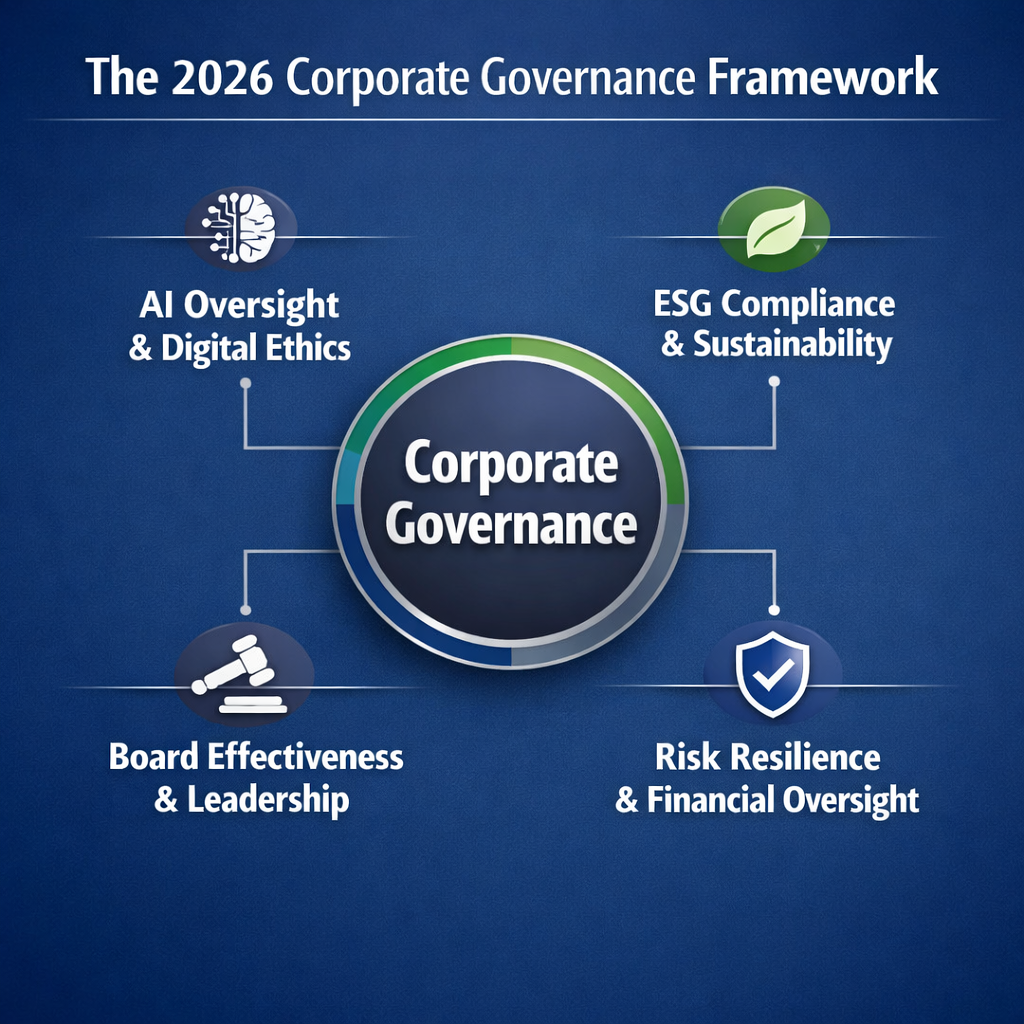
The corporate governance landscape is continually reshaped by emerging challenges and opportunities. For 2026, several key trends are defining the agenda for boards and executives, necessitating specialized knowledge and skills that corporate governance courses aim to provide . These pillars include:
AI Oversight & Digital Ethics
The rapid adoption of Artificial Intelligence (AI) across industries introduces new ethical, legal, and operational risks. Boards are increasingly tasked with overseeing AI strategies, ensuring responsible AI development and deployment, data privacy, and algorithmic fairness. Training in this area is vital for understanding the implications of AI on business models, risk management, and regulatory compliance.
ESG Compliance & Sustainability
Environmental, Social, and Governance (ESG) factors have moved from niche considerations to mainstream drivers of corporate value and investor decision-making. Companies face mounting pressure to demonstrate genuine commitment to sustainability, social responsibility, and ethical practices. Corporate governance courses now heavily emphasize ESG reporting, compliance frameworks (e.g., CSRD, SFDR, EU Taxonomy), and integrating ESG into core business strategy.
Board Effectiveness & Leadership
Effective board performance is paramount for strategic oversight and organizational resilience. This pillar focuses on board composition, diversity, succession planning, performance evaluations, and the critical role of independent directors. Leadership development within a governance context ensures that boards can provide robust challenge and guidance to management, particularly in times of uncertainty.
Risk Resilience & Financial Oversight
In an era of heightened geopolitical instability, cyber threats, and economic volatility, risk management and financial oversight remain foundational to corporate governance. Courses in this area cover advanced risk assessment methodologies, internal controls, financial reporting integrity, and crisis management. The ability to anticipate, identify, and mitigate diverse risks is crucial for protecting corporate assets and reputation.
Why Pursue a Corporate Governance Course?
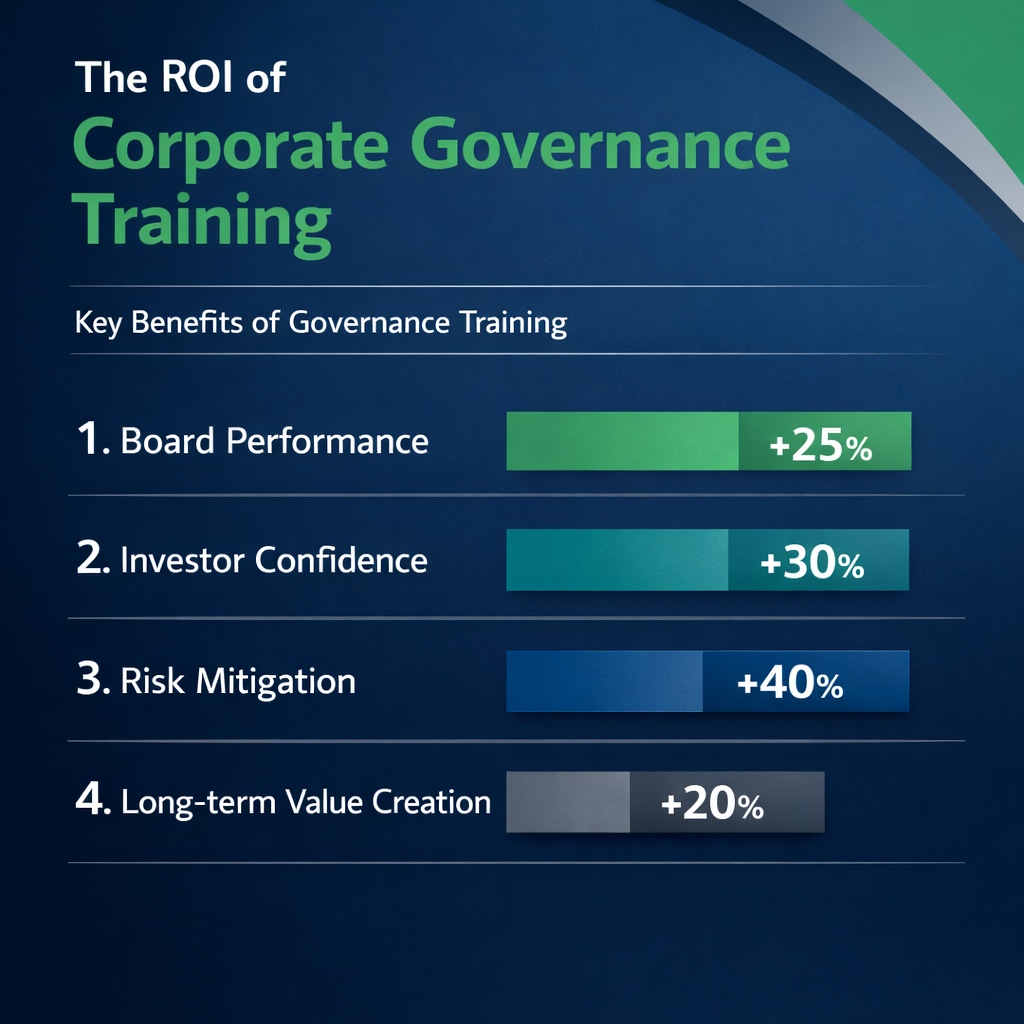
Investing in corporate governance education offers a multitude of benefits for individuals and organizations alike. These courses provide a structured pathway to understanding complex regulatory environments, ethical dilemmas, and strategic leadership challenges. Key advantages include:
- Career Advancement: Professionals with strong governance credentials are in high demand for board positions, executive roles, and compliance functions. These courses enhance leadership capabilities and open doors to new opportunities.
- Enhanced Decision-Making: A deep understanding of governance principles enables better strategic decision-making, leading to improved organizational performance and resilience.
- Compliance and Risk Mitigation: Staying abreast of evolving regulations and best practices helps organizations avoid legal penalties, reputational damage, and financial losses.
Building Stakeholder Trust: Demonstrating a commitment to good governance builds trust with investors, customers, employees, and the wider community, enhancing brand value and long-term viability.
Types of Corporate Governance Courses
Corporate governance courses cater to a wide range of professionals, from aspiring board members to seasoned executives. They vary in depth, duration, and specialization:
- Introductory Courses: Provide foundational knowledge of governance principles, legal frameworks, and board responsibilities.
- Advanced Programs: Delve into complex topics such as M&A governance, international governance standards, and specific industry regulations.
- Specialized Courses: Focus on emerging areas like ESG governance, AI ethics, cybersecurity governance, and financial governance. For instance, ForElite Training offers a comprehensive Training on Financial Governance and Ethics course, designed to master financial oversight frameworks and ethical decision-making.
- Online vs. In-person: Online courses offer flexibility and accessibility, while in-person programs often provide intensive networking opportunities and immersive learning experiences.
Choosing the Right Corporate Governance Course
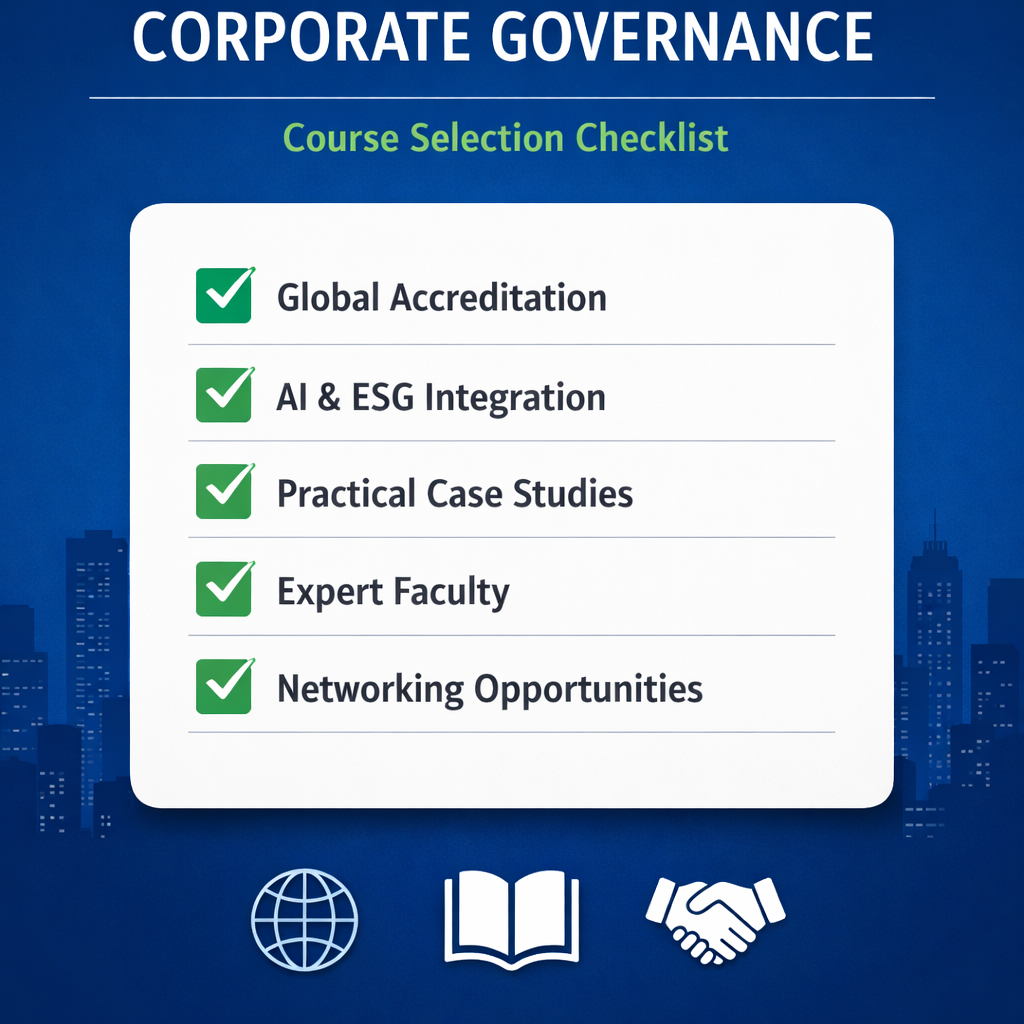
Selecting the appropriate corporate governance course is a critical decision that can significantly impact your professional development. Consider the following factors:
- Accreditation and Reputation: Look for courses offered by reputable institutions or professional bodies with recognized accreditations. This ensures the quality and relevance of the curriculum.
- Curriculum Relevance: Ensure the course content aligns with current and future governance trends, such as AI oversight, ESG integration, and digital ethics. A course like For Elite Training’s Training on Sustainability, ESG and Corporate Governance directly addresses these contemporary needs.
- Practical Application and Case Studies: The best courses incorporate real-world case studies and practical exercises to help you apply theoretical knowledge to actual business scenarios.
- Faculty Expertise: Learn from instructors who are experienced practitioners, academics, and thought leaders in the field of corporate governance.
- Networking Opportunities: Programs that facilitate interaction with peers and industry leaders can be invaluable for professional growth and collaboration.
For Elite Training’s Offerings
For Elite Training provides a range of specialized courses designed to equip professionals with cutting-edge corporate governance expertise. Their offerings are particularly relevant for navigating the complexities of the 2026 governance landscape:
- Training on Corporate Governance and Board Effectiveness: This course is ideal for directors and senior executives seeking to enhance board performance, strategic decision-making, and accountability. It covers best practices in board operations and leadership.
- Training on Sustainability, ESG and Corporate Governance: As ESG becomes central to corporate strategy, this program offers deep insights into compliance frameworks, risk management, and value creation through sustainable practices.
- Training on Ethics, Governance and Compliance in Leadership: This course focuses on fostering integrity and ethical decision-making within leadership roles, crucial for maintaining transparency and trust in any organization.
- Training on Financial Governance and Ethics: Essential for financial professionals and board members, this training strengthens oversight frameworks, prevents fraud, and ensures compliance in financial operations.
Frequently Asked Questions (FAQs)
Who should take a corporate governance course?
Corporate governance courses are designed for a broad range of professionals, including current and aspiring board directors, C-suite executives, legal and compliance officers, company secretaries, and senior managers who want to understand the strategic and ethical dimensions of organizational leadership.
How long do these courses typically last?
The duration varies significantly depending on the program’s depth. Introductory workshops may last 2-3 days, while comprehensive diploma or certification programs can span several weeks or months, often delivered in modular formats to accommodate working professionals.
Are online corporate governance courses as effective as in-person ones?
Yes, many top-tier institutions now offer highly interactive online programs that combine live sessions, peer discussion forums, and digital case studies. While in-person courses offer more direct networking, online options provide flexibility without compromising on the quality of the curriculum.
What is the most important trend in corporate governance for 2026?
While several factors are at play, the integration of AI Oversight and ESG Compliance are the two most dominant trends. Boards are now expected to have a “digital-first” mindset while ensuring the organization meets rigorous global sustainability standards.
Conclusion
In an era defined by rapid change and increasing scrutiny, continuous learning in corporate governance is indispensable for professionals aiming to lead ethically and effectively. Corporate governance courses provide the necessary tools to understand evolving regulations, manage complex risks, and drive sustainable growth. By choosing programs that align with current trends and offer practical insights, individuals can significantly enhance their career prospects and contribute to the long-term success and integrity of their organizations. Explore the diverse offerings available and take the next step in mastering the art and science of corporate governance.
References
[1] PwC. (n.d.). 2026 corporate governance trends: five priorities for directors.
[2] Russell Reynolds Associates. (n.d.). Global Corporate Governance Trends for 2026.
[3] Harvard Law School Forum on Corporate Governance. (2026, March 23). Global Corporate Governance Trends for 2026.