


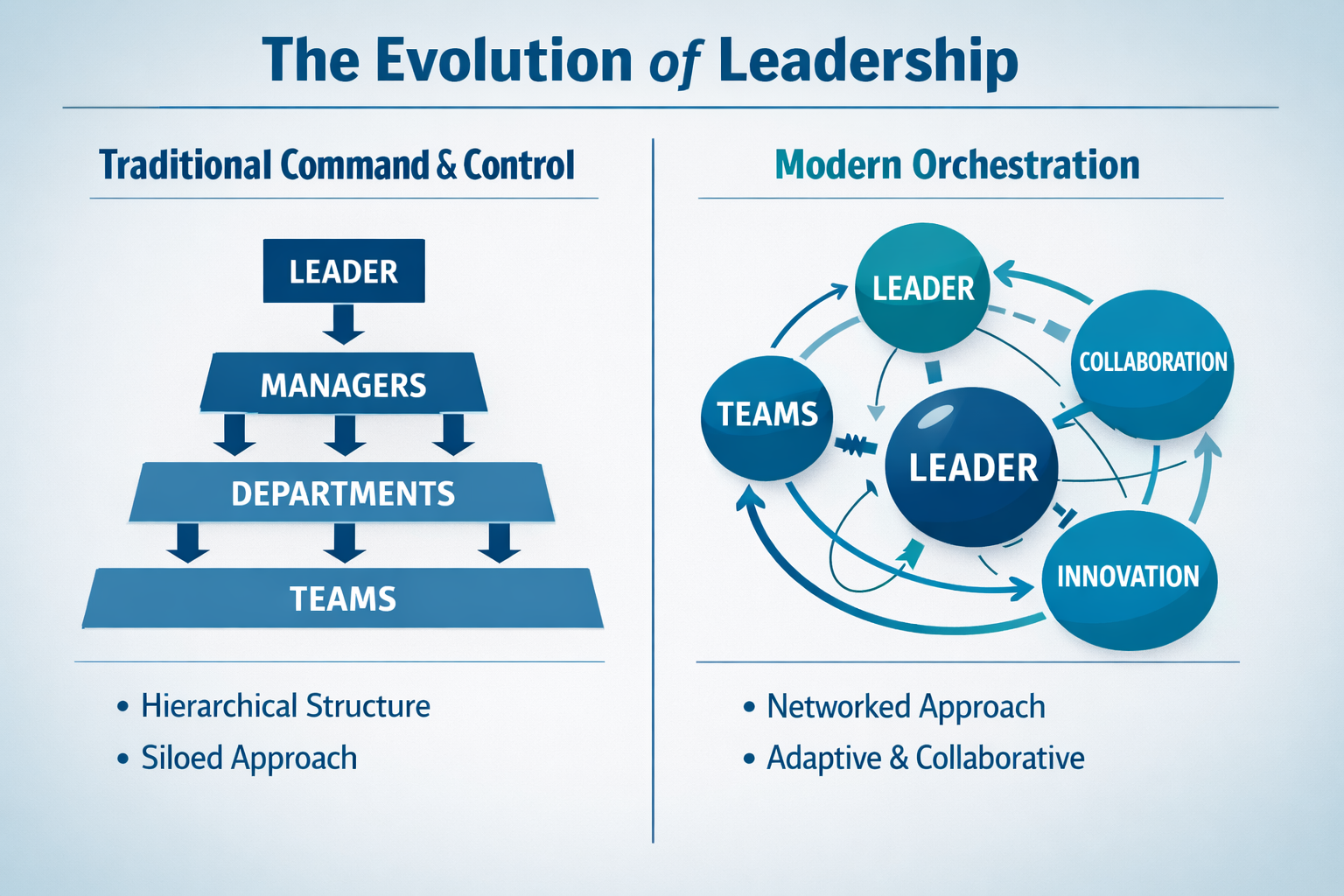
In today’s rapidly evolving business landscape, the traditional paradigms of leadership are no longer sufficient. Organizations face unprecedented challenges, from technological disruption to shifting market dynamics and evolving workforce expectations. In this environment, senior leaders are not merely managers; they are architects of transformation, guiding their enterprises through periods of profound change. This article delves into the distinctive mindset and critical attributes that empower these visionary leaders to not just navigate, but actively drive, real and lasting change within their organizations.
The New Mandate for Senior Leadership
The Psychology of Transformation: Beyond the C-Suite Persona
Strategic Agility: Balancing Long-Term Vision with Real-Time Pivot
Human-Centered Change: Empathy as a Performance Driver

Constructive Conflict and Stakeholder Alignment
Conclusion: Leading the Future of Work
Frequently Asked Questions (FAQs)
What is the primary difference between traditional management and the leadership required for real change?
Traditional management focuses on maintaining stability, rigid hierarchies, and optimizing existing processes. In contrast, senior leaders who drive real change focus on inspiring a collective vision, fostering innovation, and fundamentally rethinking strategies and cultures to guide their organizations through systemic transformation.
What is “strategic agility” and why is it important for senior leaders?
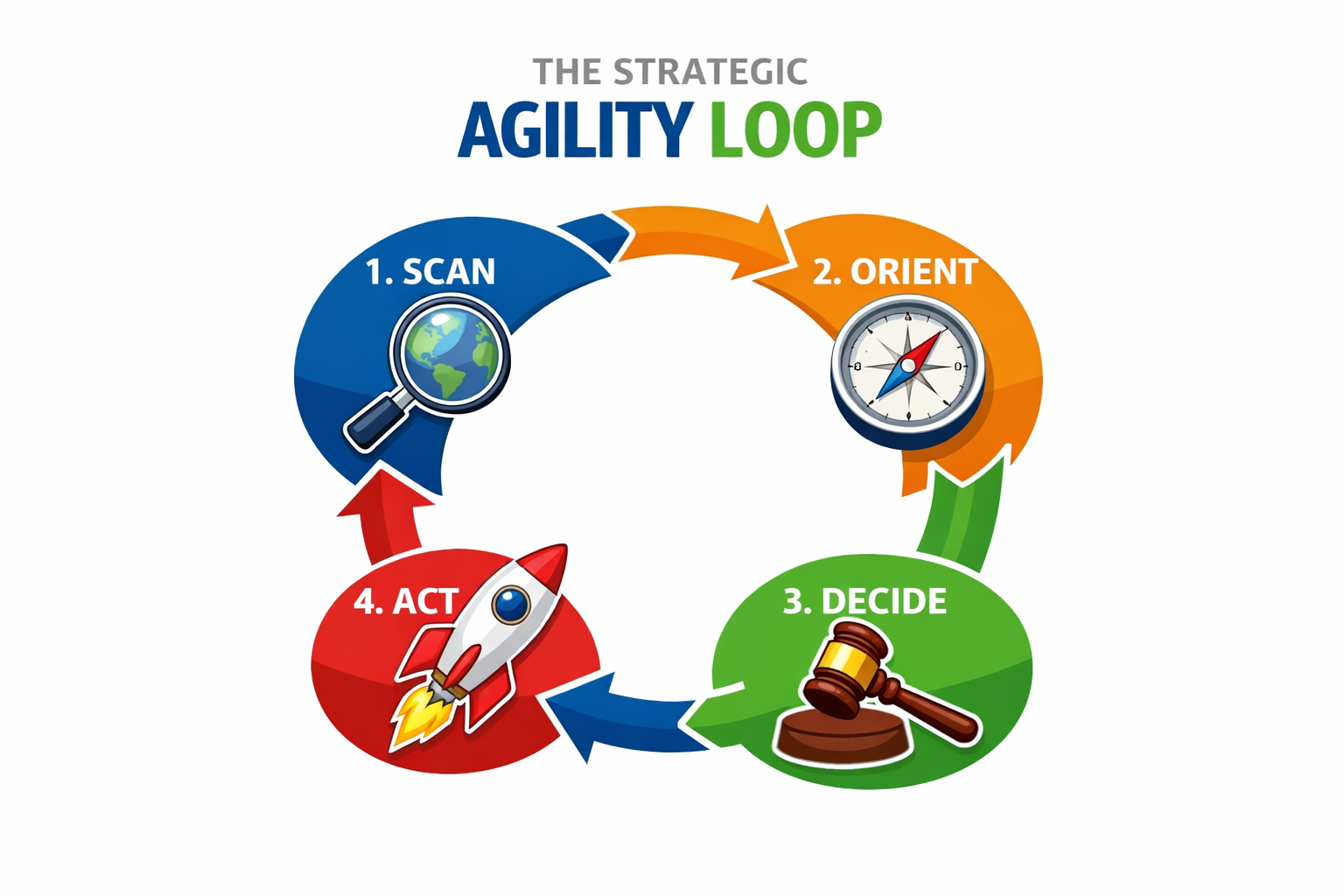
Strategic agility is the ability to balance a clear, unwavering long-term vision with the capacity to pivot rapidly based on real-time information. It is important because it allows leaders to anticipate change rather than just react to it, using Decision Intelligence to make timely choices in uncertain conditions.
How do transformational leaders handle conflict within their organizations?
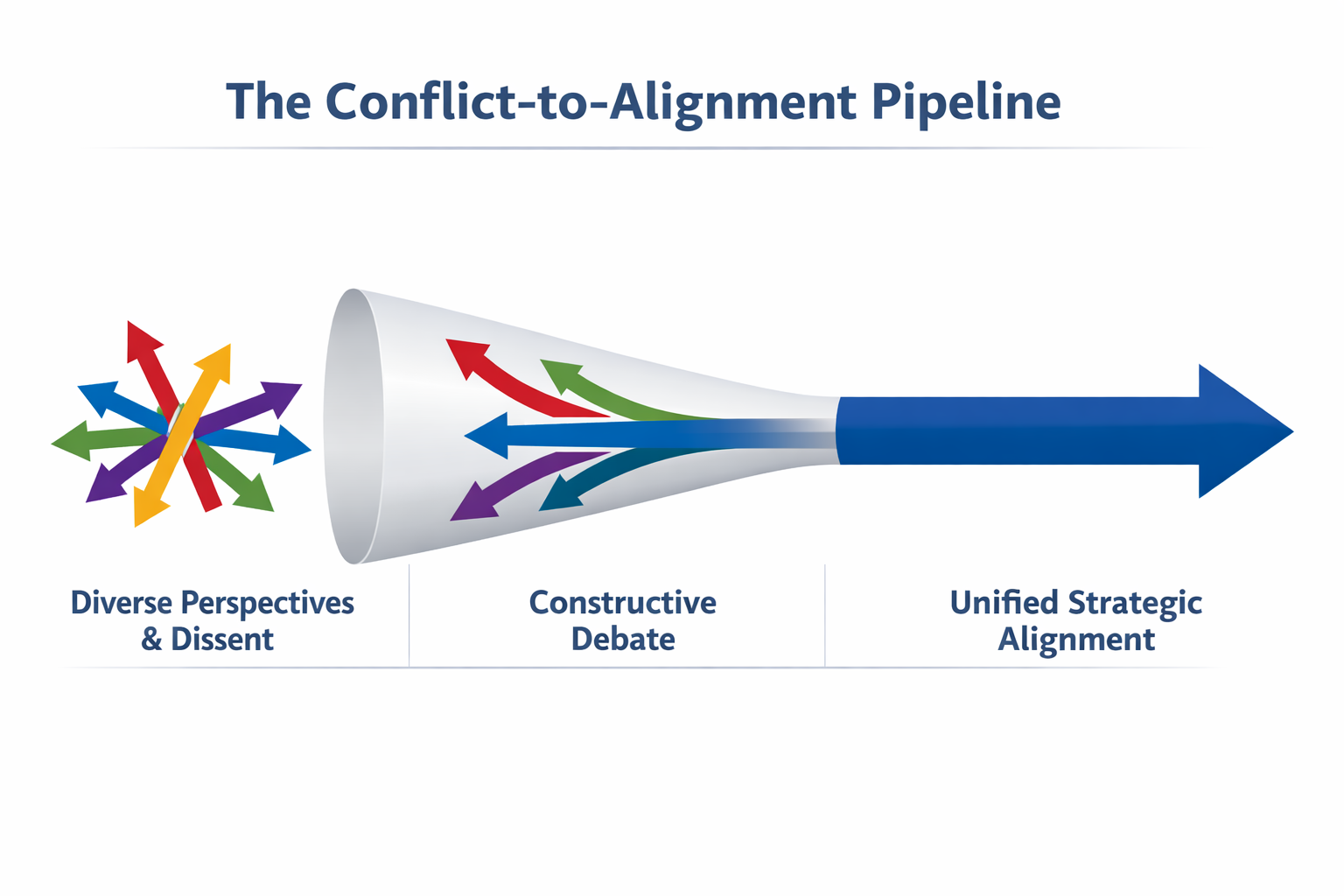
Instead of avoiding conflict, transformational leaders leverage it constructively. They cultivate a culture of healthy debate where diverse perspectives are welcomed. They view disagreements as catalysts for better ideas and focus on seeking alignment through open dialogue rather than suppressing opposing views.
Why is empathy considered a performance driver in change management?
Empathy is a performance driver because transformation is fundamentally about people. Leaders who practice deep empathy build trust, understand motivations, and create psychological safety. This environment allows team members to voice concerns, admit mistakes, and innovate without fear, which reduces resistance and ensures smoother transitions.
What is the “perception vs. reality” gap in leadership?
The “perception vs. reality” gap refers to the disconnect where senior leaders may overestimate their team’s understanding or buy-in regarding change initiatives. Bridging this gap is critical for transformational leaders, as it ensures that the team is truly aligned with the vision rather than simply assuming alignment exists.
References

[…] organizations are investing in executive coaching and transformational leadership programs such as Beyond Management: Inside the Mind of Senior Leaders Who Drive Real Change to help professionals become more adaptive and resilient leaders in uncertain […]