

I. Introduction: The Pivotal Role of Middle Management in 2026
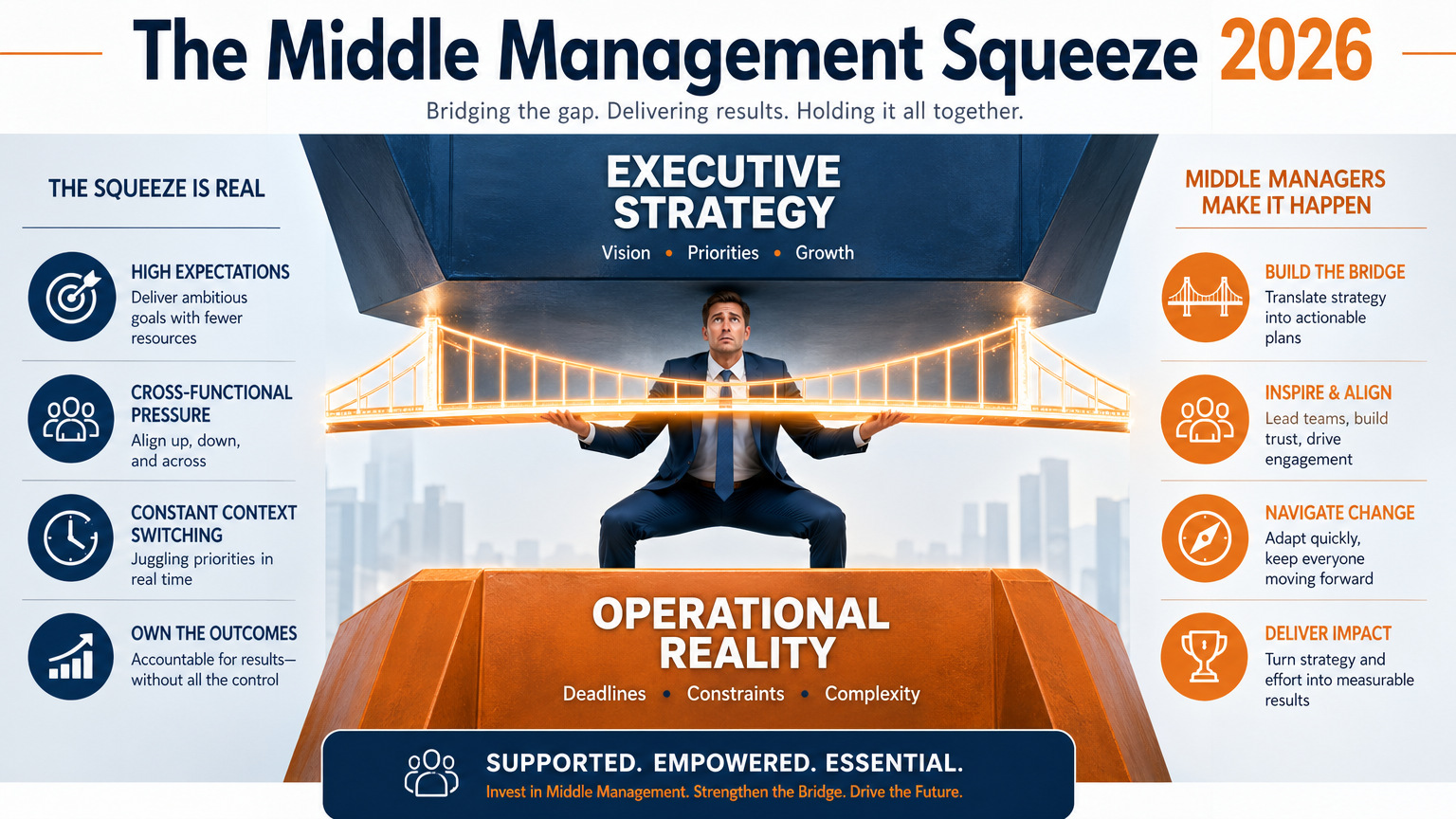
In the dynamic and often turbulent landscape of modern business, middle managers find themselves at a critical juncture. Often referred to as the “middle management squeeze” , these pivotal individuals are tasked with translating executive vision into actionable strategies, fostering team cohesion, and driving day-to-day operations. Yet, despite their indispensable role, many organizations inadvertently create environments where middle managers feel disempowered, leading to bottlenecks, decreased morale, and even talent attrition. As we navigate 2026 and beyond, the imperative to empower middle managers to lead with confidence has never been more pronounced. A comprehensive approach that invests in their development, involves them strategically, and grants them autonomy is not merely beneficial, it is essential for sustained organizational success and a resilient leadership pipeline.
II. Understanding the Modern Middle Manager: More Than Just a Link
The role of a middle manager has evolved significantly beyond that of a mere conduit between senior leadership and frontline employees. Today, they are expected to be multifaceted leaders: change agents, culture builders, innovators, and performance drivers. They are on the ground, understanding the nuances of team dynamics and operational challenges, making them uniquely positioned to identify opportunities and mitigate risks. However, this expanded role comes with its own set of challenges. Middle managers frequently grapple with resource constraints, competing priorities from various stakeholders, and the relentless pressure of digital transformation and emerging technologies like AI . When these challenges are not met with adequate support and empowerment, the cost to an organization can be substantial, manifesting as disengagement, reduced productivity, and the loss of valuable talent.
III. Pillars of Empowerment: Strategies for Building Confident Leaders
Empowering middle managers requires a deliberate and structured approach, built upon several key pillars that address both their individual development and their integration into the broader organizational strategy.
A. Pillar 1: Building Leadership Capacity, Not Just Task Efficiency
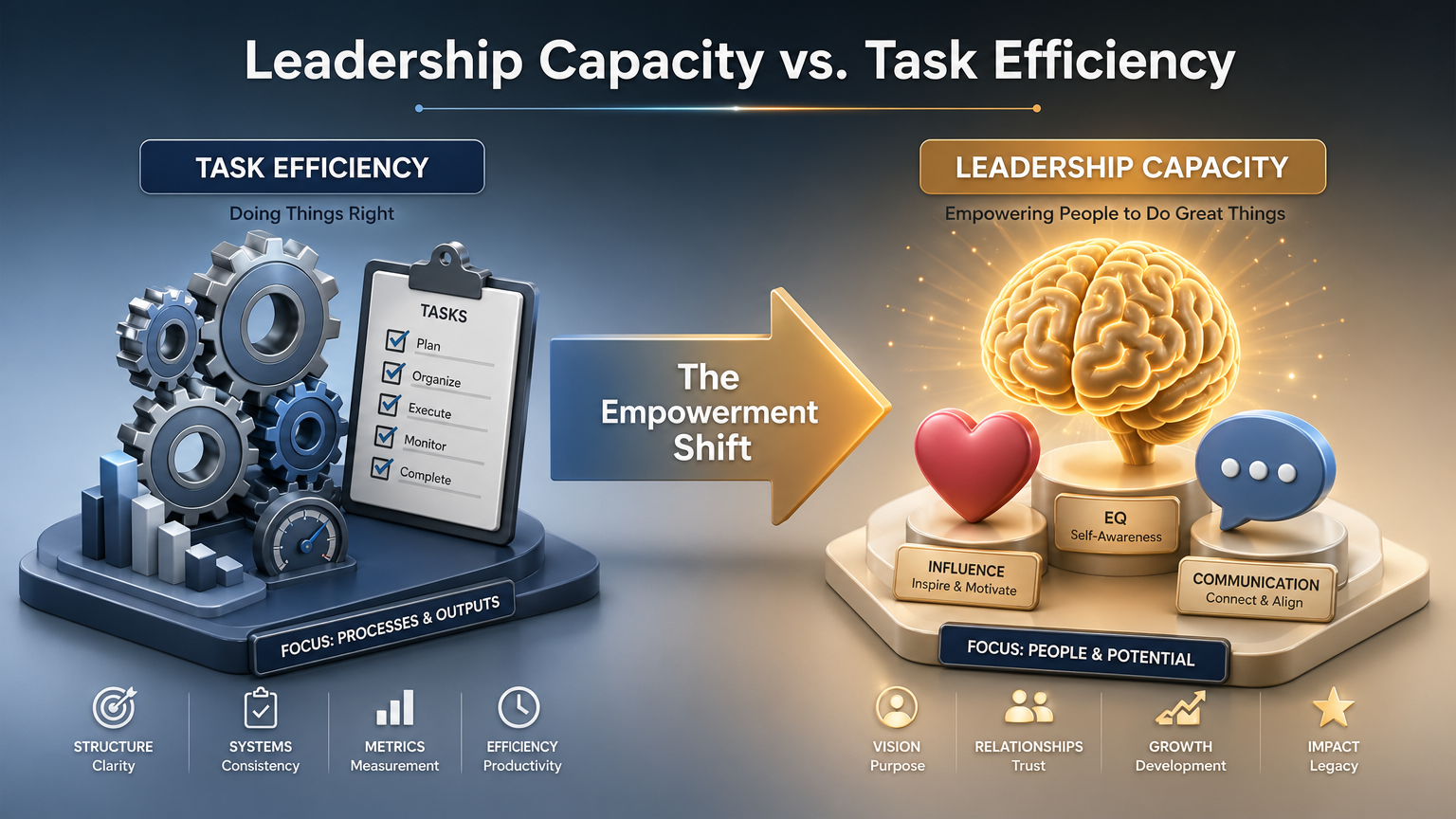
Many middle managers are promoted due to their exceptional technical skills or task proficiency. However, managing tasks and leading people demand distinct skill sets. True empowerment begins with investing in their leadership capabilities. This includes targeted development programs focusing on emotional intelligence, which enables them to understand and manage their own emotions and those of their teams, fostering healthier work environments. Training in influence and negotiation skills equips them to navigate complex organizational politics and advocate effectively for their teams and initiatives. Furthermore, providing guidance on how to conduct difficult conversations with empathy and effectiveness is crucial for conflict resolution and performance management. Mentorship and coaching initiatives offer personalized support, allowing middle managers to learn from experienced leaders and refine their leadership styles. Continuous learning and skill development are paramount to keep pace with the rapidly changing business environment. Programs like Leadership and Management Essentials can provide a strong foundation for ongoing growth. For new managers and supervisors, foundational training in these areas is particularly vital to ensure a strong start in their leadership journey. For new managers and supervisors, foundational training in these areas is particularly vital to ensure a strong start in their leadership journey. ForElite Training offers a comprehensive Training on Leadership and Management Skills for New Managers and Supervisors course, which provides essential tools for effective team leadership, performance management, communication, and productivity strategies.
B. Pillar 2: Strategic Inclusion: From Execution to Innovation
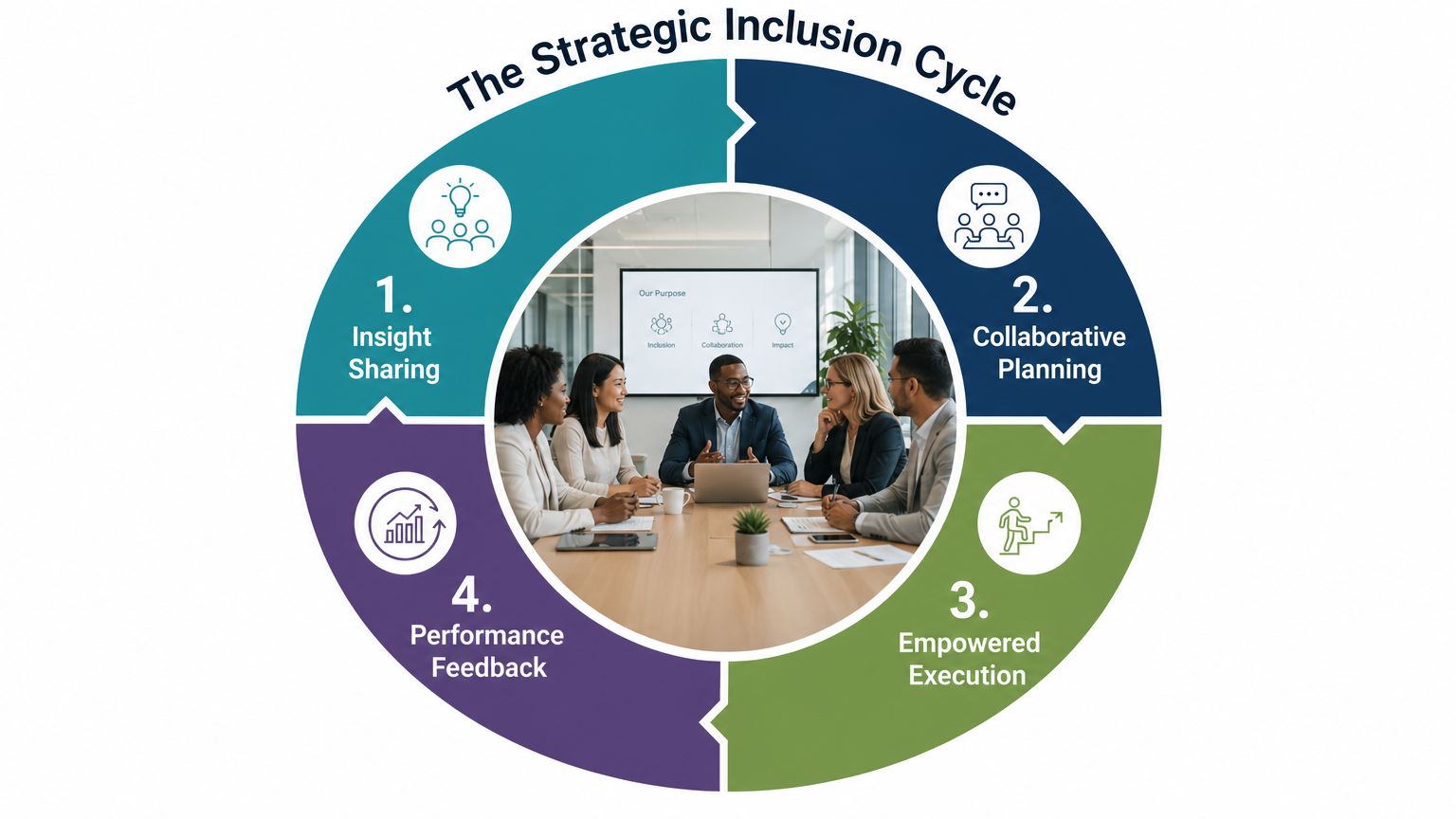
Historically, strategy has often been formulated at the top and cascaded downwards, leaving middle managers primarily responsible for execution. This approach not only disempowers them but also deprives senior leadership of valuable insights from those closest to the operational realities. Empowering middle managers means involving them in strategic planning and decision-making processes early on. When they contribute to shaping the organizational direction, they develop a stronger sense of ownership and are more invested in driving its success. Creating platforms for their insights and feedback whether through regular forums, cross-functional committees, or direct channels to senior leadership ensures that their perspectives are heard and valued. This strategic inclusion fosters alignment, boosts morale, and often leads to more innovative and practical solutions.
C. Pillar 3: Granting Autonomy and Fostering Decision-Making
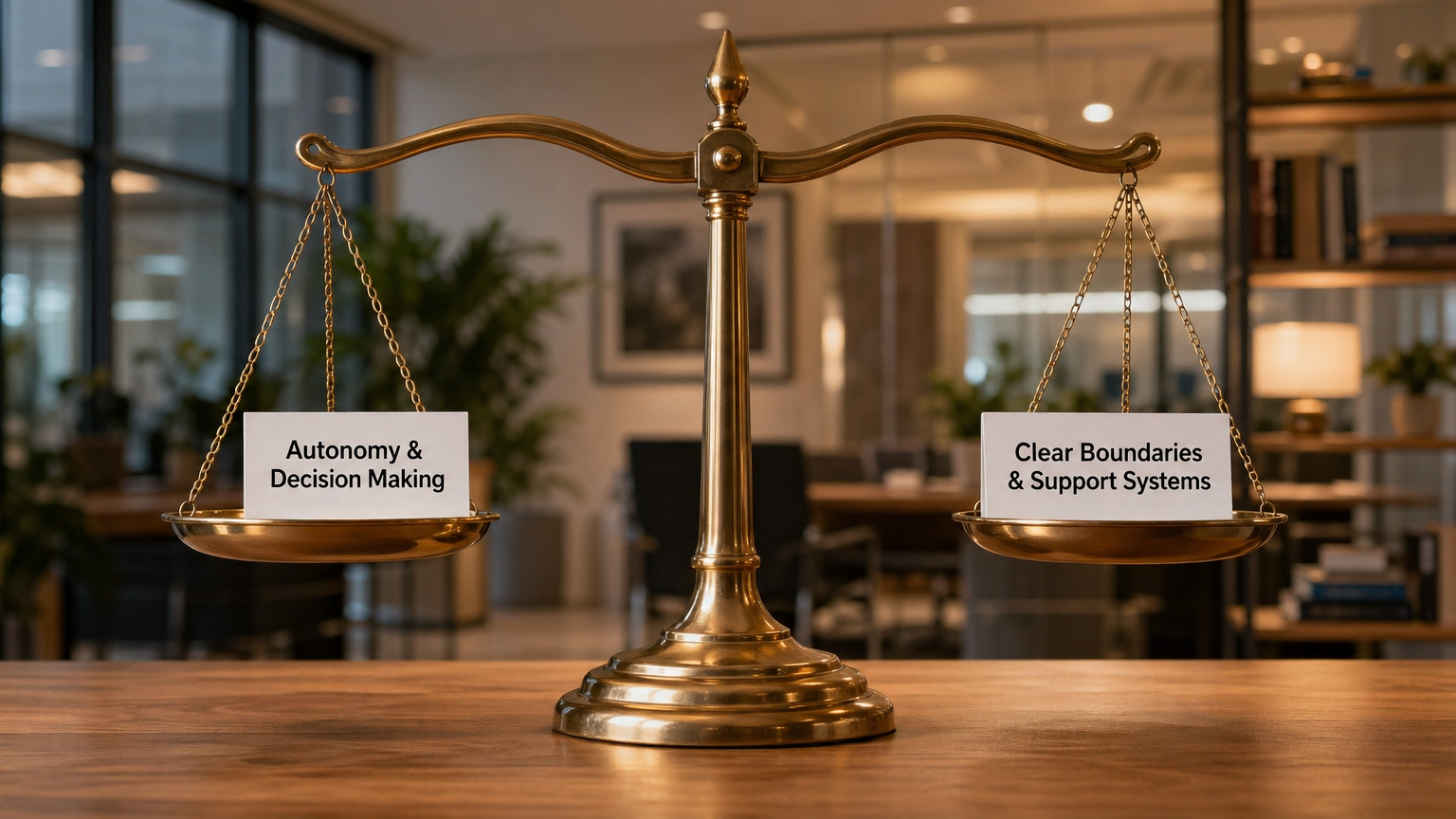
Empowerment is fundamentally about trust and the freedom to act. Organizations must grant middle managers the autonomy to make decisions within their spheres of influence and to take calculated risks. This doesn’t imply a lack of oversight but rather a shift from micromanagement to providing clear boundaries, resources, and support systems. When middle managers are given room to lead, they develop confidence in their judgment and problem-solving abilities. Equally important is fostering an environment where learning from failures is encouraged rather than punished. Viewing missteps as growth opportunities reinforces a culture of psychological safety, allowing managers to experiment and innovate without fear of severe repercussions.
D. Pillar 4: Strengthening the Feedback Loop and Recognition
A robust feedback culture is a cornerstone of empowerment. Implementing 360-degree feedback mechanisms allows middle managers to receive constructive input from their superiors, peers, and direct reports, providing a holistic view of their performance and areas for development. Beyond formal reviews, fostering a continuous feedback loop, where regular, informal feedback is exchanged, reinforces trust and facilitates ongoing growth. Recognition, too, plays a crucial role. It extends beyond monetary rewards to include public acknowledgment of their contributions, personal thank-yous, and opportunities for greater responsibility. Critically, recognition should focus not just on what they achieve, but how they achieve it, celebrating their growth, resilience, and leadership qualities. This ensures that middle managers feel seen, valued, and motivated to continue developing.
E. Pillar 5: Upskilling for the AI-Driven and Remote Workplace (Modern Context)
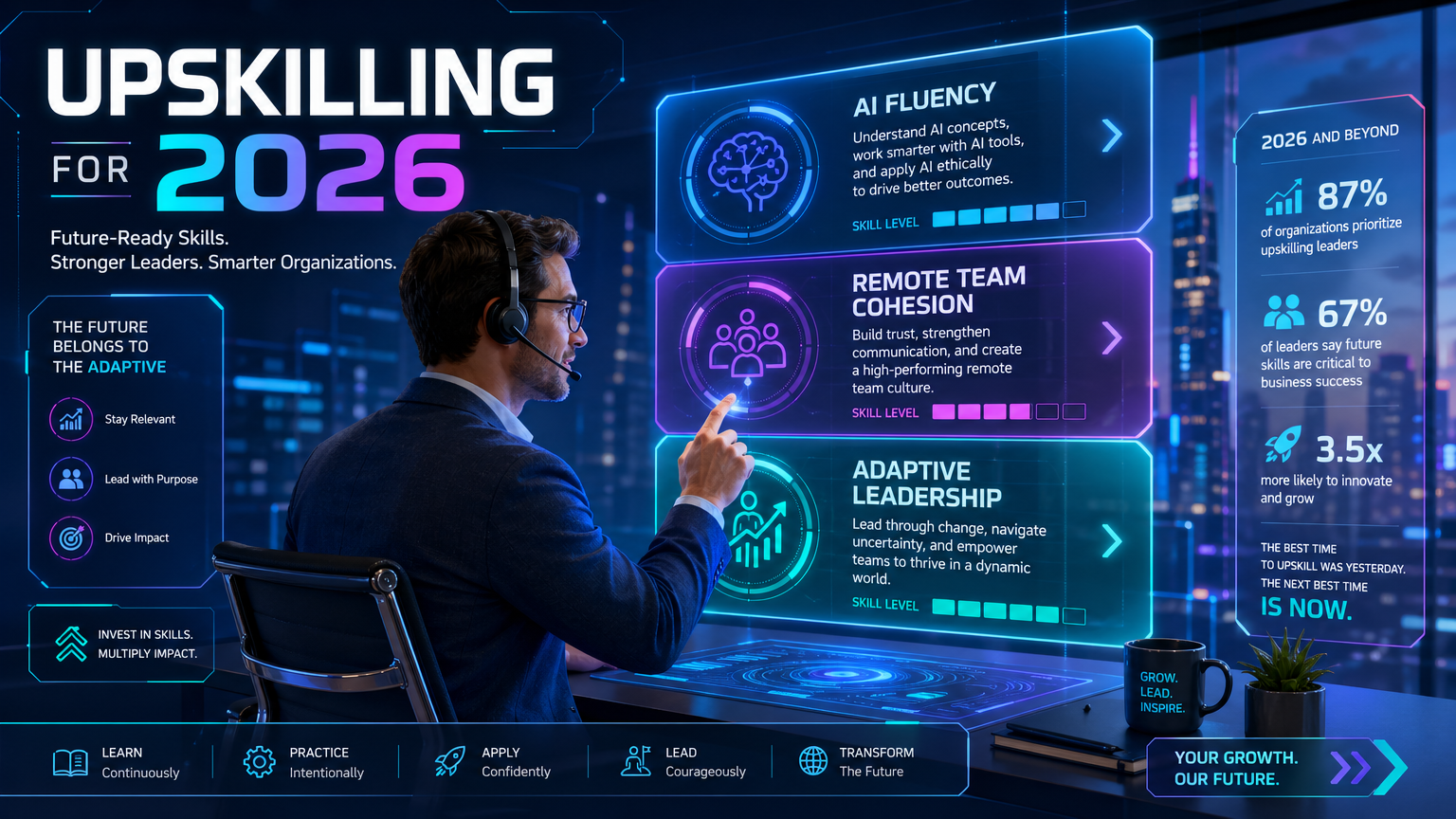
The technological advancements of 2026, particularly in AI and remote work capabilities, necessitate a new set of skills for middle managers. Digital leadership is no longer optional; it’s a core competency. Training in AI fluency helps managers understand how to leverage AI tools to enhance productivity, automate routine tasks, and inform decision-making within their teams . Furthermore, with the prevalence of remote and hybrid work models, developing skills for managing distributed teams, including virtual communication, fostering remote engagement, and maintaining team cohesion across geographical boundaries, is essential. Adaptability and change management skills are critical for navigating the constant evolution of technology and organizational structures. ForElite Training offers a relevant course, Training on Adaptability and Change Management Skills, which can equip middle managers with the tools to lead their teams through periods of significant change and uncertainty. Another valuable resource is the Training on Middle Managers Leadership and Management Program which specifically empowers middle managers with leadership, strategic thinking, and management skills to drive team performance, change, and organizational success.
IV. Implementing Empowerment: A Practical Roadmap
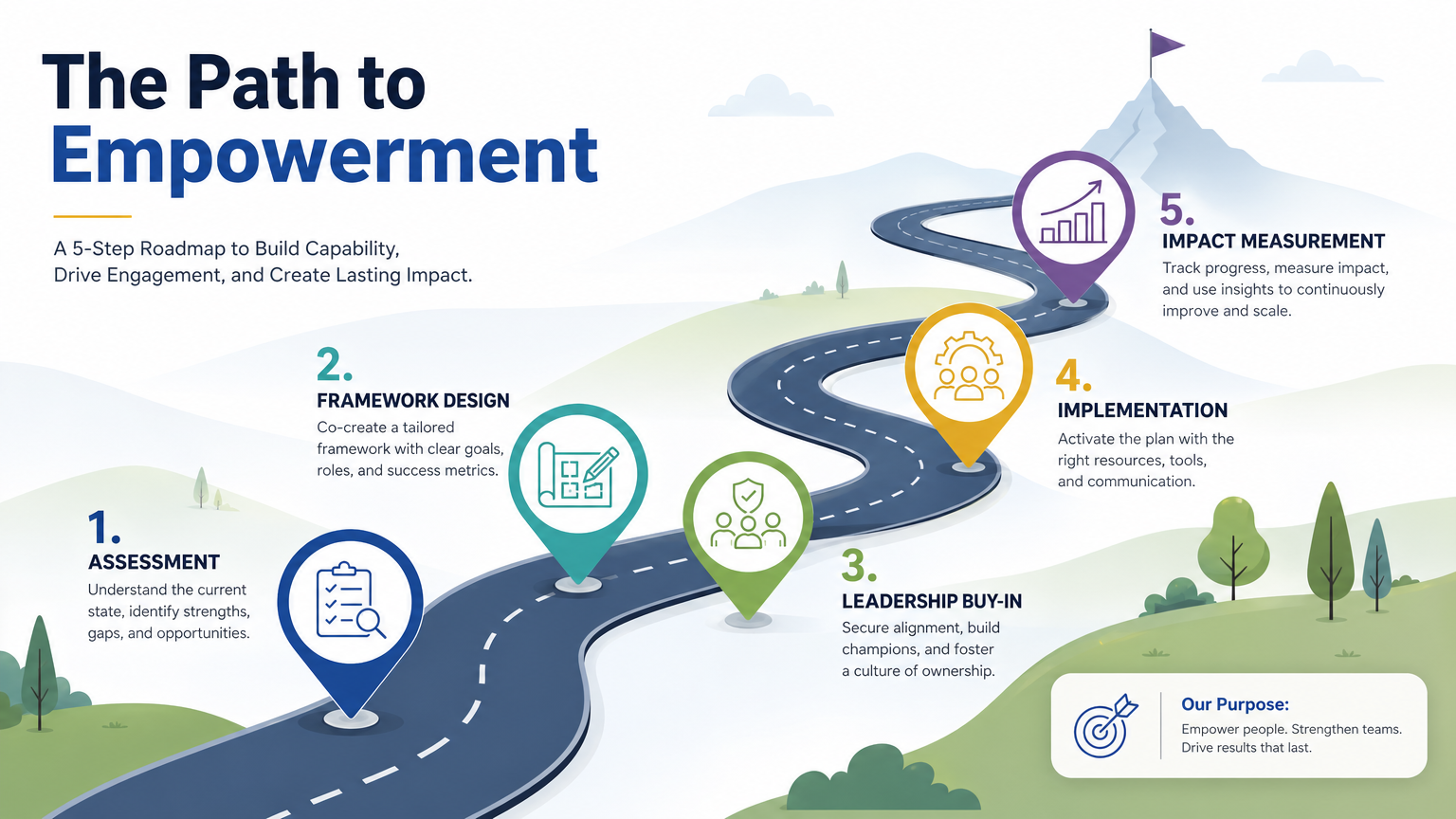
To effectively empower middle managers, organizations should follow a structured roadmap:
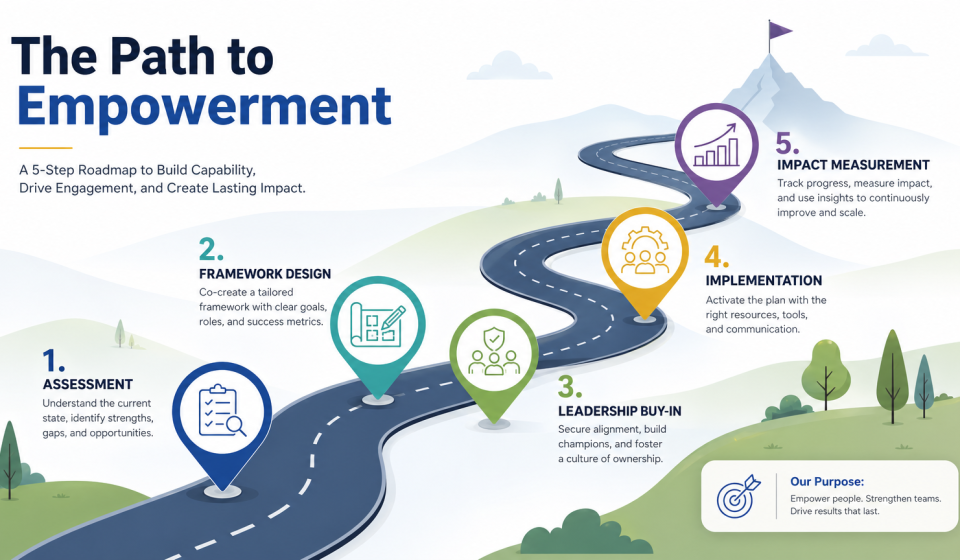
1.Assess Current State: Begin by evaluating existing leadership development programs, communication channels, and decision-making processes to identify current gaps and areas for improvement.
2.Develop a Tailored Framework: Based on the assessment, create a customized empowerment framework that aligns with the organization’s strategic goals and the specific needs of its middle managers.
3.Secure Senior Leadership Buy-in: Ensure that senior leadership champions the initiative, communicates its importance, and actively participates in fostering an empowering culture.
4.Implement and Iterate: Roll out programs and policy changes, gathering feedback continuously to refine and improve the approach.
5.Measure Impact: Establish clear metrics to track the effectiveness of empowerment initiatives, such as manager retention rates, employee engagement scores, project success rates, and innovation metrics.
V. Case Studies/Examples
Numerous organizations have demonstrated the tangible benefits of empowering their middle managers. For instance, a global tech company implemented a program that involved middle managers in quarterly strategic reviews, leading to a 15% increase in project success rates and a 10% reduction in middle management turnover within two years. Another manufacturing firm, after investing in comprehensive leadership coaching for its middle managers, reported a significant boost in employee engagement scores and a noticeable increase in cross-departmental collaboration. These examples underscore that empowering middle managers is not just a theoretical concept but a practical strategy with quantifiable positive outcomes.
VI. Conclusion: Future-Proofing Your Leadership Pipeline
Middle managers are the backbone of any thriving organization, serving as the critical link between strategic intent and operational reality. Their empowerment is not a luxury but a strategic imperative that directly impacts organizational agility, innovation, and talent retention. By investing in their leadership capacity, involving them in strategic decisions, granting them autonomy, fostering robust feedback mechanisms, and upskilling them for the challenges of 2026 and beyond, organizations can unlock the full potential of this vital leadership tier. Empowered middle managers are confident leaders who drive performance, cultivate a positive culture, and ultimately future-proof your leadership pipeline for sustained success. Organizations that recognize and act on this will undoubtedly gain a significant competitive advantage.
VII. Frequently Asked Questions (FAQs)
Why is empowering middle managers crucial in today’s business environment?
Empowering middle managers is crucial because they are the primary link between strategic vision and operational execution. In 2026, with rapid technological advancements and evolving work models, they are essential for driving innovation, maintaining employee engagement, and ensuring organizational agility. Disempowered middle managers can lead to bottlenecks, decreased productivity, and higher talent turnover.
What are the key pillars of empowering middle managers?
The key pillars include building leadership capacity (beyond just task efficiency), involving them in strategic planning, granting them autonomy for decision-making, strengthening feedback loops and recognition, and upskilling them for modern challenges like AI and remote work.
How can organizations measure the impact of middle manager empowerment initiatives?
Organizations can measure impact through various metrics, including manager retention rates, employee engagement scores, project success rates, innovation metrics, and overall team productivity. Regular surveys, performance reviews, and 360-degree feedback can also provide valuable insights.
What specific training areas are most beneficial for middle managers in 2026?
In 2026, beneficial training areas include emotional intelligence, influence and negotiation skills, conflict resolution, digital leadership (especially AI fluency), managing remote and hybrid teams, and adaptability and change management skills. These equip them to navigate complex modern workplaces effectively.
How does strategic inclusion benefit middle managers and the organization?
Strategic inclusion benefits middle managers by fostering a sense of ownership, increasing their investment in organizational goals, and boosting morale. For the organization, it provides valuable on-the-ground insights, leads to more innovative and practical solutions, and ensures better alignment between strategy and execution.
VIII. References
[2] Li, Z. (2024 ). The impact of middle managers’ digital leadership on … – PMC.
[4] NetNerd AI. (2025 ). Empowering Middle Managers in Your AI Journey.


[…] their leadership capabilities and navigate the complexities of management, exploring resources like Training on Leadership and Management Skills for New Managers and Supervisors can provide invaluable insights and practical tools . Embrace the challenge, commit to continuous […]
[…] These leaders possess an uncanny ability to peer into the future, anticipating trends and envisioning possibilities that others might miss. Yet, their vision is not rigid. They couple this foresight with an unparalleled capacity for agile execution, making informed decisions in the present while remaining flexible enough to pivot as new information emerges. This balance allows them to lead with both strategic direction and tactical responsiveness. For leaders looking to enhance their team’s adaptability and drive, consider exploring resources on Empowering Middle Managers to Lead with Confidence. […]