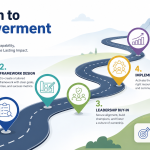


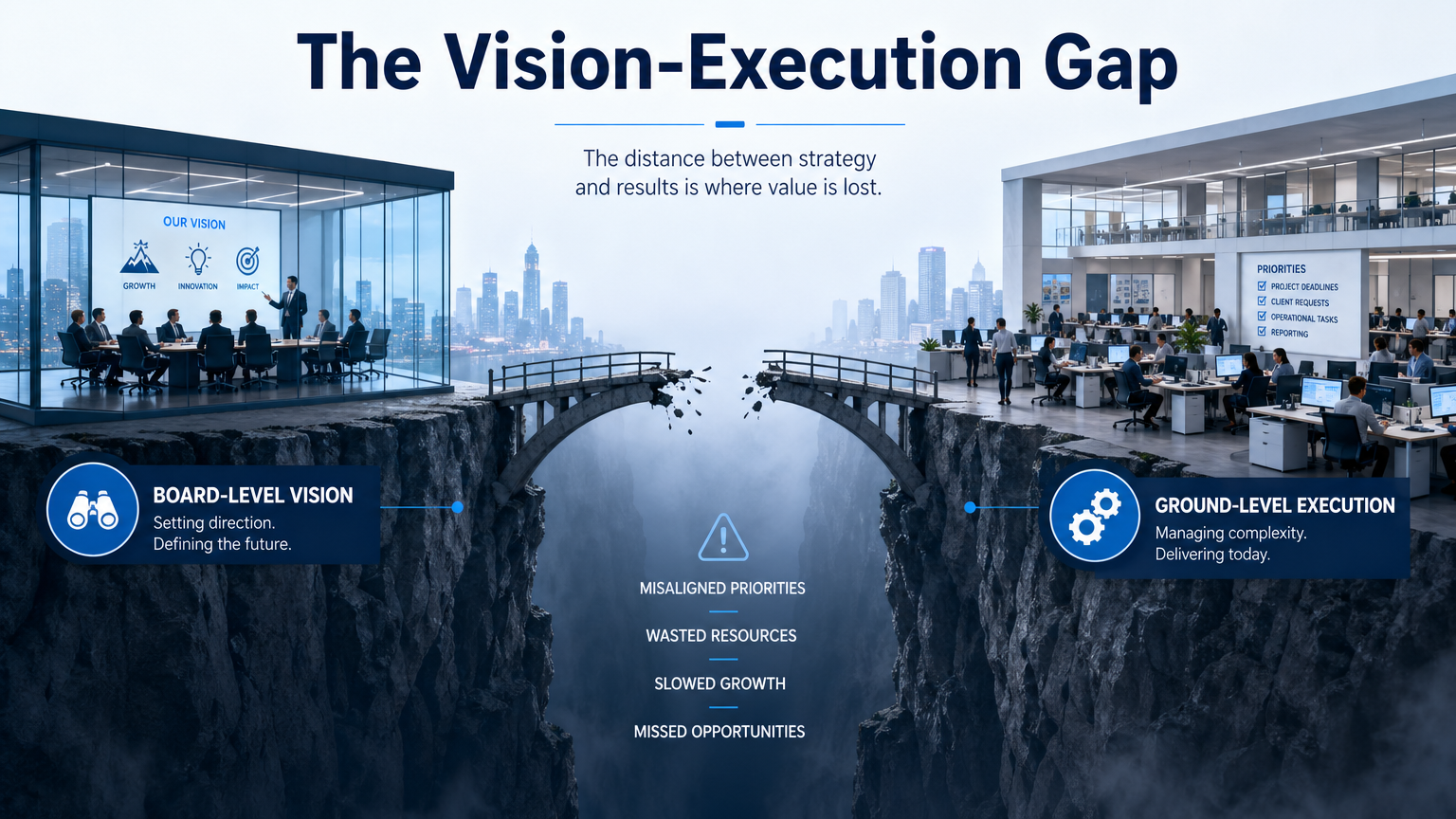
In the dynamic landscape of modern business, organizations often grapple with a fundamental challenge: translating grand strategic visions crafted in the boardroom into clear, actionable directives for those on the front lines. A compelling vision at the top, however inspiring, risks becoming an empty platitude if it fails to resonate with and guide the daily efforts of every team member. This disconnect, often referred to as the vision-execution gap, can lead to significant inefficiencies, missed opportunities, and a disengaged workforce. Effective leadership is therefore paramount in bridging this divide, transforming abstract strategic intent into tangible ground-level clarity that fosters alignment and propels organizational success.
The Peril of Abstract Vision: Why Clarity is Non-Negotiable
When a strategic vision remains abstract and untranslated, it creates a breeding ground for confusion and misdirection. Employees, from senior managers to support staff, may struggle to understand how their roles contribute to the overarching organizational goals. This lack of clarity can manifest as hesitation in decision-making, duplicated efforts, and a general sense of aimlessness. The consequences are far-reaching: valuable resources are wasted on misaligned initiatives, critical opportunities are overlooked due to a lack of clear direction, and employee frustration mounts as their efforts seem disconnected from meaningful outcomes. Ultimately, a vision that is not clearly articulated and understood at every level is a vision destined to fail, undermining the very purpose it was meant to serve.
Translating Strategy into Actionable Language
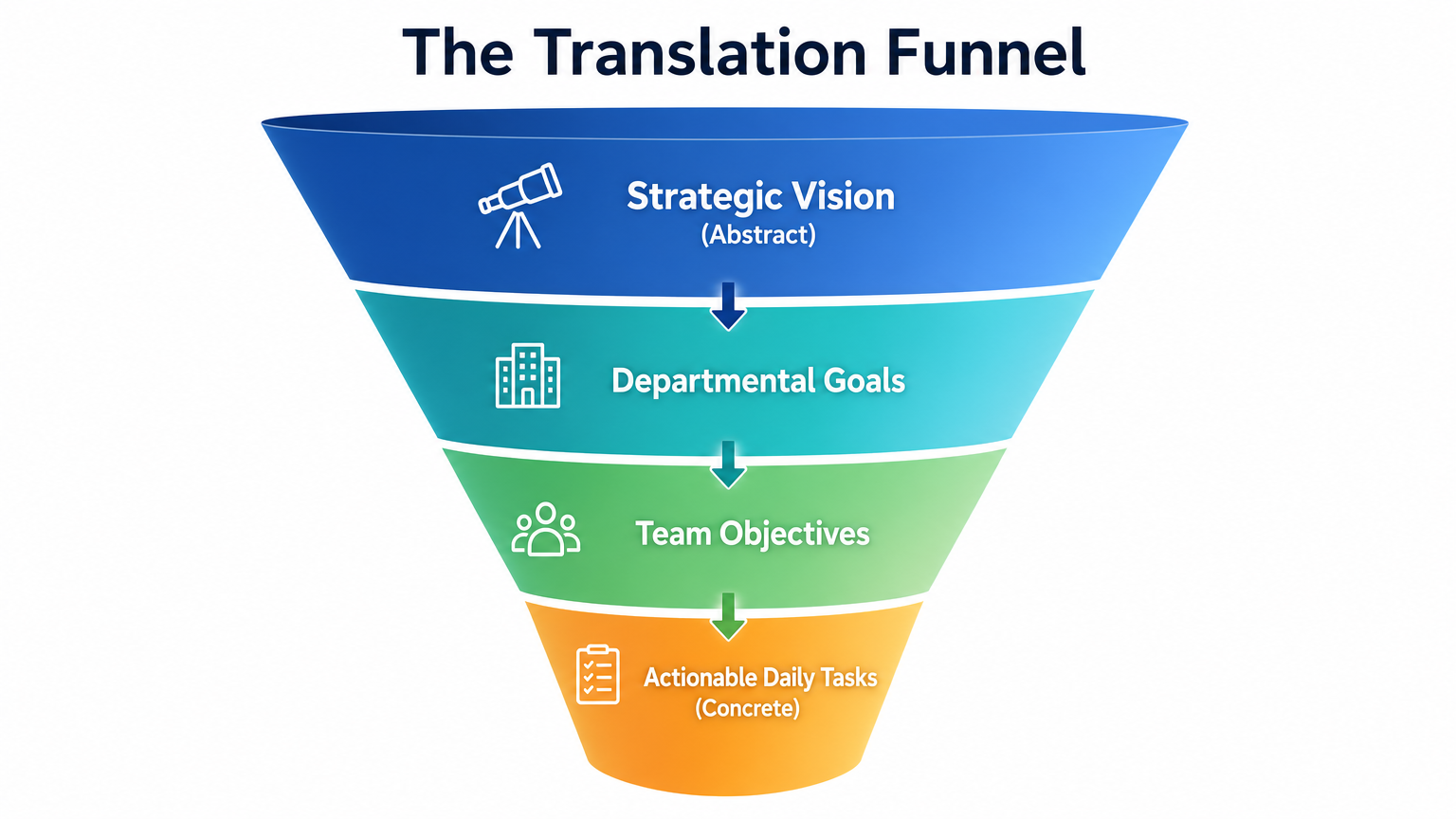
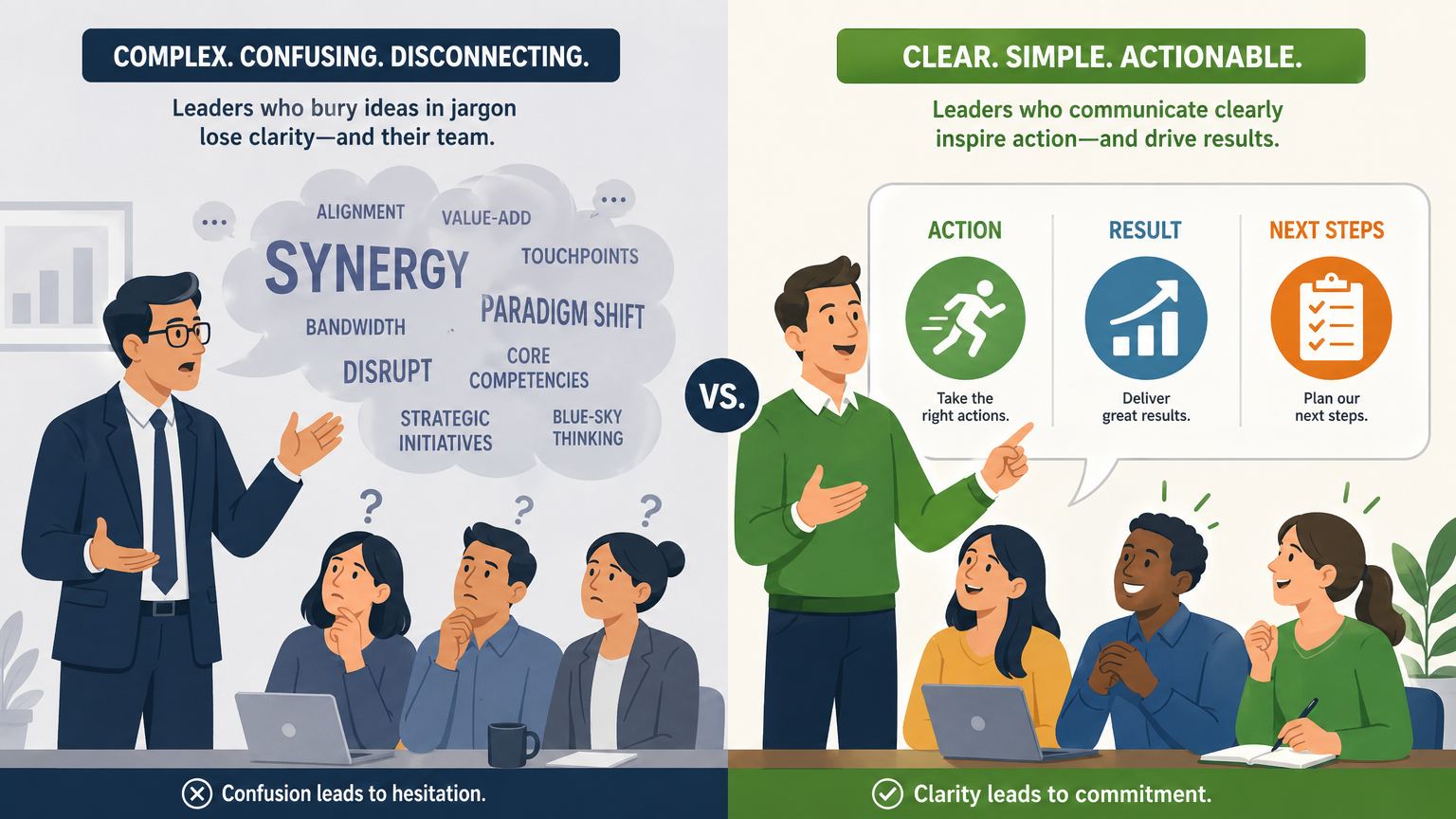
The key to overcoming the vision-execution gap lies in the art of translation. Leaders must possess the ability to distill complex strategic concepts into language that is not only understandable but also inspiring and actionable for all employees. This involves simplifying intricate ideas without sacrificing their core meaning, ensuring that the essence of the vision remains intact while its practical implications become crystal clear. Instead of relying on corporate jargon and high-level frameworks that can alienate the workforce, effective leaders employ stories, examples, and relatable scenarios to illustrate the vision. They connect the ‘why’ behind the strategy with the ‘what’ and ‘how’ of daily tasks, making the strategic intent relevant to every individual’s contribution. Developing strong communication skills, such as those honed in a Public Speaking and Presentation Skills course, is crucial for leaders to articulate the vision in a way that resonates and motivates.
Aligning Organizational Culture with Strategic Goals
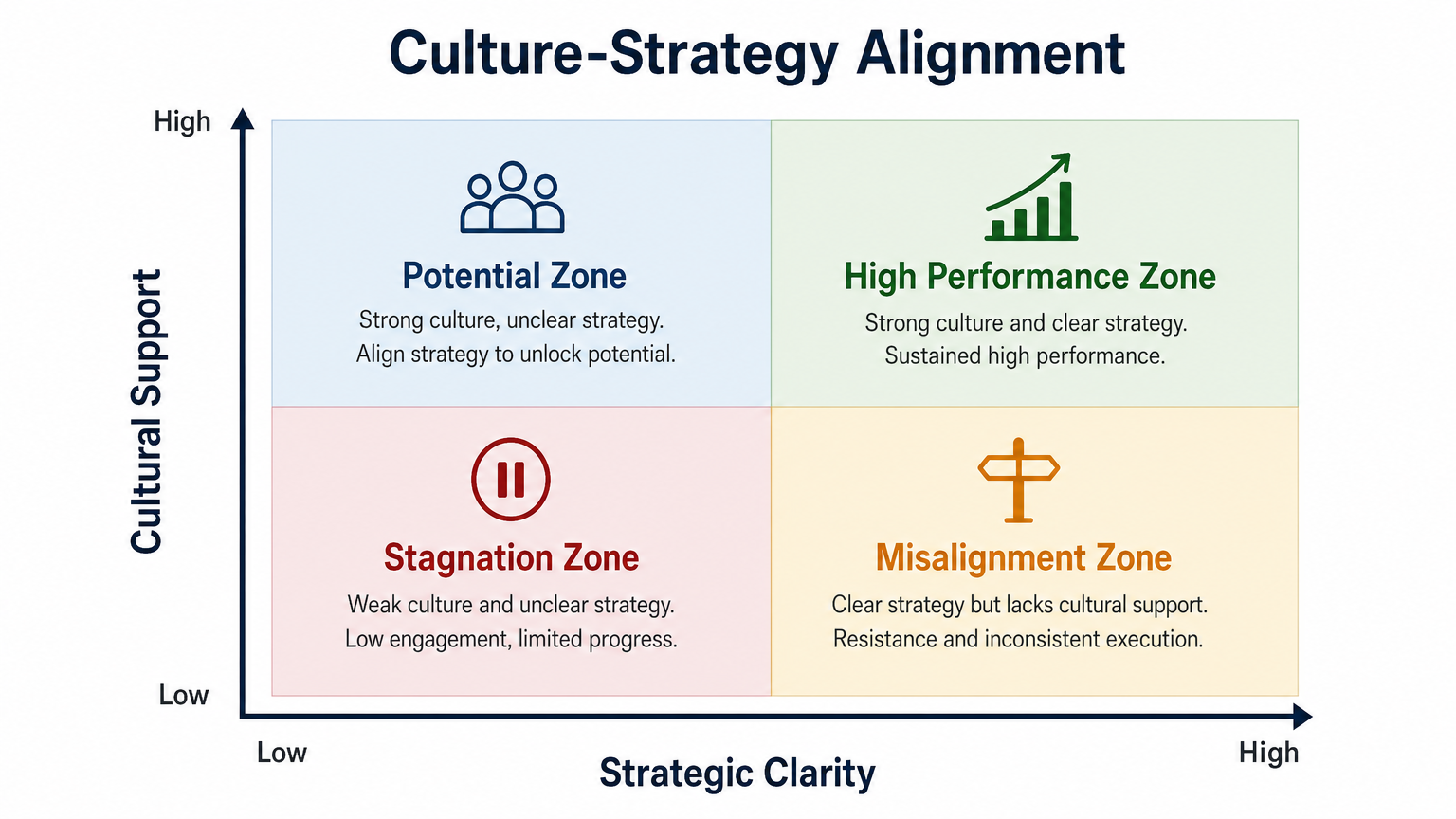
A strategic vision, no matter how brilliant, cannot thrive in an organizational culture that does not actively support it. If the prevailing norms, values, and practices contradict the strategic objectives, the vision will quickly fade into irrelevance. Leaders have a critical responsibility to intentionally shape the organizational environment to align with strategic goals. This involves more than just communicating the vision; it requires modeling the behaviors that embody the vision, establishing reward systems that recognize and reinforce outcomes aligned with strategic priorities, and fostering a culture of accountability where individuals understand their roles in achieving the collective goal. The foundational skills required for such cultural alignment can be further developed through comprehensive programs like Leadership and Management Essentials, which equip leaders with the tools to build a supportive and high-performing culture.
Empowering the Front Line: The Bottom-Up Feedback Loop
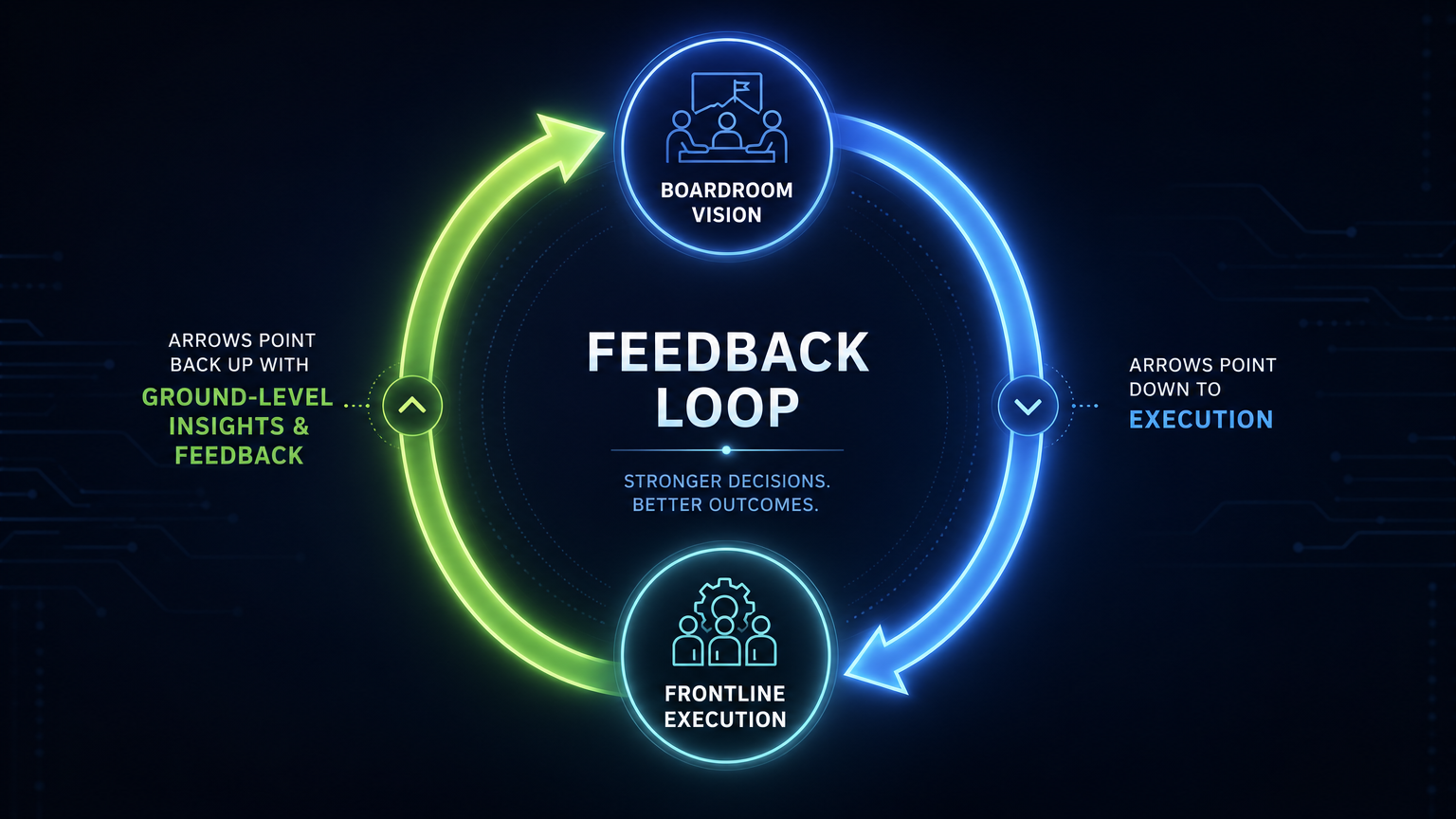
True clarity is a two-way street. While top-down communication of the vision is essential, equally vital is the establishment of robust mechanisms for bottom-up feedback. Those on the ground, engaged in the day-to-day operations, often possess invaluable insights into the practicalities, challenges, and opportunities that can significantly refine and strengthen the strategic vision. Leaders must actively invite these voices, creating safe spaces for real conversations, constructive criticism, and innovative suggestions. Recognizing the experience and perspectives of frontline employees and middle managers not only enhances the effectiveness of the strategy but also fosters a deeper sense of ownership and commitment across the organization. Programs such as the Middle Managers Leadership and Management Program are instrumental in equipping these crucial intermediaries to facilitate this vital feedback loop, ensuring that ground-level realities inform and enrich board-level decisions.
Navigating Uncertainty: Clarity During Crises
In times of crisis, disruption, or rapid change, the need for ground-level clarity becomes even more pronounced. When external pressures threaten stability, a well-communicated and deeply understood vision acts as an anchor, providing direction and reassurance. Leaders who have successfully bridged the vision-execution gap before a crisis are better positioned to guide their organizations through turbulent times. They can quickly translate strategic adjustments into clear, decisive actions, minimizing confusion and maintaining morale. The ability to provide unwavering clarity under pressure is a hallmark of effective leadership, and specialized training in areas like Crisis Leadership and Management can equip leaders with the skills to ensure that strategic intent remains clear, even when the path ahead is uncertain.
Frequently Asked Questions (FAQs)
What is the primary challenge in bridging board-level vision with ground-level clarity?
The primary challenge lies in translating abstract, high-level strategic goals developed in the boardroom into concrete, actionable tasks and clear understanding for employees at all operational levels. This gap often leads to misinterpretation, disengagement, and inefficient execution, as frontline teams may not fully grasp how their daily efforts contribute to the overarching vision.
Why is ground-level clarity essential for successful strategy execution?
Ground-level clarity is crucial because it empowers every employee to understand their role in achieving the organizational vision. When individuals comprehend the ‘why’ behind their work and how it connects to strategic objectives, it fosters motivation, engagement, and effective decision-making. Without this clarity, strategies can falter due to misaligned efforts, wasted resources, and a lack of accountability.
How can leaders effectively communicate strategic vision to their teams?
Effective communication involves simplifying complex strategic ideas into relatable language, using stories and examples that resonate across departments. Leaders should avoid jargon and instead focus on articulating the vision in terms of its practical implications and benefits for the organization and its employees. Establishing clear priorities and fostering open dialogue also ensures that the vision is not just heard, but truly understood and embraced.
What role does organizational culture play in bridging the vision-execution gap?
Organizational culture plays a pivotal role. A strategic vision cannot be successfully executed if the prevailing culture does not support it. Leaders must intentionally cultivate a culture that aligns with strategic goals by modeling desired behaviors, rewarding outcomes that advance the vision, and promoting accountability. A supportive culture acts as an engine, powering the vision through collective effort and shared values.
How can feedback from frontline employees enhance board-level vision?
Feedback from frontline employees provides invaluable real-world insights into the practicalities and challenges of strategy implementation. These ground-level perspectives can help refine and strengthen the strategic vision, making it more realistic and effective. By creating channels for bottom-up communication, leaders can foster a sense of ownership among employees and ensure that strategic decisions are informed by those directly involved in execution.
Conclusion: Building the Bridge Together
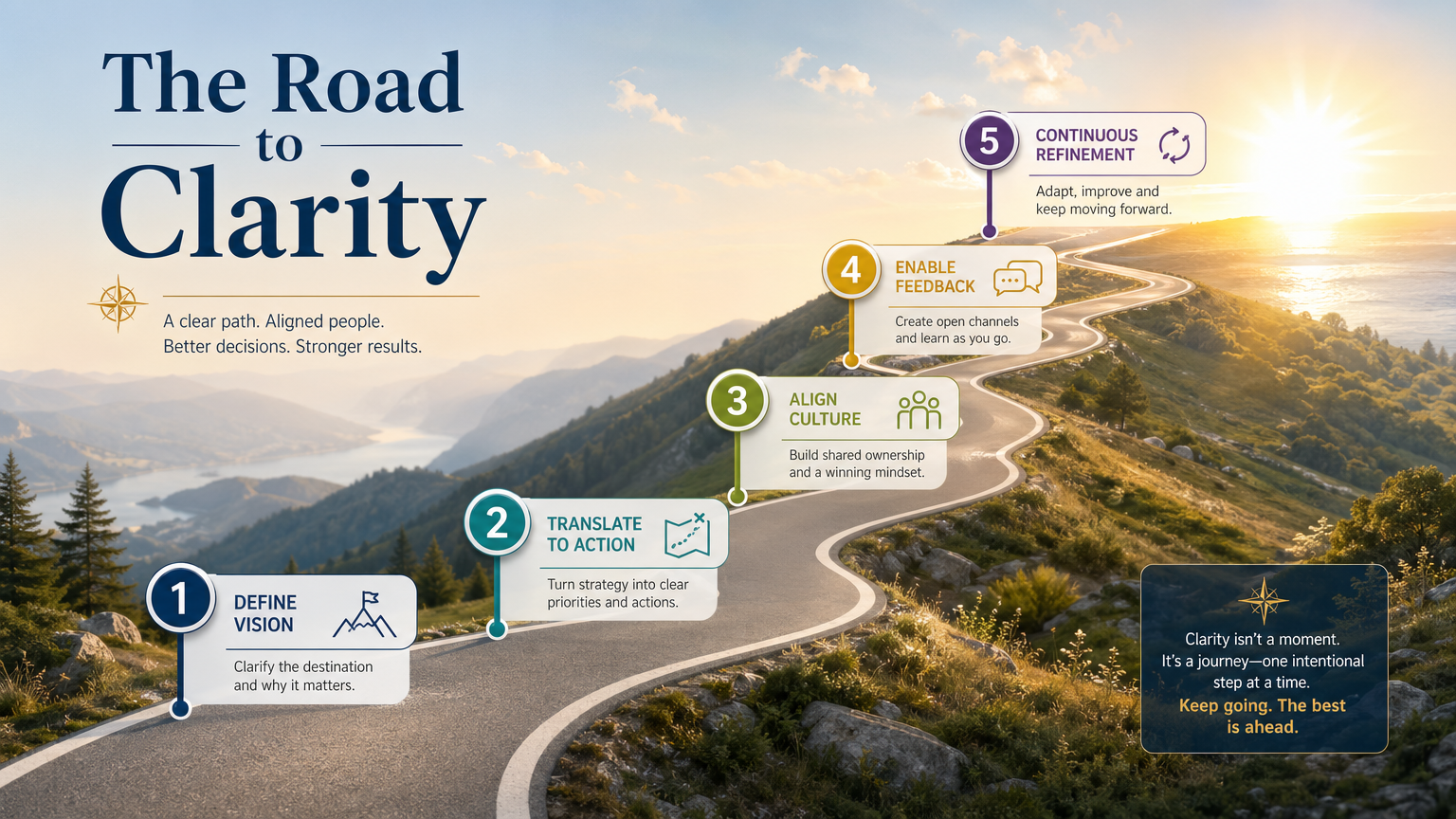
Ultimately, a board-level vision, no matter how ambitious or well-conceived, is only as powerful as its ground-level clarity. The journey from strategic intent to successful execution is not a solitary one; it requires a concerted effort to build bridges of understanding, communication, and alignment across all organizational tiers. Leaders who are intentional about translating their vision into actionable language, cultivating a supportive culture, and empowering their teams through continuous feedback loops will unlock the full potential of their organizations. By ensuring that everyone understands not just what they are doing, but why it matters and how it contributes to the bigger picture, leaders can transform abstract aspirations into concrete achievements, building a future where clarity reigns and success is a shared destination.