

Introduction to Executive Development and Training
Executive development and training is a structured approach designed to enhance leadership capabilities at the highest levels of an organization. In today’s fast-paced and ever-changing business environment, strong leadership is not optional—it’s essential. Organizations that invest in executive development and training consistently outperform their competitors because they cultivate leaders who can think strategically, adapt quickly, and inspire teams effectively.
At its core, executive development and training focuses on improving leadership competencies such as decision-making, communication, emotional intelligence, and strategic thinking. Companies that prioritize leadership growth often partner with professional training providers like Forelite Training to deliver impactful programs tailored to executive needs.
What is Executive Development?
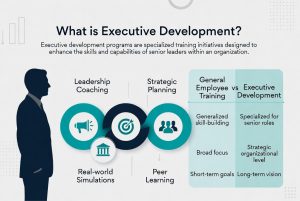
Executive development refers to the process of enhancing the skills, knowledge, and abilities of senior leaders and managers. Unlike general employee training, executive programs are highly specialized and focus on leadership challenges at the organizational level.
These programs often include:
- Leadership coaching
- Strategic planning exercises
- Real-world simulations
- Peer learning experiences
Many organizations rely on structured programs such as those offered through executive leadership training programs to ensure leaders are equipped to handle complex business challenges.
Importance of Leadership Training in Modern Organizations
Leadership today requires more than just experience it demands adaptability, innovation, and emotional intelligence. Executive development and training helps leaders:
- Navigate uncertainty
- Drive organizational change
- Build high-performing teams
- Improve decision-making under pressure
Without proper training, even experienced executives can struggle to keep up with evolving business demands.

Core Components of Executive Development Programs
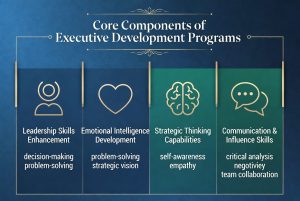
Executive development and training programs are built around several key components that ensure leaders gain practical and measurable skills.
Leadership Skills Enhancement
Leadership skills form the backbone of any executive training program. These include:
- Decision-making
- Problem-solving
- Strategic vision
Programs like leadership development courses focus on strengthening these core competencies.
Emotional Intelligence Development
Emotional intelligence (EQ) is critical for effective leadership. It enables executives to:
- Understand team dynamics
- Manage stress
- Build strong relationships
High EQ leaders are more likely to inspire trust and foster collaboration.
Strategic Thinking Capabilities
Executives must think beyond daily operations and focus on long-term goals. Strategic thinking training helps leaders:
- Analyze market trends
- Identify growth opportunities
- Make data-driven decisions
Communication and Influence Skills
Effective communication is a hallmark of successful leadership. Executive development programs emphasize:
- Persuasive communication
- Conflict resolution
- Stakeholder engagement
Training providers like corporate communication training help executives refine these critical skills.
Types of Executive Training Programs
Organizations can choose from various executive development and training formats depending on their needs.
Coaching and Mentoring
One-on-one coaching provides personalized guidance tailored to an executive’s strengths and weaknesses. Mentoring, on the other hand, allows leaders to learn from experienced professionals.
Workshops and Seminars
Workshops offer hands-on learning experiences, while seminars provide insights from industry experts. These formats encourage collaboration and knowledge sharing.
Online Executive Learning
Digital learning platforms have made executive development more accessible than ever. Programs such as online professional training courses allow leaders to learn at their own pace.

Benefits of Executive Development and Training
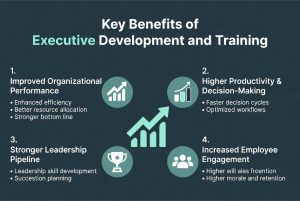
Investing in executive development and training delivers significant organizational benefits.
Improved Organizational Performance
Strong leadership directly impacts business performance. Companies with well-trained executives experience:
- Higher productivity
- Better decision-making
- Increased employee engagement
Stronger Leadership Pipeline
Executive training ensures a steady pipeline of capable leaders ready to take on future challenges. Programs like management training courses help organizations build this pipeline effectively.
Designing an Effective Executive Development Program
Creating a successful executive development and training program requires careful planning and execution.
Needs Assessment and Goal Setting
Before designing a program, organizations must identify:
- Skill gaps
- Leadership challenges
- Business objectives
This ensures the training aligns with organizational goals.
Customized Training Approaches
One-size-fits-all programs rarely work for executives. Tailored solutions are more effective because they address specific leadership needs.

Key Strategies for Successful Leadership Training
To maximize the impact of executive development and training, organizations should adopt proven strategies.
Continuous Learning Culture
Leadership development should not be a one-time event. Organizations must foster a culture of continuous learning where executives:
- Regularly update their skills
- Stay informed about industry trends
- Embrace innovation
Feedback and Performance Tracking
Regular feedback helps executives understand their progress and areas for improvement. Performance tracking ensures measurable outcomes.
Challenges in Executive Development
Despite its benefits, executive development and training comes with challenges.
Resistance to Change
Some executives may resist training due to:
- Time constraints
- Overconfidence in existing skills
- Fear of change
Overcoming this requires strong organizational support.
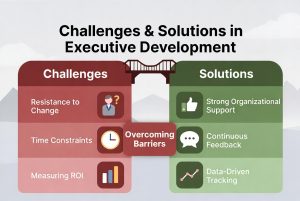
Measuring ROI of Training
Quantifying the return on investment (ROI) can be difficult. However, organizations can track:
- Performance improvements
- Employee engagement levels
- Business outcomes
Role of Technology in Executive Training
Technology is transforming executive development and training.
E-learning Platforms
Digital platforms provide:
- Flexible learning options
- Interactive content
- Global accessibility
Data-Driven Leadership Insights
Advanced analytics help organizations:
- Track leadership performance
- Identify skill gaps
- Optimize training programs

Future Trends in Executive Development
The future of executive development and training is evolving rapidly.
AI and Leadership Training
Artificial intelligence is enabling:
- Personalized learning experiences
- Real-time feedback
- Predictive analytics
Remote Leadership Skills
With remote work becoming common, executives must develop:
- Virtual communication skills
- Remote team management strategies
- Digital collaboration techniques
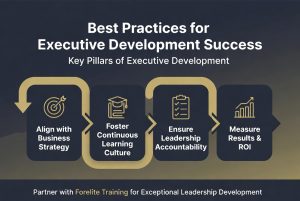
Executive Development and Training Best Practices
To ensure success, organizations should follow best practices.
Aligning with Business Strategy
Training programs must support organizational goals and objectives.
Leadership Accountability
Executives should take ownership of their development and actively participate in training initiatives.
FAQs on Executive Development and Training
1. What is executive development and training?
It is a structured process aimed at improving leadership skills and capabilities of senior professionals.
2. Why is executive training important?
It helps leaders adapt to change, improve decision-making, and drive organizational success.
3. How long do executive training programs last?
Programs can range from a few days to several months depending on complexity.
4. What skills are developed in executive training?
Key skills include leadership, communication, strategic thinking, and emotional intelligence.
5. Can executive training be done online?
Yes, many organizations offer flexible online programs for executives.
6. How do companies measure training success?
Through performance metrics, employee feedback, and business outcomes.
Conclusion
Executive development and training is a powerful tool for building strong, capable leaders who can drive organizational success. By investing in structured programs, leveraging modern technology, and fostering a culture of continuous learning, organizations can ensure their leaders are prepared for future challenges.
Partnering with experienced providers like Forelite Training ensures access to high-quality programs that deliver measurable results. Whether through coaching, workshops, or online learning, executive development and training remains a critical investment for any forward-thinking organization.