

Understanding Product Management in Marketing
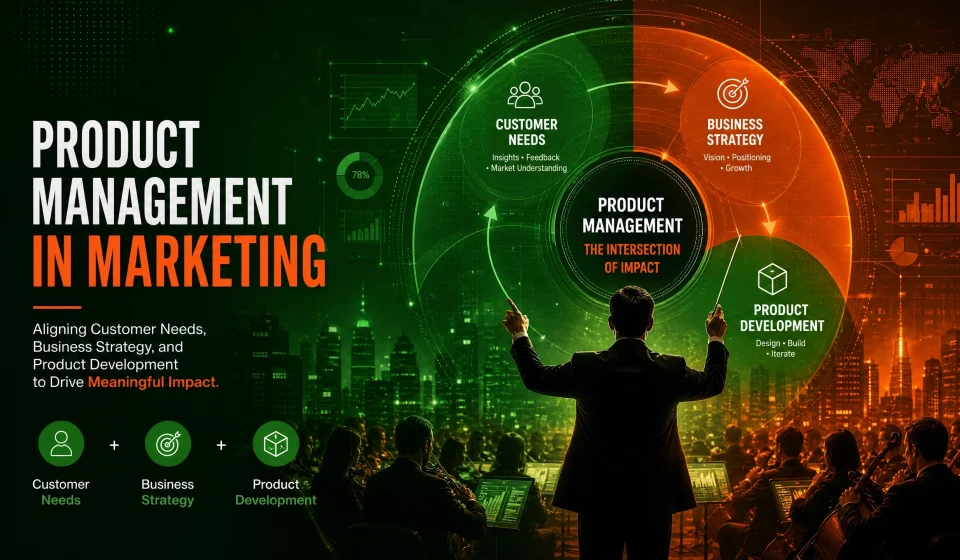
Product management in marketing sits at the intersection of customer needs, business objectives, and product development. It is the discipline responsible for ensuring that a product not only gets built but also succeeds in the marketplace. While many people associate product management with software development or technical teams, its connection to marketing is equally important. A product without effective marketing struggles to gain visibility, while marketing efforts without a well-managed product often fail to deliver sustainable results.
In today’s competitive environment, businesses can no longer rely solely on intuition when developing products. Customers expect personalized experiences, seamless functionality, and clear value propositions. Product managers work closely with marketing teams to identify market opportunities, understand customer pain points, and create products that solve real problems. This collaborative relationship helps organizations align product features with customer expectations and market demand.
Recent industry research highlights the growing importance of product management. According to Forrester’s 2025 product management report, organizations increasingly view product management as a strategic function that connects business goals with customer needs and technological innovation. AI-driven tools and customer-focused strategies are becoming central components of successful product management practices. These developments demonstrate that product management is no longer confined to operational activities; it has become a critical driver of growth and competitive advantage.
For organizations seeking to strengthen their workforce capabilities, professional development plays a significant role. Training providers such as ForElite Training Institute offer practical programs that help professionals develop strategic thinking, project management expertise, leadership skills, and customer-centric decision-making abilities that are essential for modern product management.
What Product Management Means in Modern Marketing
Modern product management extends far beyond overseeing product development timelines. It involves understanding market dynamics, analyzing customer behavior, and guiding strategic decisions throughout the product lifecycle. Product managers act as the voice of the customer within the organization while simultaneously ensuring that business objectives remain achievable.
Think of a product manager as the conductor of an orchestra. Every department plays a unique instrument, including engineering, sales, customer support, and marketing. Without coordination, the result becomes noise rather than music. Product managers ensure all teams work toward a unified goal, creating products that resonate with customers and generate measurable business outcomes.
Marketing professionals benefit tremendously from strong product management practices because they gain a deeper understanding of customer motivations and product value. This understanding allows them to craft more compelling messaging, target the right audiences, and develop campaigns that drive conversions. As a result, product management becomes a foundational element of effective marketing strategy.
Why Product Managers and Marketers Must Work Together
Successful products rarely emerge from isolated departments. Collaboration between product management and marketing ensures consistency from concept to customer acquisition. Product managers gather insights about customer needs, while marketers communicate product value to target audiences. Together, they create a seamless experience that strengthens customer trust and loyalty.
This partnership becomes especially valuable during product launches. Product managers provide detailed knowledge about product features and benefits, while marketers translate technical information into customer-friendly messaging. The outcome is a stronger market presence and improved customer engagement.
Organizations investing in professional development often recognize the value of cross-functional collaboration. Programs available through ForElite Training Institute help teams strengthen communication, leadership, strategic planning, and organizational effectiveness, all of which contribute to successful product management and marketing initiatives.
The Evolution of Product Management
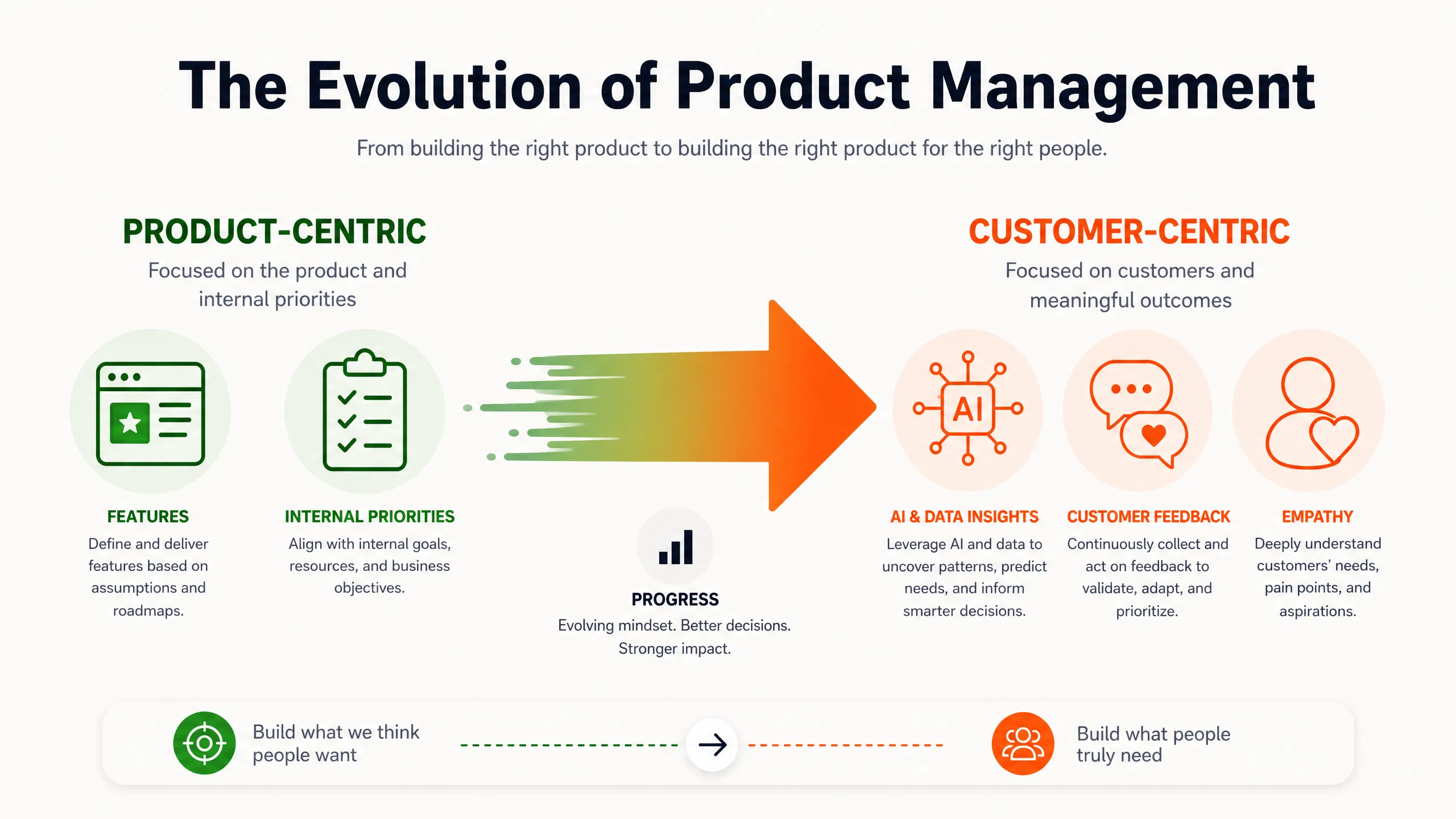
The role of product management has changed dramatically over the past decade. Historically, many organizations followed a product-centric approach, focusing primarily on product features and internal priorities. While this strategy occasionally produced successful outcomes, it often overlooked customer expectations and market realities.
Today’s product management practices prioritize customer-centricity. Businesses invest heavily in customer research, feedback mechanisms, and data analytics to understand evolving preferences. Product decisions are increasingly driven by evidence rather than assumptions. This shift reflects the growing recognition that customer satisfaction directly influences revenue growth and brand loyalty.
AI technologies are accelerating this transformation. Industry reports indicate that AI adoption has become widespread among product teams, helping organizations analyze customer behavior, forecast trends, and improve decision-making processes. These advancements allow product managers to identify opportunities faster and respond more effectively to changing market conditions.
From Product-Centric to Customer-Centric Strategies
Customer-centric product management begins with understanding customer problems rather than focusing solely on product features. Organizations conduct interviews, surveys, usability tests, and market analysis to uncover unmet needs. These insights shape product roadmaps and marketing strategies.
A customer-centric approach also reduces risk. By validating ideas before significant investment, businesses can avoid costly mistakes and allocate resources more efficiently. Products developed through customer-focused methodologies often achieve higher adoption rates and stronger market performance.
How AI and Data Are Reshaping Product Decisions
AI-powered tools have become indispensable for product managers. These technologies analyze large datasets, identify patterns, and generate insights that would be difficult to uncover manually. Product teams can predict customer preferences, optimize pricing strategies, and prioritize feature development with greater confidence.
Research published in 2025 indicates that AI integration continues to expand across product management functions. Organizations increasingly rely on AI to improve execution speed while maintaining strategic focus on customer value. The challenge lies not in building products quickly but in determining which products customers truly need.
Core Responsibilities of Product Management in Marketing
Product management encompasses a wide range of responsibilities that influence marketing outcomes. One of the most important duties involves conducting market research. Product managers gather information about competitors, industry trends, customer demographics, and emerging opportunities. These insights guide product development and positioning decisions.
Another critical responsibility is defining product positioning. Effective positioning communicates why a product matters and how it differs from competing alternatives. Product managers collaborate closely with marketers to create messaging that resonates with target audiences and highlights unique value propositions.
Pricing strategy also falls within the scope of product management. Pricing decisions influence profitability, customer perception, and market competitiveness. Product managers evaluate customer willingness to pay, competitor pricing structures, and business objectives when determining optimal pricing models.
Market Research and Customer Insights
Market research provides the foundation for informed decision-making. Product managers use qualitative and quantitative methods to understand customer behavior and market dynamics. These findings help organizations prioritize initiatives that deliver the greatest value.
Product Positioning and Messaging
Positioning defines a product’s place within the marketplace. Strong positioning communicates benefits clearly and differentiates products from competitors. Marketing campaigns become significantly more effective when built upon a well-defined positioning strategy.
Pricing and Go-to-Market Strategy
Pricing and go-to-market planning determine how products reach customers. Successful strategies balance profitability with accessibility while ensuring alignment between product capabilities and customer expectations.
Key Stages of the Product Management Lifecycle
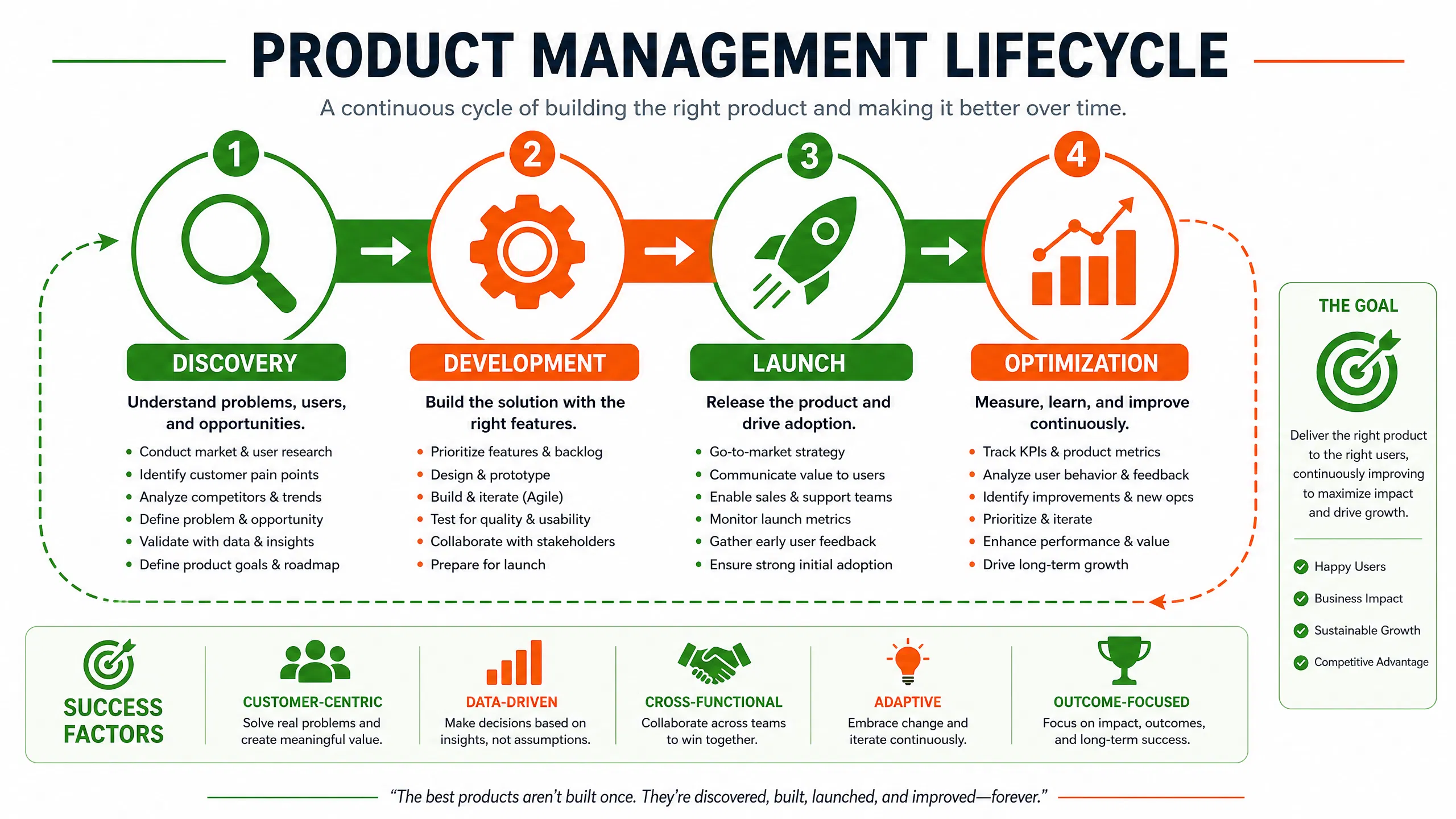
Every product progresses through a lifecycle consisting of discovery, development, launch, and optimization. Product managers guide activities throughout each stage, ensuring alignment with customer needs and business goals.
During discovery, teams identify opportunities and validate ideas. Development focuses on creating solutions that address customer problems. Launch activities introduce products to the market through coordinated marketing efforts. Optimization involves monitoring performance and implementing improvements based on customer feedback and data analysis.
This structured approach reduces uncertainty and increases the likelihood of market success. Organizations that follow disciplined product management practices often outperform competitors by delivering consistent value and adapting quickly to changing conditions.
Essential Skills for Product Managers in Marketing
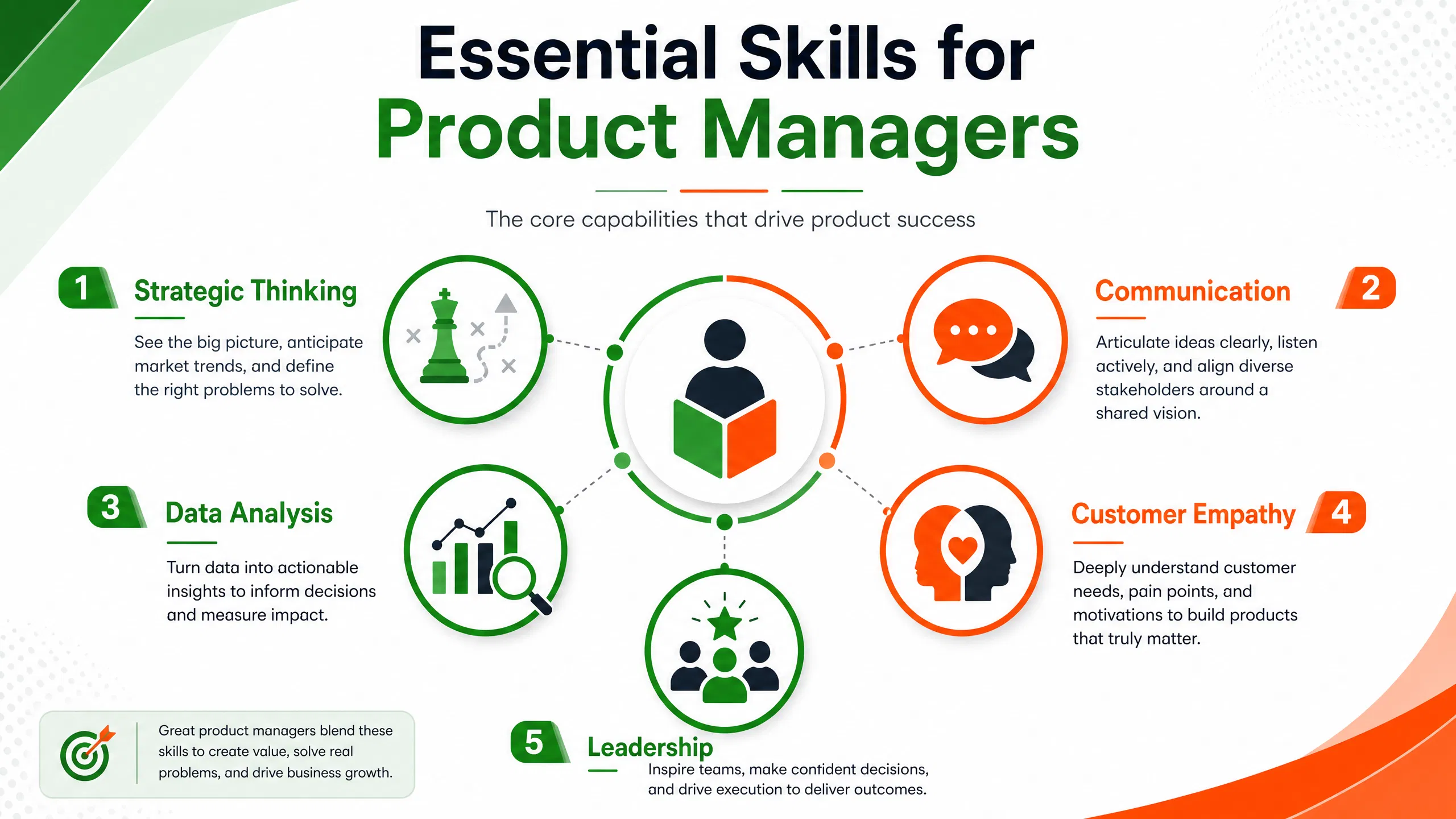
Product management requires a diverse skill set that combines strategic thinking, communication, analytical capabilities, and customer empathy. Strategic thinking enables product managers to align initiatives with long-term business objectives. Communication skills facilitate collaboration across departments and stakeholder groups.
Data analysis has become increasingly important as organizations rely on evidence-based decision-making. Product managers must interpret customer data, evaluate performance metrics, and identify actionable insights. Customer understanding remains equally critical because successful products emerge from genuine empathy for user needs.
Leadership skills also play a vital role. Product managers often influence teams without direct authority. Their ability to build consensus, resolve conflicts, and inspire collaboration significantly impacts project outcomes.
Professionals seeking to strengthen these competencies can explore leadership, management, and strategic planning programs available through ForElite Training Institute. Continuous learning helps individuals remain competitive in an evolving business landscape.
Product Management Tools and Technologies
Technology plays a central role in modern product management. Dedicated product management platforms help teams organize roadmaps, prioritize features, and track progress. AI-powered solutions streamline research, automate repetitive tasks, and support strategic decision-making.
Industry experts increasingly recommend platforms that integrate customer feedback with roadmap planning. These tools enable organizations to maintain visibility across the entire product lifecycle while improving stakeholder alignment.
Analytics platforms provide valuable insights into customer behavior and product performance. By monitoring usage patterns, conversion rates, and engagement metrics, product managers can identify opportunities for improvement and validate strategic decisions.
Organizations focused on digital growth often complement product management initiatives with specialized marketing expertise. Nexera Digital Solutions provides digital marketing consulting services that support online visibility, customer acquisition, and business growth through integrated digital strategies.
Professional Training for Product Management Excellence
Continuous learning has become essential for product managers. Rapid technological change, evolving customer expectations, and increasing competition require ongoing skill development. Organizations that invest in employee training often achieve stronger performance and greater adaptability.
Training programs covering project management, leadership, customer experience, business analysis, and strategic planning provide valuable foundations for product management professionals. These competencies help individuals navigate complex challenges and contribute effectively to organizational success.
Professionals can enhance their expertise through specialized learning opportunities available at:
- Project Management and Organizational Effectiveness
- Communication, Media and Public Relations
- Leadership and Executive Coaching Short Courses
These resources support the development of practical skills that align with modern product management requirements.
Future Trends Shaping Product Management in Marketing
The future of product management will be defined by AI integration, customer-centric innovation, and cross-functional collaboration. Product managers will increasingly act as orchestrators of human and AI capabilities, balancing automation with strategic judgment. Organizations that embrace this evolution will gain significant competitive advantages.
Customer expectations will continue rising as digital experiences become more sophisticated. Product managers must remain focused on delivering meaningful value while adapting to emerging technologies and market trends. Sustainability, personalization, and predictive analytics are likely to become even more influential in product strategy.
The relationship between product management and marketing will also deepen. As businesses prioritize customer experience, these functions will work more closely than ever to create products that solve problems and inspire loyalty.
Conclusion
Product management in marketing has evolved into one of the most influential disciplines within modern organizations. It connects customer insights, business strategy, technology, and marketing execution into a unified framework for growth. Successful product managers understand not only what customers need but also how to communicate value effectively and deliver exceptional experiences.
Organizations that invest in customer-centric product management practices are better positioned to innovate, compete, and thrive in dynamic markets. By combining data-driven decision-making, strategic thinking, and continuous learning, businesses can create products that resonate with customers and generate sustainable success.
FAQs
1. What is product management in marketing?
Product management in marketing involves planning, developing, positioning, and managing products throughout their lifecycle while ensuring alignment with customer needs and business goals.
2. Why is product management important for marketing success?
It helps organizations understand customer needs, create relevant products, develop effective messaging, and improve overall market performance.
3. What skills are essential for product managers?
Key skills include strategic thinking, communication, leadership, customer research, data analysis, and stakeholder management.
4. How does AI impact product management?
AI improves decision-making by analyzing customer data, identifying trends, forecasting outcomes, and automating repetitive tasks.
5. Where can professionals learn product management skills?
Training providers such as Forelite Training offer programs in project management, leadership, marketing, customer service, and organizational effectiveness that support product management development.