

In today’s rapidly evolving business landscape, the ability to effectively manage projects has become an indispensable skill. Organizations across all sectors are increasingly relying on well-executed projects to drive innovation, achieve strategic objectives, and maintain a competitive edge. This escalating demand has created a significant need for skilled project managers, making project management education a strategic investment for professionals seeking career advancement and organizational success.
This comprehensive guide will delve into the world of project management courses, exploring their fundamental definitions, the diverse types available, and the essential skills they cultivate. We will also examine the profound impact of project management certifications on career trajectories and earning potential, alongside a detailed look at current career opportunities and the future trends shaping the project management profession. By the end of this article, you will possess a clear understanding of how project management education can empower you to navigate complex projects with confidence and lead your teams to remarkable achievements.
II. What Are Project Management Courses and Why Are They Essential?
Project management courses are structured educational programs designed to equip individuals with the knowledge, tools, and techniques required to successfully plan, execute, monitor, control, and close projects. These courses cover a wide spectrum of topics, ranging from foundational principles to advanced methodologies, ensuring that participants can effectively navigate the complexities inherent in modern projects.
In the contemporary workplace, project management is not merely a departmental function but a critical organizational capability. Projects serve as the primary vehicle for innovation, growth, and strategic implementation within businesses. From developing new products and services to optimizing operational processes and expanding into new markets, successful project execution is paramount. Organizations that excel in project management are better positioned to adapt to market changes, deliver value to stakeholders, and achieve their long-term strategic goals.
Enrolling in project management courses offers a multitude of benefits. Beyond acquiring technical proficiency in areas such as planning, scheduling, budgeting, and risk management, these programs foster the development of crucial soft skills like leadership, communication, and problem-solving. Ultimately, such training enhances efficiency, reduces project failures, and significantly boosts a professional’s career trajectory by opening doors to leadership roles and higher earning potential.
III. Types of Project Management Courses: Finding Your Fit
The diverse landscape of project management education offers a variety of course types, catering to different learning preferences, career stages, and specialization needs. Understanding these distinctions is crucial for selecting a program that aligns with individual aspirations and professional development goals.
A. Learning Formats: Online vs. In-person
One of the primary considerations when choosing a project management course is the learning format. Online courses provide unparalleled flexibility, allowing learners to study at their own pace and from any location, making them ideal for working professionals or those with geographical constraints. Many online programs offer self-paced modules, while others include live virtual sessions with instructors. Conversely, in-person courses offer a traditional classroom experience, fostering direct interaction with instructors and peers, which can be beneficial for networking and collaborative learning. The choice between these formats often depends on an individual’s learning style, schedule availability, and preference for direct engagement versus self-directed study.

B. Accreditation and Specialization
The credibility and recognition of a project management course are often tied to its accreditation. Accredited courses, typically offered by recognized educational institutions or professional bodies, carry significant weight in the industry and can enhance a professional’s resume and career prospects. While non-accredited courses can still impart valuable knowledge, they may not offer the same level of industry recognition or contribute towards formal certifications.
Beyond general project management principles, many courses offer specialized training tailored to specific methodologies or industry sectors. For instance, professionals interested in adaptive approaches might pursue Agile and Scrum Methodologies Short Courses offered by institutions like Forelite Training. Other specialized areas include IT project management, construction project management, healthcare project management, and even niche areas like program and portfolio management. These specialized programs allow individuals to develop deep expertise in a particular domain, making them highly valuable in targeted job markets. For those looking to manage multiple, interconnected projects, Program and Portfolio Management Short Courses can provide the necessary strategic oversight skills.
IV. Key Skills Developed in Project Management Training
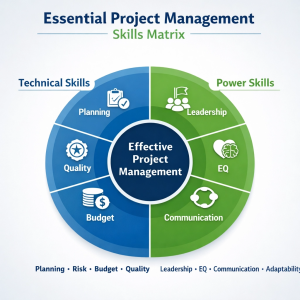
Effective project management demands a diverse skill set, encompassing both technical competencies and crucial soft skills. Project management training programs are meticulously designed to cultivate these abilities, preparing professionals to tackle the multifaceted challenges of project delivery.
A. Core Competencies
At the heart of project management lies a set of core technical skills essential for successful project execution:
•Planning and Scheduling: Project managers learn to define project scope, break down work into manageable tasks, estimate timelines, and create detailed schedules using tools like Gantt charts and critical path analysis. This ensures projects stay on track and meet deadlines.
•Risk Management: Every project inherently carries risks. Courses teach methodologies for identifying potential risks, assessing their impact, and developing proactive mitigation strategies. For those seeking in-depth knowledge in this area, Risk Management and Compliance Short Courses can provide specialized expertise in anticipating and addressing project uncertainties.
•Budgeting and Resource Allocation: Mastering financial oversight is critical. Project management training covers techniques for estimating costs, allocating resources efficiently, and monitoring expenditures to ensure projects remain within budgetary constraints.
•Quality Management: Ensuring that project deliverables meet specified standards and stakeholder expectations is paramount. Courses cover quality planning, assurance, and control processes to deliver high-quality outcomes.
B. Essential Soft Skills (2026 Trends Focus)
While technical skills form the backbone, the evolving project management landscape in 2026 places significant emphasis on soft skills, often referred to as power skills. These are vital for navigating complex team dynamics and stakeholder relationships :
•Leadership and Communication: Project managers must inspire and guide their teams, fostering a collaborative environment. Clear and concise communication is essential for conveying project goals, progress, and challenges to all stakeholders.
•Stakeholder Management: Identifying, analyzing, and engaging with stakeholders effectively is crucial for project success. This involves managing expectations, resolving conflicts, and building strong relationships.
•Problem-Solving and Adaptability: Projects rarely go exactly as planned. Project managers must possess strong analytical and problem-solving skills to address unforeseen issues and adapt to changing circumstances.
•Emotional Intelligence (EQ): As AI and automation handle more routine tasks, emotional intelligence has emerged as a top-tier skill for project managers . This involves understanding and managing one’s own emotions, as well as recognizing and influencing the emotions of others, leading to more effective team leadership and conflict resolution.
V. The Power of Project Management Certifications
In a competitive job market, project management certifications serve as powerful credentials that validate a professional’s expertise and commitment to the field. These certifications are not merely decorative; they significantly enhance credibility, marketability, and earning potential.
A. Why Certifications Matter
Project management certifications offer several compelling advantages:
- Enhanced Credibility and Marketability: Certifications from reputable bodies demonstrate a standardized level of knowledge and experience, making certified professionals more attractive to employers. They signal a dedication to best practices and continuous professional development.
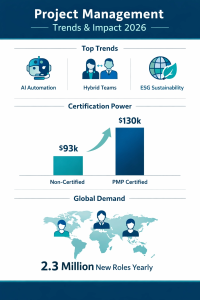
- Higher Earning Potential: Numerous studies consistently show a significant salary premium for certified project managers. For instance, PMP-certified professionals typically earn 23% to 29% more than their non-certified counterparts, with median annual salaries ranging from $120,000 to $130,000 in the U.S. . This substantial difference underscores the financial return on investment in certification.
- Industry Recognition: Certifications provide a common language and framework for project management, fostering a shared understanding of processes and principles across industries and geographies. This global recognition facilitates career mobility and opportunities.
B. Top Project Management Certifications (2025-2026)
The landscape of project management certifications is dynamic, with several credentials standing out for their industry relevance and value:
- PMP (Project Management Professional): Offered by the Project Management Institute (PMI), the PMP remains the most globally recognized and respected certification for experienced project managers. It validates a professional’s competence in leading and directing projects across various methodologies.
- Certified ScrumMaster (CSM) / Professional Scrum Master (PSM): These certifications are highly sought after for roles within Agile and Scrum environments, particularly in software development and IT. They demonstrate proficiency in facilitating Scrum teams and implementing Agile principles.
- CAPM (Certified Associate in Project Management): Also from PMI, the CAPM is an excellent entry-level certification for individuals new to project management or those looking to demonstrate their commitment to the profession. It provides a solid foundation in project management fundamentals.
- PRINCE2 (Projects In Controlled Environments): Popular in the UK, Europe, and Australia, PRINCE2 is a process-based methodology for effective project management. It offers a structured approach to managing projects of all types.
- Specialized Certifications: Beyond these core certifications, specialized credentials cater to niche areas. For example, the PMI Risk Management Professional (PMI-RMP) focuses on advanced risk management, while the Program Management Professional (PgMP) is designed for those managing multiple related projects. Professionals interested in ensuring project success through systematic tracking and evaluation might consider Monitoring, Evaluation and Learning (MEL) Short Courses to complement their certification portfolio.
VI. Career Opportunities and Outlook in Project Management
The robust demand for skilled project managers translates into a wealth of career opportunities and a promising outlook for the profession. As organizations increasingly adopt project-centric approaches, the need for professionals who can competently lead and deliver projects continues to grow.
A. In-Demand Roles
Project management training opens doors to a variety of roles across diverse industries:
- Project Manager: The most common role, responsible for planning, executing, and closing projects.
- Program Manager: Oversees multiple related projects, coordinating their interdependencies to achieve broader strategic objectives.
- Portfolio Manager: Manages a collection of projects and programs that align with an organization’s strategic goals, often focusing on investment and resource allocation.
- Project Coordinator/Analyst: Entry-level roles that support project managers with administrative tasks, data analysis, and reporting.
- AAgile Coach/Scrum Master: Specializes in Agile methodologies, guiding teams in implementing Scrum or other Agile frameworks.

B. Salary Expectations
Project management is a financially rewarding career path. As noted earlier, certifications significantly boost earning potential. The median salary for project managers in the U.S. can range from $93,000 to $130,000+, with PMP-certified professionals consistently earning at the higher end of this spectrum . Factors such as experience, industry, location, and specific certifications all play a role in determining salary levels.
C. Industry Growth and Talent Gap
The global project management job market is experiencing substantial growth. Projections indicate that the global economy will need to fill approximately 2.3 million new project-oriented roles every year through 2030 . This growth is not uniform across all regions; while North America is expected to see a 6% to 7% growth in project management specialists from 2024 to 2034, emerging markets like South Asia could experience growth rates as high as 90% . This significant talent gap underscores the urgent need for qualified project professionals.
D. Future Trends Shaping the PM Career Landscape (2026 Focus)
The project management profession is continually evolving, driven by technological advancements and changing business priorities. Key trends shaping the career landscape in 2026 include :
- AI and Automation in PM: Artificial intelligence is increasingly being integrated into project management tools for tasks like autonomous scheduling, predictive forecasting, and resource optimization. Project managers will need to leverage these tools effectively, shifting their focus from manual tracking to strategic oversight.
- Hybrid Project Management Approaches: The blend of traditional (Waterfall) and agile methodologies continues to dominate. Professionals proficient in adapting their approach based on project needs will be highly valued.
- ESG Integration: Environmental, Social, and Governance (ESG) considerations are becoming integral to project success. Project managers will need to understand and incorporate sustainability metrics into their projects.
- •Remote and Distributed Team Management: With the rise of global and hybrid workforces, expertise in managing remote and distributed teams, including effective communication and collaboration strategies, is more critical than ever. For those involved in the initial stages of project conceptualization, understanding how to effectively structure and present project ideas is vital. Project Design and Proposal Development Short Courses can provide essential skills in this area, ensuring projects are well-defined from the outset.
VII. Choosing the Right Project Management Course and Certification
Navigating the myriad of project management courses and certifications can be daunting. Making an informed decision requires careful self-assessment and thorough evaluation of available options to ensure the chosen path aligns with your career aspirations and learning preferences.
A. Self-Assessment
Before embarking on a project management educational journey, consider the following:
•Career Stage and Goals: Are you a newcomer seeking foundational knowledge, an experienced professional aiming for advanced certification, or looking to specialize in a particular methodology like Agile? Your current career stage and future ambitions should guide your choice.
•Learning Style and Preferences: Do you thrive in structured classroom environments, or do you prefer the flexibility of self-paced online learning? Consider whether you learn best through theoretical study, practical application, or a blend of both.
•Budget and Time Commitment: Project management courses and certifications vary significantly in cost and duration. Evaluate your financial resources and the amount of time you can realistically dedicate to study and exam preparation.
B. Provider Selection
Once you have a clear understanding of your needs, focus on selecting the right provider:
•Accreditation and Reputation: Prioritize courses and certifications from accredited institutions or globally recognized professional bodies like PMI. Research the provider’s reputation, industry standing, and the recognition of their credentials.
•Curriculum Relevance and Instructor Expertise: Ensure the course curriculum is up-to-date, covers relevant topics, and aligns with current industry best practices. Investigate the instructors’ qualifications and real-world project management experience.
•Post-Course Support and Community: Some providers offer valuable post-course support, such as career counseling, job placement assistance, or access to alumni networks. A strong community can provide ongoing learning opportunities and networking benefits.
VIII. Conclusion: Invest in Your Project Management Future
The journey to mastering project management is a continuous one, but the rewards are substantial. In an era defined by rapid change and complex undertakings, the demand for skilled project managers is not just a trend but a fundamental requirement for organizational success. By investing in project management courses and pursuing relevant certifications, professionals can significantly enhance their capabilities, increase their earning potential, and unlock a myriad of career opportunities.
Whether you are just starting your career or seeking to advance into leadership roles, project management education provides the essential framework for navigating challenges, driving innovation, and delivering successful outcomes. Embrace the opportunity for continuous learning, adapt to emerging trends like AI integration and hybrid methodologies, and position yourself as an indispensable asset in any organization. Your investment in project management today will undoubtedly pave the way for a future filled with professional growth and impactful achievements.
X. Frequently Asked Questions (FAQs) about Project Management Courses
What is the best project management certification for beginners?
For individuals new to project management, the Certified Associate in Project Management (CAPM) from the Project Management Institute (PMI) is highly recommended. It provides a strong foundation in project management principles and terminology, making it an excellent stepping stone for a career in the field. Other entry-level options include foundational courses in Agile or Scrum methodologies.
How long does it take to become a project manager?
The timeline to become a project manager varies significantly based on prior experience, educational background, and the specific career path pursued. Entry-level roles like Project Coordinator can be secured with a bachelor’s degree and some foundational training. To become a certified Project Manager (e.g., PMP), several years of project experience are typically required, in addition to formal education and passing a certification exam. The entire journey, including gaining experience and certification, can range from 2 to 5+ years.
Is a PMP certification still worth it in 2026?
Yes, the Project Management Professional (PMP) certification remains highly valuable and relevant in 2026. It continues to be the gold standard for experienced project managers, with certified professionals earning significantly more than their non-certified counterparts . The PMP exam is regularly updated to reflect current industry trends, including a strong emphasis on Agile and hybrid methodologies, ensuring its continued relevance in the evolving project management landscape .
What is the difference between Agile and PMP?
PMP (Project Management Professional) is a certification that validates a project manager’s comprehensive understanding of various project management approaches, including predictive (Waterfall), Agile, and hybrid methodologies. It focuses on the overall process of managing projects. Agile, on the other hand, is a specific iterative and flexible project management methodology, often associated with certifications like Certified ScrumMaster (CSM) or Professional Scrum Master (PSM). While PMP covers a broad spectrum, Agile certifications delve deep into the principles and practices of adaptive project delivery . Many PMP questions now involve Agile or hybrid scenarios, indicating the integration of Agile knowledge within the broader PMP framework .
Can I become a project manager without a degree?
While a bachelor’s degree is often preferred, it is possible to become a project manager without one, especially with significant relevant experience and certifications. Many organizations value practical experience, leadership skills, and a proven track record of successful project delivery. Certifications like CAPM or PMP (which has experience requirements that can sometimes substitute for a degree) can also help bridge the gap. However, a degree can accelerate career progression and open more opportunities.
What are the key skills for project managers in 2026?
In 2026, key skills for project managers extend beyond traditional technical competencies to include a strong emphasis on soft skills and adaptability. Essential skills include planning and scheduling, risk management, budgeting, and quality management. Crucially, soft skills such as leadership, communication, stakeholder management, problem-solving, adaptability, and emotional intelligence (EQ) are paramount. Proficiency in leveraging AI and automation tools, understanding hybrid methodologies, and integrating ESG (Environmental, Social, and Governance) considerations are also becoming increasingly vital .
IX. References
[1] Epicflow. (n.d.). 8 Current Trends in Project Management [2026]: What to Prepare for?
[2] CIAT. (2026, February 13 ). Is PMP Still Worth It in 2026? Salary, Demand & Career Outlook.
[4] PMI. (n.d. ). Global Project Management Talent Gap.
[5] APMIC. (2026, March 7 ). Project Management Industry Outlook in North America.
[6] Coursera. (2025, November 3 ). Project Management Frequently Asked Questions (FAQ).
[7] KnowledgeHut. (2026, January 19 ). Agile vs PMP: What are the differences in 2026?
[8] LinkedIn. (2025, December 8 ). Training vs Certifications: How to Know EXACTLY What You Need.


-
-
-
-
-
Show CommentsWith so many project management certifications available today, it can be overwhelming to choose one. But I think it’s great that the post highlights how each certification adds a unique value depending on the career path you’re aiming for.
It’s interesting how the post emphasizes formal training and certifications. From my experience, combining structured learning with real-world project experience really helps solidify these skills and makes them more applicable in day-to-day work.
As someone who’s navigated project management roles across different industries, I appreciate how this post highlights the growing importance of structured learning and certifications in staying competitive. It’s a timely reminder that strong project management skills aren’t just about planning — they’re deeply tied to career growth and organizational success. The emphasis on continuous upskilling really resonates, especially in fast-paced environments where adaptability is key.
[…] development sector organisations, NGOs, and government ministries managing donor-funded programmes, certification in project management and Monitoring, Evaluation and Learning is practically […]
It is great to see such a timely focus on project management as an essential skill for driving innovation in today’s business landscape. The emphasis on structured learning paths really highlights how certifications can bridge the gap between theoretical knowledge and real-world execution. This guide definitely serves as a strong foundation for anyone looking to navigate their career growth in operations.