
What Is the Executive Function? A Complete Guide to Understanding the Brain’s Control Center

Understanding Executive Function
Definition of Executive Function
Have you ever wondered why some people can effortlessly organize their schedules, meet deadlines, adapt to change, and stay focused on their goals while others struggle with distractions and procrastination? The answer often lies in a set of mental skills known as executive functions. Executive function refers to the collection of cognitive processes that help individuals plan, organize, focus attention, remember instructions, manage emotions, and achieve goals. Researchers describe executive function as the brain’s management system because it coordinates thinking, behavior, and decision-making. According to experts, executive functions are critical for everyday functioning, from managing household responsibilities to leading complex organizational projects.
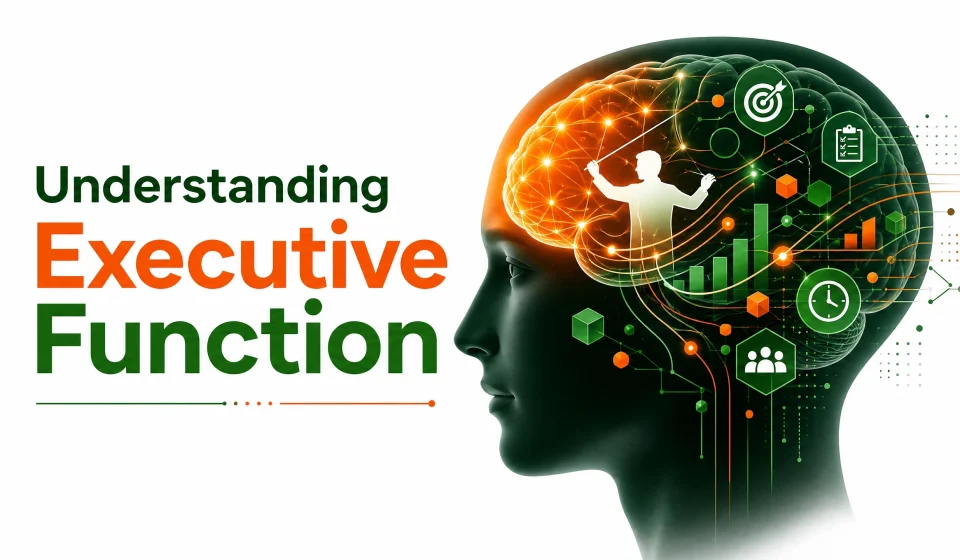
Think of executive function as the conductor of an orchestra. Every musician may know how to play an instrument, but without a conductor, the performance becomes chaotic. Similarly, your brain contains countless skills and abilities, yet executive function ensures they work together effectively. These mental processes allow you to prioritize tasks, resist distractions, solve problems, and remain focused on long-term objectives. Without strong executive function skills, even highly intelligent individuals may find it difficult to convert knowledge into action.
Why Executive Function Matters in Daily Life
Executive function affects virtually every aspect of human life. Whether you are a student preparing for exams, a professional managing multiple projects, a parent coordinating family activities, or a business leader making strategic decisions, executive functions play a central role. These skills help people manage time, make thoughtful choices, regulate emotions, and navigate unexpected challenges.
Additionally, executive function directly influences productivity, learning outcomes, social relationships, and career advancement. People with strong executive functioning skills often demonstrate better self-discipline, stronger communication abilities, and greater resilience under pressure. As a result, organizations increasingly recognize the importance of developing these competencies through leadership training, performance management programs, and professional development initiatives.
One valuable resource for organizations seeking workforce development solutions is ForElite Training Institute, which offers specialized training pathways in leadership, organizational development, digital transformation, and performance management designed to strengthen workplace effectiveness.
The Science Behind Executive Function
The Role of the Prefrontal Cortex
Scientists have discovered that executive functions are primarily associated with the brain’s prefrontal cortex, an area responsible for higher-order thinking and decision-making. This region acts as a command center that integrates information from various parts of the brain. When individuals analyze complex situations, resist impulses, or plan future actions, the prefrontal cortex is heavily involved.
Research suggests that executive function is not a single skill but rather a network of interconnected processes working together. These processes allow people to shift attention, maintain focus, monitor progress, and adjust behavior when circumstances change. Consequently, executive functioning influences both cognitive performance and emotional regulation.
How Executive Functions Develop Over Time
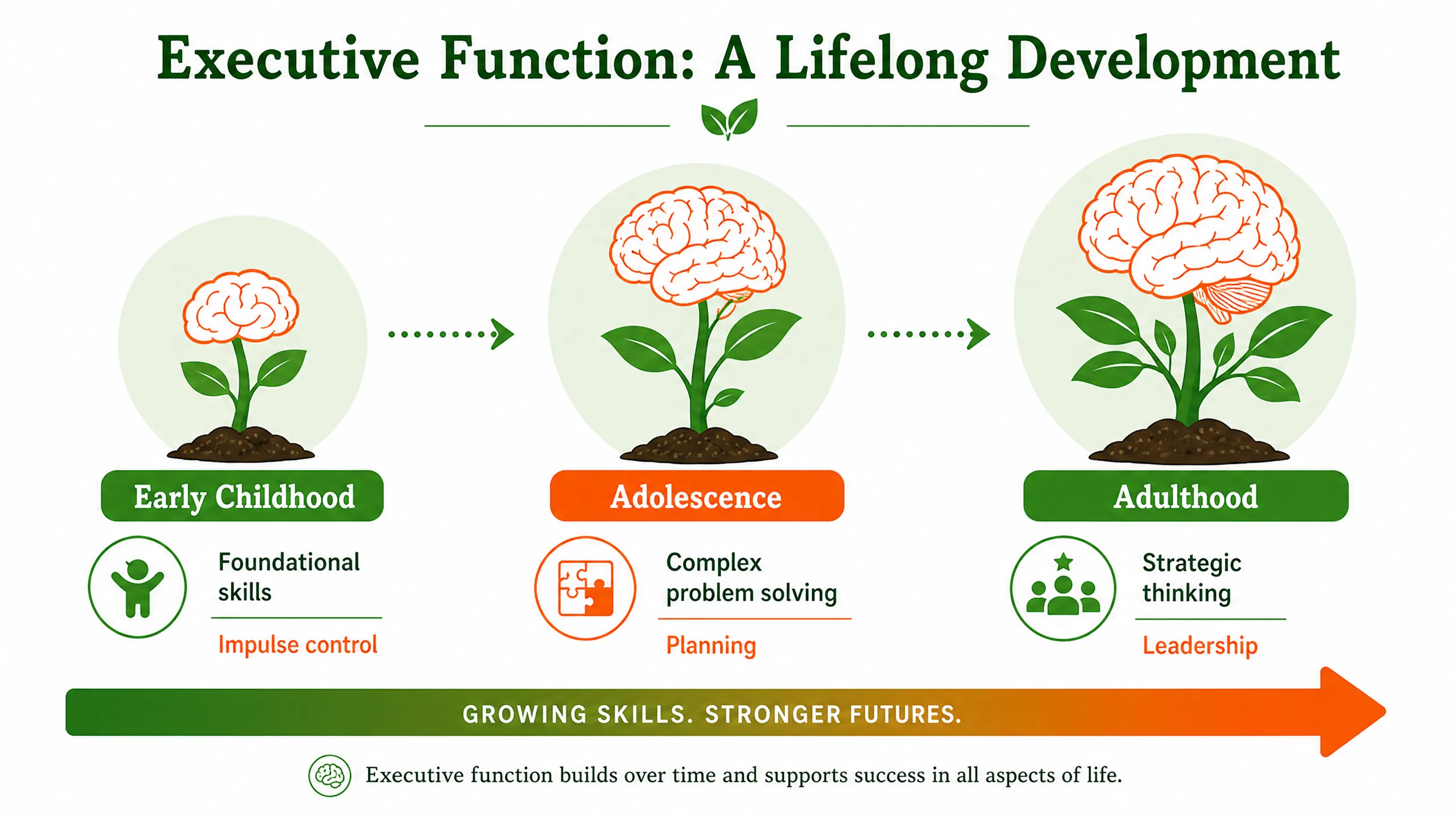
Executive functions begin developing during infancy and continue maturing through adolescence and early adulthood. Unlike basic motor skills that emerge relatively quickly, executive functions require years of development and practice. Children gradually learn to control impulses, follow instructions, and solve increasingly complex problems as their brains mature.
Recent research continues to highlight the importance of executive function development in educational achievement and long-term success. A 2026 systematic review examining executive functions and mathematics performance found strong longitudinal relationships between executive functioning skills and academic outcomes.
Core Components of Executive Function
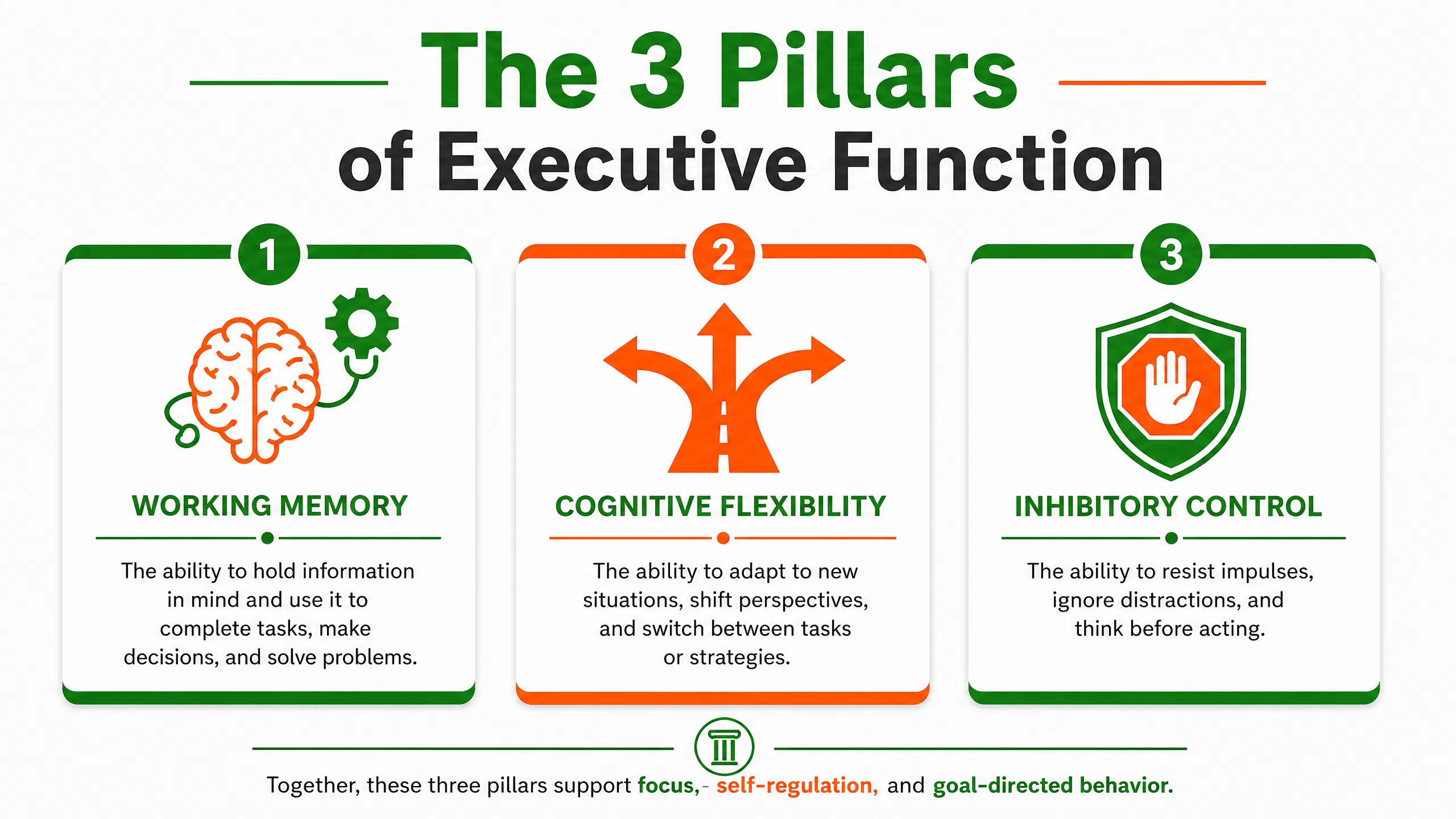
Working Memory
Working memory refers to the ability to hold and manipulate information in the mind for short periods. Imagine receiving directions to a meeting room while simultaneously remembering your agenda and preparing questions for discussion. That process relies heavily on working memory.
Strong working memory enables individuals to follow multi-step instructions, solve problems efficiently, and learn new information. Meanwhile, weak working memory can lead to forgetfulness, difficulty concentrating, and challenges in completing complex tasks. Educational institutions and employers often prioritize activities that strengthen this essential cognitive skill.
Cognitive Flexibility
Cognitive flexibility is the ability to adapt thinking and behavior when circumstances change. It allows individuals to switch between tasks, consider different perspectives, and modify strategies when existing approaches fail. In today’s rapidly evolving business environment, cognitive flexibility has become increasingly valuable.
For example, a project manager may need to revise timelines after unexpected budget changes. A teacher may need to adjust instructional methods based on student needs. Cognitive flexibility helps people remain effective despite uncertainty and complexity.
Inhibitory Control
Inhibitory control involves resisting impulses, filtering distractions, and maintaining focus on important goals. This skill enables individuals to delay gratification, avoid unnecessary interruptions, and make thoughtful decisions instead of reacting emotionally.
Therefore, inhibitory control is fundamental to self-discipline, professional performance, and emotional intelligence. Leaders, entrepreneurs, and high-performing professionals frequently rely on this skill to maintain consistency and achieve long-term objectives.
Executive Function in Children
Early Childhood Development
Executive function development begins remarkably early in life. Young children gradually learn how to follow instructions, wait their turn, and regulate their emotions. These foundational skills create the basis for future academic and social success. Experts emphasize that supportive environments, positive relationships, and structured learning experiences contribute significantly to executive function development.
Parents and educators play a crucial role in nurturing these abilities. Activities such as storytelling, puzzles, memory games, and collaborative problem-solving exercises encourage children to practice executive functioning skills naturally.
Signs of Strong Executive Function Skills
Children with well-developed executive function skills often demonstrate several positive behaviors:
| Skill Area | Observable Behaviors |
|---|---|
| Attention | Maintains focus on tasks |
| Organization | Keeps materials organized |
| Self-Control | Manages emotions effectively |
| Planning | Completes assignments on time |
| Flexibility | Adapts to changes smoothly |
These characteristics often contribute to stronger academic performance and healthier social relationships.
Common Challenges in Children
Some children experience difficulties with executive functioning due to developmental differences, environmental stressors, or learning challenges. Common signs include impulsivity, forgetfulness, difficulty following instructions, and challenges with task completion. Trauma, chronic stress, and adverse childhood experiences can also affect executive function development.
Recognizing these challenges early allows parents, teachers, and professionals to implement supportive strategies that promote growth and resilience.
Executive Function in Adults
Workplace Performance and Productivity
Executive function remains equally important during adulthood. In professional environments, these skills influence leadership effectiveness, project management, communication, innovation, and strategic planning. Employees with strong executive functions are often better equipped to manage competing priorities and navigate workplace challenges.
Organizations seeking to strengthen leadership and workforce capabilities can benefit from programs such as the Leadership and Executive Coaching pathway available through ForElite Training Institute Leadership Programs. These programs focus on decision-making, communication, and performance improvement.
Decision-Making and Emotional Regulation
Executive function significantly influences emotional regulation. Adults regularly encounter situations requiring thoughtful judgment under pressure. Whether negotiating contracts, resolving conflicts, or responding to crises, executive functions help individuals maintain perspective and make informed decisions.
Similarly, emotional intelligence and executive function are closely connected. People who effectively regulate emotions often demonstrate stronger leadership capabilities and healthier interpersonal relationships. These competencies are particularly valuable in management, governance, and organizational development contexts.
Factors That Influence Executive Function
Stress, Sleep, and Mental Health
Executive function is highly sensitive to lifestyle and environmental factors. Chronic stress, inadequate sleep, anxiety, depression, and burnout can significantly impair cognitive performance. Even temporary sleep deprivation may reduce attention, memory, and decision-making abilities.
Modern workplaces increasingly recognize the relationship between wellbeing and performance. This understanding has driven growing interest in workplace wellness programs and occupational health initiatives that support cognitive functioning and employee productivity.
Professionals interested in workplace wellbeing strategies may explore training opportunities through ForElite Training Institute Workplace Wellbeing and Occupational Safety Courses.
Education and Learning Environments
Educational experiences play an important role in executive function development. Research suggests that structured learning environments contribute to improvements in planning, self-regulation, and cognitive flexibility. Formal education provides repeated opportunities to practice these skills through goal setting, problem-solving, and collaborative activities.
Organizations can reinforce executive functioning through continuous professional development programs focused on leadership, project management, and strategic thinking. Resources such as ForElite Training Institute Project Management Courses and ForElite Training Institute Strategic Planning Programs help professionals strengthen these competencies.
How to Improve Executive Function Skills
Practical Strategies for Everyday Life
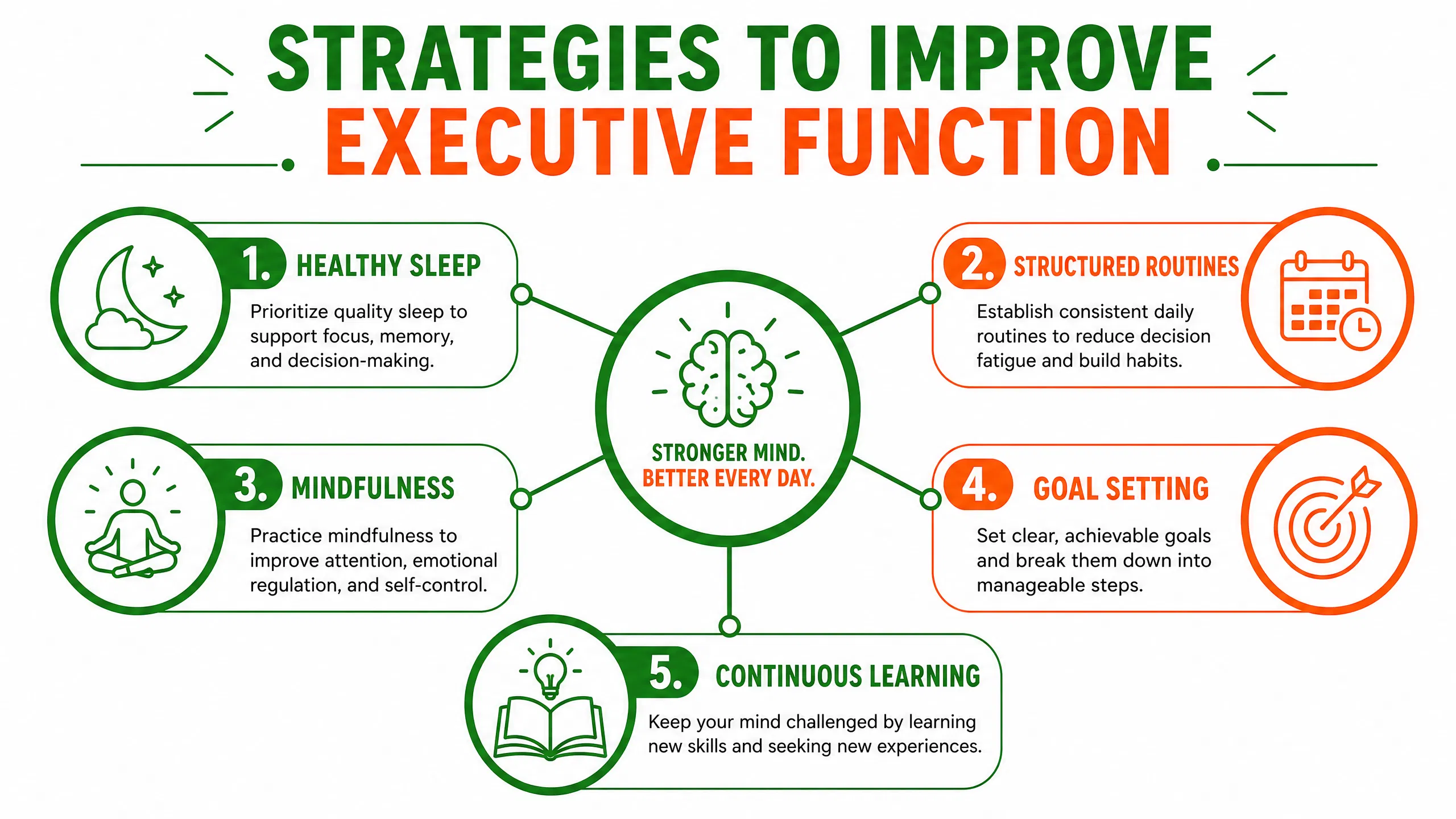
Improving executive function requires consistent practice and intentional habits. While no overnight solution exists, several evidence-based approaches can enhance cognitive performance over time. These include maintaining healthy sleep patterns, exercising regularly, setting clear goals, breaking large tasks into smaller steps, and minimizing distractions.
Other effective strategies include:
- Using calendars and planning tools.
- Creating structured routines.
- Practicing mindfulness and stress management.
- Engaging in continuous learning.
- Seeking accountability and feedback.
Over time, these practices strengthen the mental processes responsible for planning, focus, and self-regulation.
Professional Training and Capacity Building
Professional development programs provide valuable opportunities to enhance executive functioning skills. Leadership development, change management, organizational effectiveness, and performance improvement initiatives help individuals strengthen strategic thinking and decision-making capabilities.
Organizations seeking comprehensive capacity-building solutions can benefit from:
- ForElite Training Institute Change Management Programs
- ForElite Training Institute Performance Management Courses
- ForElite Training Institute Human Capital Development Programs
For organizations seeking digital transformation support and business growth strategies, Nexera Digital Solutions provides digital consulting and technology-driven solutions that complement workforce capability development.
Executive Function and Organizational Success
Leadership, Planning, and Innovation
Executive function extends beyond individual success; it significantly impacts organizational performance. Companies thrive when leaders can think strategically, adapt to change, manage resources effectively, and inspire teams toward shared goals. These capabilities are rooted in strong executive functioning skills.
Likewise, innovation depends heavily on cognitive flexibility, problem-solving, and decision-making. Organizations operating in dynamic environments require employees who can evaluate information, anticipate challenges, and implement creative solutions. This is why many forward-thinking organizations invest heavily in leadership development, organizational effectiveness, and digital transformation training.
The growing emphasis on executive functioning reflects a broader understanding that technical expertise alone is insufficient. Success increasingly depends on the ability to manage complexity, collaborate effectively, and adapt continuously. Organizations that cultivate these capabilities position themselves for sustained growth and competitive advantage.
Conclusion
Executive function serves as the brain’s command center, coordinating the mental processes that enable planning, focus, self-control, adaptability, and goal achievement. From childhood development to workplace performance, these cognitive skills influence nearly every aspect of life. Research consistently demonstrates that executive functions are essential for academic success, professional achievement, emotional regulation, and effective decision-making.
The encouraging news is that executive function skills can be strengthened through intentional practice, supportive environments, continuous learning, and professional development. Whether you are a parent, educator, manager, or business leader, investing in executive function development can produce meaningful and lasting benefits for individuals and organizations alike.
FAQs
1. What is executive function in simple terms?
Executive function is the set of mental skills that help people plan, focus, remember instructions, control impulses, and achieve goals.
2. What are the three main components of executive function?
The three primary components are working memory, cognitive flexibility, and inhibitory control.
3. Why is executive function important?
Executive function supports decision-making, productivity, emotional regulation, academic achievement, and workplace success.
4. Can executive function be improved?
Yes. Regular practice, healthy lifestyle habits, structured routines, and professional development programs can strengthen executive functioning skills.
5. How does executive function affect leadership?
Strong executive function enables leaders to plan strategically, manage resources effectively, solve problems, adapt to change, and make informed decisions under pressure.