
The Evolving Landscape of Project Management
In an era defined by rapid technological advancements and dynamic market shifts, the role of a project manager has transcended traditional task coordination. Today, effective project management is the bedrock of organizational success, driving innovation, ensuring efficient resource utilization, and fostering stakeholder satisfaction. As we look towards 2026 and beyond, project managers are increasingly expected to be strategic leaders, adept at navigating complex environments and leveraging cutting-edge tools. This comprehensive guide delves into the essential skills required to excel in this evolving landscape, offering insights into both the foundational and forward-looking competencies that define successful project leadership.
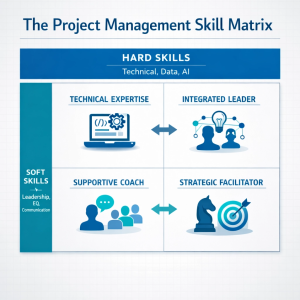
The Modern PM Skill Matrix: Balancing Hard and Soft Skills
Modern project management demands a delicate balance between hard skills—technical proficiencies and methodological expertise—and soft skills interpersonal abilities and leadership qualities. While hard skills provide the framework for project execution, soft skills are the catalysts for team cohesion, effective communication, and successful stakeholder engagement. A truly effective project manager masters both, understanding that technical prowess alone is insufficient without the ability to inspire, communicate, and adapt.
Developing a robust skill set requires continuous learning and a commitment to personal and professional growth. For those aspiring to lead with impact, specialized training in leadership is crucial. Project Management for Leaders offers a pathway to hone these critical leadership competencies, transforming managers into visionary project leaders.
Top 5 Hard Skills for the Digital Era
The digital transformation has reshaped the technical demands on project managers. Proficiency in these hard skills is no longer optional but essential for navigating the complexities of modern projects:
- AI-Driven Project Intelligence: The integration of Artificial Intelligence (AI) into project management tools is revolutionizing planning, forecasting, and risk assessment. Project managers must understand how to leverage AI for predictive analytics, automated task management, and intelligent resource allocation to enhance efficiency and decision-making.
- Data Literacy and Analytics: Projects generate vast amounts of data. The ability to interpret this data, identify trends, and derive actionable insights is paramount. Data-literate project managers can make informed decisions, optimize processes, and demonstrate project value through measurable outcomes.
- Advanced Risk Management: In an increasingly volatile world, proactive and sophisticated risk management is critical. This involves not just identifying potential pitfalls but also developing robust mitigation strategies and contingency plans. Understanding the likelihood and impact of various risks allows for strategic planning and minimizes disruptions.
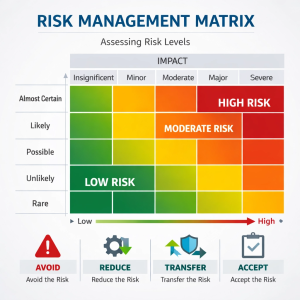
Effective risk management is a cornerstone of successful project delivery. Specialized training, such as the Construction Project Risk Management course, provides in-depth knowledge and practical strategies for anticipating and mitigating project risks.
- Financial and Resource Optimization: Project managers are stewards of resources—be it budget, personnel, or time. Optimizing these resources requires a keen understanding of financial principles, resource allocation strategies, and efficiency improvement techniques to ensure projects are delivered within constraints and achieve maximum ROI.
- Proficiency in Project Management Tools: Beyond basic project scheduling software, modern project managers must be adept at using advanced tools for collaboration, task management, time tracking, and reporting. Familiarity with platforms that integrate AI and automation capabilities is increasingly vital.
The “Human” Edge: Essential Soft Skills
While technical skills are crucial, the human element remains central to project success. Soft skills enable project managers to lead, motivate, and navigate the intricate web of human interactions inherent in any project:
- Emotional Intelligence (EQ) in Leadership: Understanding and managing one’s own emotions, as well as recognizing and influencing the emotions of others, is a hallmark of effective leadership. High EQ allows project managers to build stronger teams, resolve conflicts constructively, and foster a positive work environment.
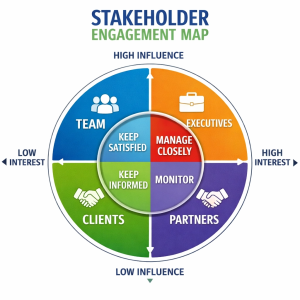
- Strategic Influence and Stakeholder Management: Projects rarely exist in a vacuum. The ability to identify, engage, and influence diverse stakeholders from team members to senior executives and external partners is critical for gaining buy-in, managing expectations, and ensuring project alignment with broader organizational goals.
- Conflict Resolution in Hybrid Teams: With the rise of remote and hybrid work models, conflict resolution has become more nuanced. Project managers must possess strong mediation skills to address disagreements, foster collaboration, and maintain productivity across geographically dispersed teams.
Mastering Methodologies: Agile, Waterfall, and Hybrid Approaches
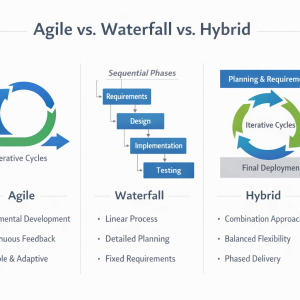
The choice of project management methodology significantly impacts project execution and outcomes. A skilled project manager understands the strengths and weaknesses of various approaches and can select or adapt the most suitable one for a given project:
Waterfall: A linear, sequential approach best suited for projects with well-defined requirements and minimal expected changes. Each phase must be completed before the next begins.
Agile: An iterative and flexible approach ideal for projects with evolving requirements or those requiring rapid adaptation. It emphasizes collaboration, continuous feedback, and incremental delivery.
Hybrid: A blend of Waterfall and Agile, combining the structured planning of Waterfall with the flexibility and iterative nature of Agile. This approach is gaining popularity for its ability to balance predictability with adaptability.
Understanding the nuances of different methodologies, particularly in contract management, is vital for project success. The Agile Contract Management course provides valuable insights into managing contracts within agile frameworks, ensuring flexibility and efficiency.
Tools and Technology: Beyond the Gantt Chart
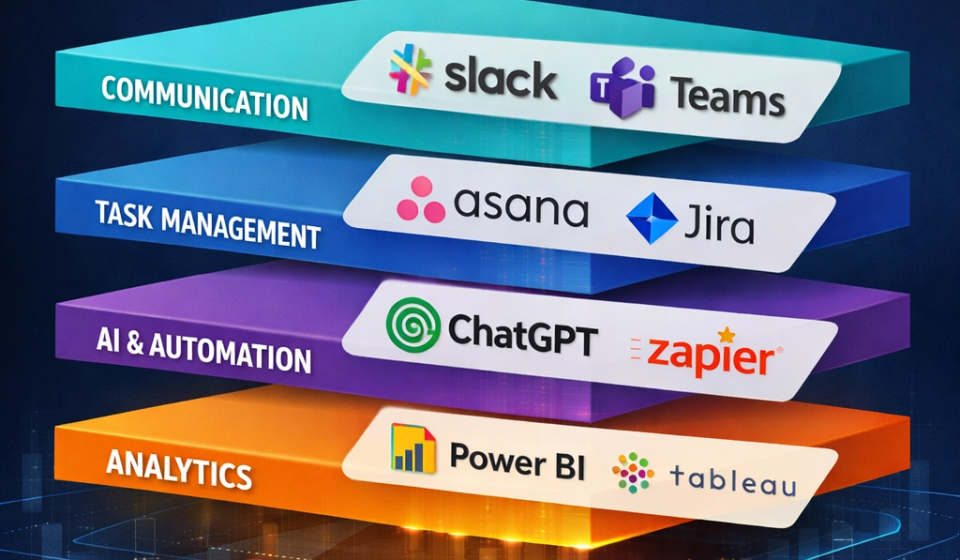
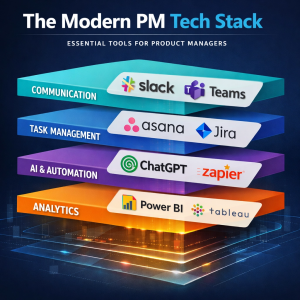
The modern project manager’s toolkit extends far beyond traditional Gantt charts. Leveraging advanced software and technological solutions is crucial for optimizing workflows, enhancing communication, and improving overall project performance. The contemporary PM tech stack includes:
- Communication & Collaboration Platforms: Tools like Slack and Microsoft Teams facilitate real-time communication, file sharing, and virtual meetings, essential for both co-located and distributed teams.
- Task Management & Workflow Automation: Platforms such as Asana, Jira, and Trello help organize tasks, track progress, and automate routine processes, freeing up project managers to focus on strategic initiatives.
- AI & Automation Tools: AI-powered solutions, including advanced analytics platforms and intelligent automation tools, assist in predictive forecasting, risk identification, and resource optimization.
- Analytics & Reporting Dashboards: Tools like Power BI and Tableau enable project managers to visualize project data, monitor KPIs, and generate comprehensive reports for stakeholders.
Future-Proofing Your Career: Continuous Learning and Certification
The landscape of project management is constantly evolving, making continuous learning indispensable for career longevity and success. Staying abreast of new methodologies, technologies, and industry best practices ensures that project managers remain competitive and effective. Pursuing relevant certifications and specialized courses can significantly enhance your skill set and credibility.
Investing in professional development, such as courses in procurement and contract lifecycle management, can provide a significant competitive advantage. The Procurement Project and Contract Lifecycle Management training equips project managers with the expertise to navigate complex contractual agreements and optimize procurement processes.
Frequently Asked Questions (FAQs) about Project Management Skills
What are the most critical project management skills for success in 2026?
In 2026, the most critical project management skills encompass a blend of both hard and soft skills. Hard skills include AI-driven project intelligence, data literacy and analytics, advanced risk management, financial and resource optimization, and proficiency in modern project management tools. Essential soft skills include emotional intelligence, strategic influence, stakeholder management, and conflict resolution, especially in hybrid team environments.
How has AI impacted project management skills?
AI has significantly impacted project management by introducing new tools for predictive analytics, automated task management, and intelligent resource allocation. Project managers now need to understand how to leverage AI to enhance efficiency, improve decision-making, and forecast project outcomes more accurately. This requires a shift towards AI-driven project intelligence as a core competency.
Why are soft skills becoming increasingly important for project managers?
Soft skills are becoming increasingly important because projects are inherently collaborative and human-centric. Emotional intelligence helps in building stronger teams and managing interpersonal dynamics. Strategic influence and stakeholder management are crucial for gaining buy-in and aligning project goals with organizational objectives. Effective conflict resolution is vital for maintaining team cohesion and productivity, particularly in diverse and distributed teams.
What project management methodologies are most relevant today?
While Waterfall remains relevant for projects with stable requirements, Agile methodologies are increasingly favored for their flexibility and iterative approach, especially in dynamic environments. The Hybrid approach, which combines elements of both Waterfall and Agile, is also gaining prominence as it offers a balance between structured planning and adaptive execution. Project managers should be proficient in selecting and adapting the most suitable methodology for their specific project context.
How can project managers future-proof their careers?
To future-proof their careers, project managers must commit to continuous learning and professional development. This involves staying updated on emerging technologies like AI, mastering new methodologies, and pursuing relevant certifications. Investing in specialized training and actively seeking opportunities to apply new skills are key to remaining competitive and effective in the evolving project management landscape.
Conclusion
Mastering project management in 2026 requires a multifaceted approach, blending technical acumen with exceptional interpersonal skills. By embracing AI-driven tools, cultivating data literacy, honing advanced risk management techniques, and prioritizing emotional intelligence and strategic influence, project managers can navigate the complexities of modern projects with confidence. Continuous learning and strategic professional development are not just beneficial but essential for future-proofing your career and driving sustained success in an ever-changing world. Embrace these skills, and transform your projects into powerful engines of organizational growth.
References