
Agri-Business Development: 15 Powerful Strategies for Sustainable Growth and Profitability

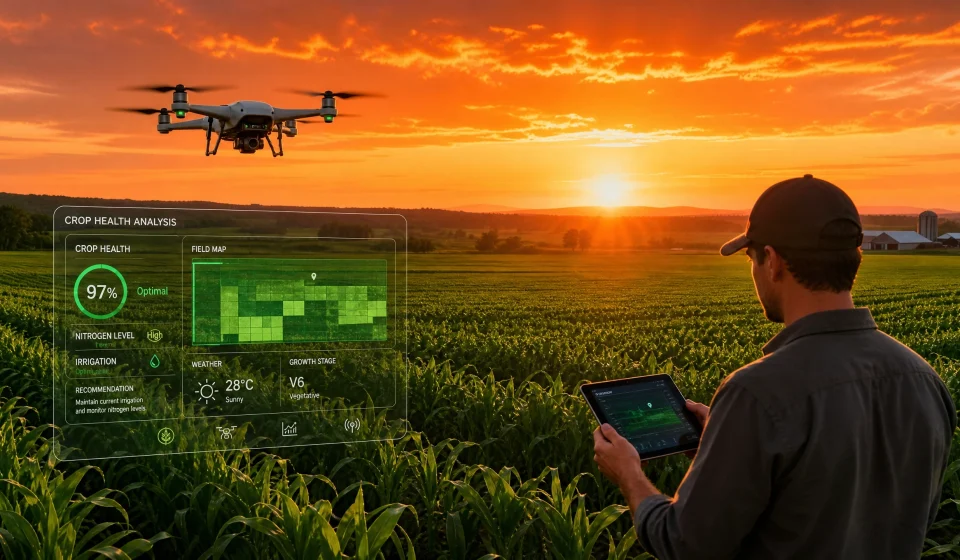
Agri-business development is becoming one of the most important drivers of economic growth, food security, and employment worldwide. As populations continue to grow and consumer demand for food rises, the agricultural sector is evolving rapidly. Today’s agriculture is no longer limited to traditional farming methods. Instead, it combines technology, business management, innovation, and sustainability to create profitable opportunities across the entire agricultural value chain.
From crop production and livestock farming to food processing and export businesses, agri-business development offers countless opportunities for entrepreneurs, investors, and communities. It helps improve productivity, increase farmers’ incomes, and strengthen national economies. More importantly, it supports sustainable food systems that can feed future generations.
For individuals interested in building professional skills in agriculture and entrepreneurship, institutions such as Forelite Training Center provide valuable learning opportunities designed to empower future agri-business leaders.
Understanding Agri-Business Development
Agri-business development refers to the growth and management of businesses involved in agricultural production, processing, distribution, and marketing. It includes every economic activity connected to farming and food systems.
Unlike subsistence farming, agri-business focuses on profitability, efficiency, innovation, and long-term sustainability. It integrates modern business strategies into agriculture to maximize production and reduce waste.
Agri-business development covers several sectors, including:
- Crop farming
- Livestock production
- Agritech solutions
- Food processing
- Agricultural exports
- Farm equipment sales
- Supply chain logistics
The primary goal is to create value while improving food production systems and supporting economic development.
Importance of Agri-Business in Modern Economies
Agriculture remains the backbone of many economies, especially in developing countries. However, agri-business development takes agriculture a step further by transforming farming into a scalable commercial enterprise.
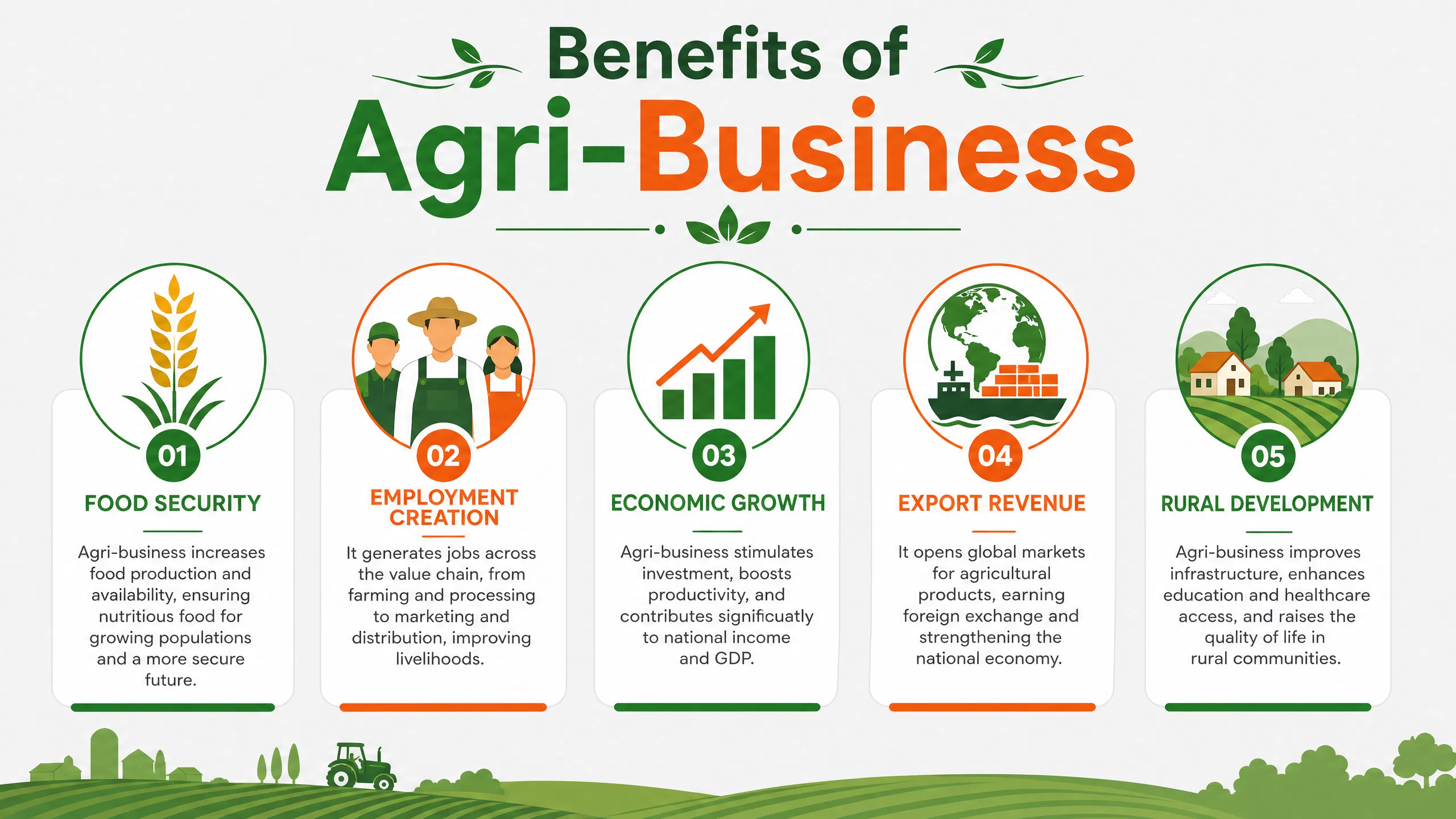
Here are some major reasons why agri-business matters:
| Benefit | Description |
|---|---|
| Food Security | Ensures stable food supply for growing populations |
| Employment Creation | Provides jobs across farming, logistics, and processing |
| Economic Growth | Contributes significantly to GDP |
| Export Revenue | Generates foreign exchange through agricultural exports |
| Rural Development | Improves livelihoods in farming communities |
Many governments and organizations are investing heavily in agri-business because it creates sustainable economic opportunities while reducing poverty.
Key Components of Agri-Business Development
Successful agri-business development depends on several interconnected sectors working together effectively.
Agricultural Production
This is the foundation of the entire agri-business system. It includes growing crops, raising livestock, aquaculture, and other farming activities.
Modern agricultural production now uses:
- Precision farming
- Irrigation systems
- Improved seed varieties
- Mechanized equipment
- Climate-smart agriculture
Farmers who adopt modern production methods often experience higher yields and better profits.
Processing and Value Addition
Raw agricultural products often have lower market value. Processing helps increase profitability by converting raw materials into finished or semi-finished goods.
Examples include:
- Milk into cheese or yogurt
- Maize into flour
- Fruits into juice
- Coffee beans into packaged coffee
Value addition also improves product shelf life and expands market opportunities.
Individuals seeking business-oriented agricultural education can explore specialized programs at Forelite Training Agricultural Courses to build industry-relevant skills.
Marketing and Distribution
Even the best agricultural products require effective marketing and distribution channels. Agri-business development includes:
- Branding
- Packaging
- Transportation
- Export management
- Retail partnerships
- Online marketing
Strong distribution systems ensure products reach consumers efficiently while maximizing profits.
Benefits of Investing in Agri-Business
Agri-business is increasingly attracting investors because of its long-term growth potential.
1. Rising Food Demand
The global population continues to grow, increasing demand for food products. This creates endless opportunities for agri-business expansion.
2. Multiple Revenue Streams
Agri-businesses can generate income from:
- Production
- Processing
- Consulting
- Exporting
- Agritourism
3. Government Incentives
Many countries offer subsidies, grants, and tax incentives to support agricultural entrepreneurship.
4. Technological Innovation
New technologies are improving productivity and reducing operational costs.
5. Sustainability Opportunities
Consumers increasingly prefer sustainable and ethically produced food products, creating new market opportunities.
Emerging Trends in Agri-Business Development
The agricultural industry is changing rapidly due to innovation and changing consumer preferences.
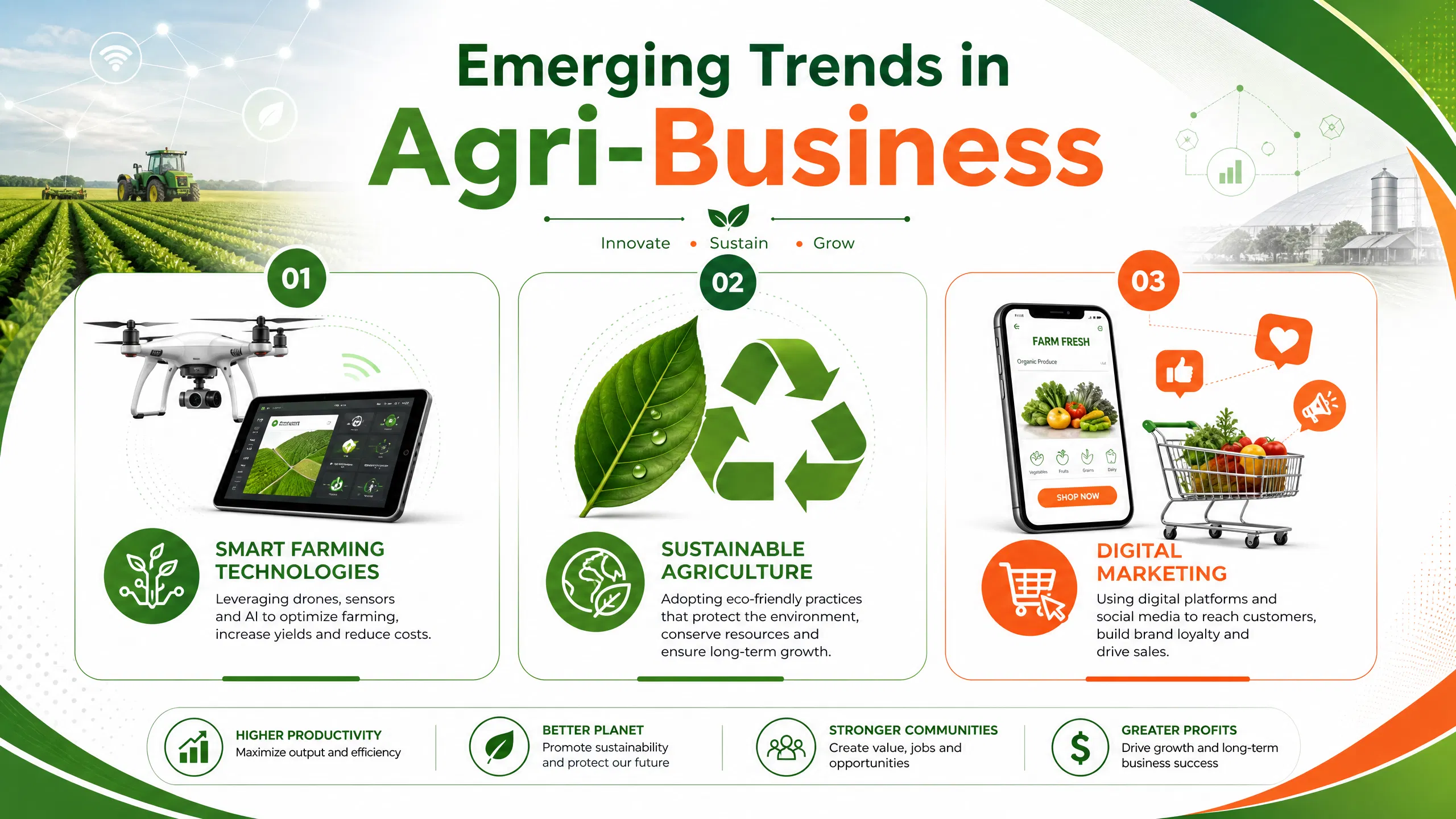
Smart Farming Technologies
Technology is transforming modern agriculture through:
- Drones
- Artificial intelligence
- GPS-guided equipment
- IoT sensors
- Automated irrigation
These technologies improve efficiency and reduce resource waste.
Sustainable Agriculture
Sustainability is becoming a central focus in agri-business development. Farmers are adopting environmentally friendly practices such as:
- Organic farming
- Water conservation
- Soil health management
- Renewable energy use
Sustainable agriculture protects ecosystems while ensuring long-term productivity.
Digital Marketing for Agricultural Products
Online platforms now help farmers and agri-business owners reach larger markets directly.
Digital tools include:
- Social media marketing
- E-commerce websites
- Mobile payment systems
- Online marketplaces
Businesses that embrace digital transformation often gain a competitive advantage.
To strengthen digital and entrepreneurial skills, professionals can access practical training through Forelite Professional Programs.
Challenges Facing Agri-Business Development
Despite its huge potential, agri-business development faces several challenges.
Climate Change
Unpredictable weather patterns, droughts, and floods can significantly impact agricultural production.
Farmers must adopt climate-smart practices to minimize risks.
Limited Access to Finance
Many small-scale farmers struggle to obtain loans or investment capital.
Financial barriers often limit expansion opportunities.
Poor Infrastructure
Weak transportation systems, limited storage facilities, and unreliable electricity affect supply chains and increase losses.
Governments and private investors play an important role in improving agricultural infrastructure.
How Training Enhances Agri-Business Success
Education and training are essential for successful agri-business development. Entrepreneurs need practical skills in management, production, technology, and marketing.
Professional agricultural training helps individuals:
- Improve farm productivity
- Understand financial planning
- Learn business management
- Adopt modern technologies
- Build leadership skills
Institutions such as Forelite Training Services offer programs that support career development and entrepreneurial growth within the agricultural sector.
Continuous learning also helps businesses remain competitive in changing markets.
Essential Skills for Agri-Business Entrepreneurs
Running a successful agri-business requires more than farming knowledge alone.
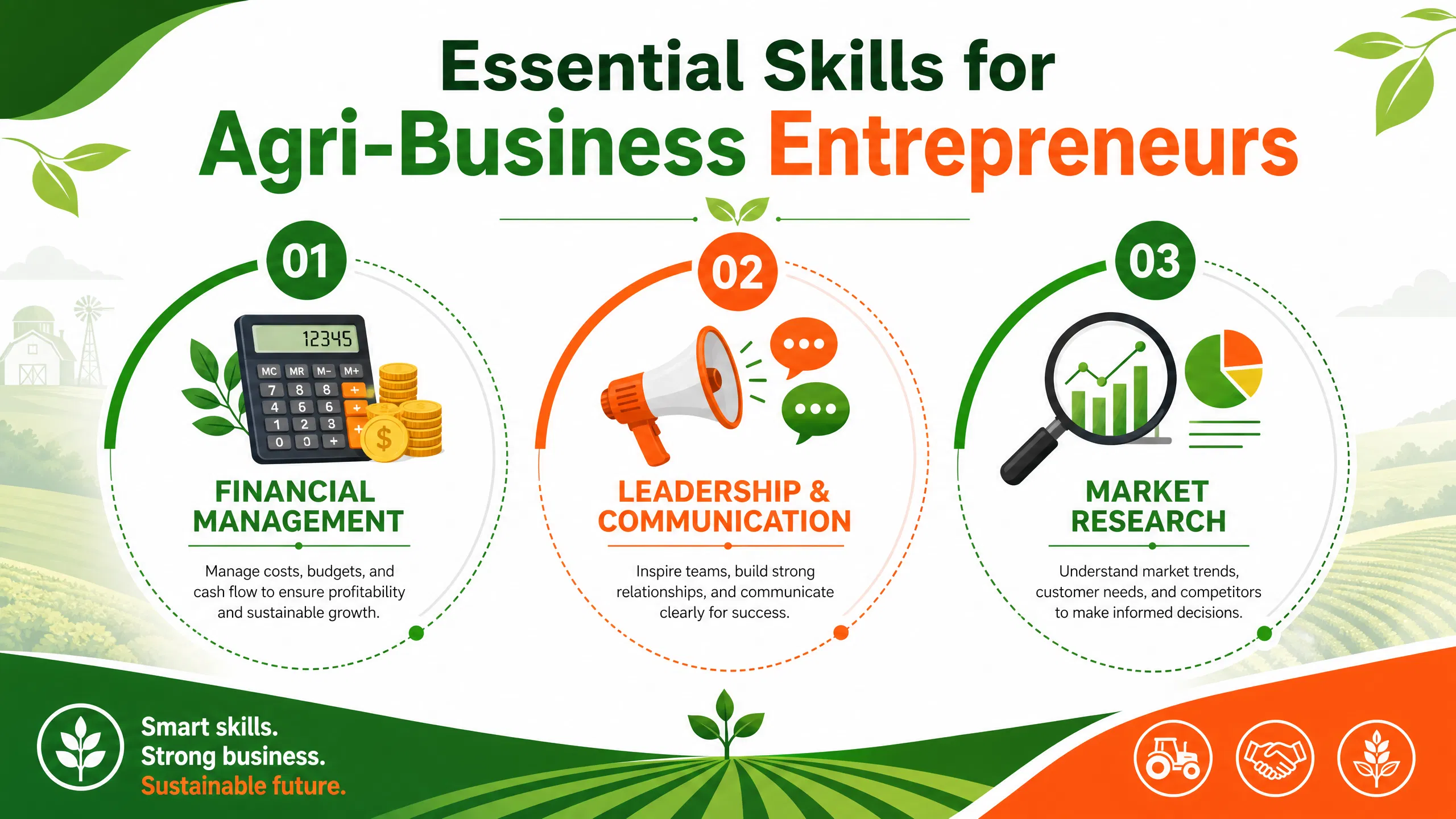
Financial Management
Entrepreneurs must understand:
- Budgeting
- Cash flow management
- Investment planning
- Pricing strategies
Strong financial management improves profitability and sustainability.
Leadership and Communication
Agri-business owners often manage workers, suppliers, and customers. Good leadership improves teamwork and operational efficiency.
Communication skills are also critical for negotiations and marketing.
Market Research
Understanding market demand helps businesses produce products consumers actually want.
Market research includes:
- Competitor analysis
- Consumer trends
- Pricing studies
- Export opportunities
Businesses that understand their markets make better strategic decisions.
Role of Technology in Agri-Business Development
Technology continues to revolutionize agriculture across the globe.
Precision Agriculture
Precision farming uses data and analytics to optimize planting, irrigation, and fertilizer application.
Benefits include:
- Increased yields
- Lower production costs
- Reduced environmental impact
Mobile Applications
Farmers now use mobile apps for:
- Weather forecasting
- Pest management
- Market pricing
- Financial services
These tools improve decision-making and productivity.
Blockchain in Agriculture
Blockchain technology improves transparency and traceability within food supply chains.
Consumers can now track products from farm to table.
Best Practices for Sustainable Agri-Business
Sustainability ensures long-term profitability and environmental protection.
Adopt Resource-Efficient Practices
Efficient use of water, energy, and fertilizers reduces costs and protects natural resources.
Diversify Income Sources
Farmers should avoid relying on a single product. Diversification reduces financial risks.
Invest in Quality Control
High-quality products build customer trust and improve market competitiveness.
Focus on Environmental Conservation
Protecting soil health and biodiversity supports future agricultural productivity.
Government Support and Policy Frameworks
Governments play a vital role in promoting agri-business development through:
- Agricultural subsidies
- Research funding
- Infrastructure development
- Training programs
- Export promotion
Supportive policies encourage investment and innovation in the agricultural sector.
Public-private partnerships also help strengthen agricultural ecosystems.
How to Start an Agri-Business Successfully
Starting an agri-business requires careful planning and strategic decision-making.
Identify a Profitable Niche
Choose a sector with strong demand and growth potential.
Examples include:
- Poultry farming
- Greenhouse farming
- Organic vegetables
- Dairy production
- Agro-processing
Develop a Business Plan
A solid business plan should include:
- Market analysis
- Financial projections
- Operational strategies
- Marketing plans
Business planning improves clarity and investor confidence.
Secure Funding
Funding sources may include:
- Bank loans
- Government grants
- Angel investors
- Agricultural cooperatives
Entrepreneurs should carefully evaluate financing options.
For guidance on entrepreneurship and professional growth, learners can explore Forelite Career Development Resources.
Future Opportunities in Agri-Business Development
The future of agri-business development looks extremely promising.
Emerging opportunities include:
- Urban farming
- Agritech startups
- Organic food production
- Renewable energy integration
- Export-oriented agriculture
- Vertical farming
As global food systems evolve, innovative agri-business solutions will become even more valuable.
Young entrepreneurs especially have tremendous opportunities to transform agriculture using technology and modern business practices.
Frequently Asked Questions
What is agri-business development?
Agri-business development involves improving agricultural enterprises through innovation, management, marketing, and technology to increase productivity and profitability.
Why is agri-business important?
Agri-business supports food security, economic growth, employment creation, and rural development.
What are the main sectors in agri-business?
Major sectors include farming, food processing, agricultural marketing, logistics, agritech, and export businesses.
How can technology improve agri-business?
Technology improves efficiency through precision farming, automation, mobile apps, and digital marketplaces.
What challenges affect agri-business development?
Common challenges include climate change, limited financing, poor infrastructure, and market access issues.
How can I start an agri-business?
Start by identifying a profitable niche, developing a business plan, securing funding, and gaining industry knowledge through training and research.
Conclusion
Agri-business development is one of the most powerful tools for creating sustainable economic growth, improving food security, and empowering communities worldwide. By combining agriculture with entrepreneurship, innovation, and technology, businesses can unlock enormous opportunities across the agricultural value chain.
Modern agri-business is no longer limited to traditional farming methods. Today, successful agricultural enterprises rely on strategic planning, market research, digital transformation, and sustainable practices to remain competitive.
As the global demand for food continues to rise, the future of agri-business development will depend on innovation, education, and resilience. Entrepreneurs who invest in skills, technology, and sustainability will be best positioned for long-term success.
Whether you are a farmer, investor, student, or entrepreneur, the agri-business sector offers tremendous opportunities for growth and impact.