Beyond the Boardroom: Bridging the Trillion-Dollar Gap Between Vision and Ground-Level Reality

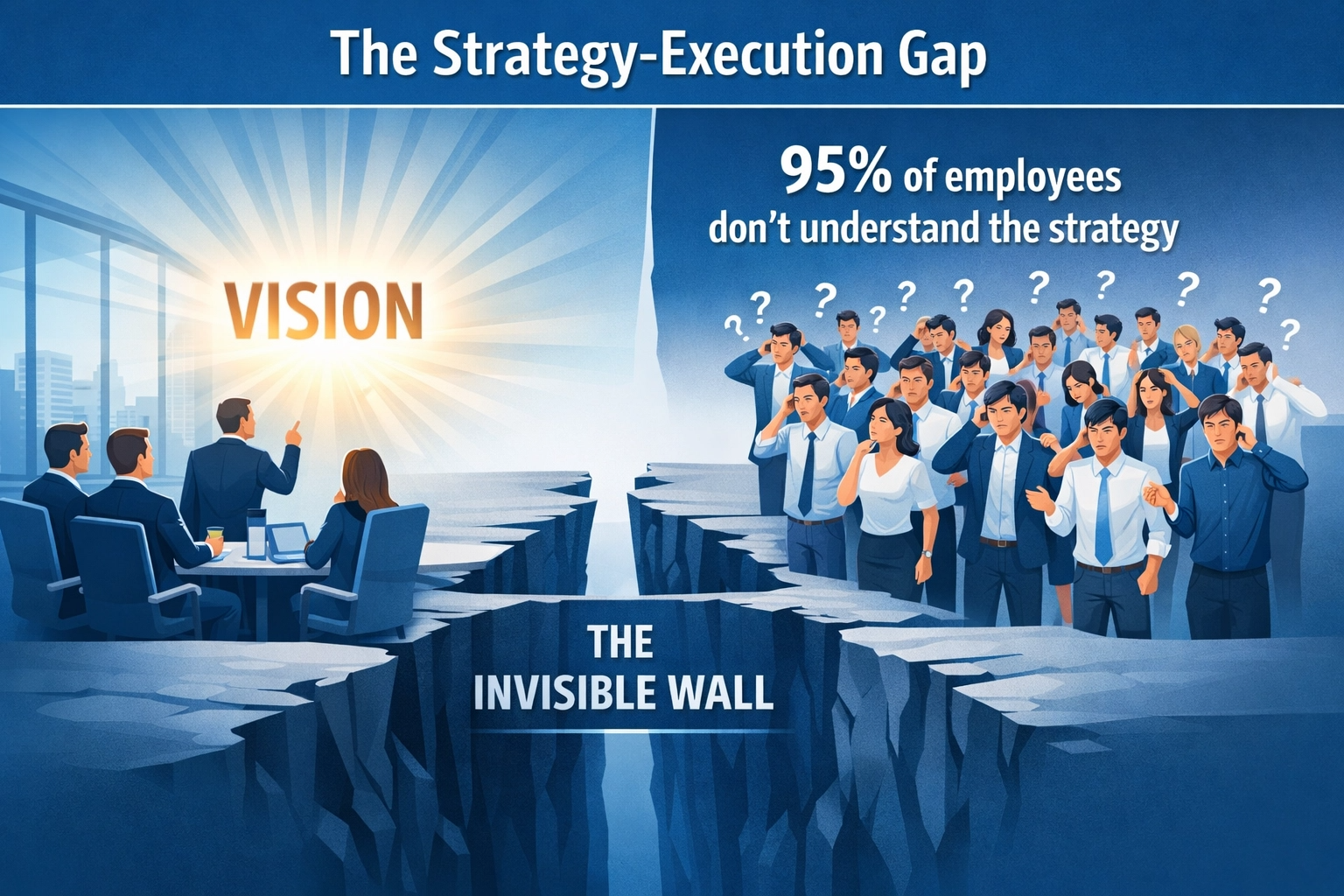
Introduction: The Invisible Wall in Modern Leadership
Why Vision Alone Fails: The Psychology of Misalignment
Translating Strategy into “Ground-Level” Language
The Middle Manager: The Critical Bridge

Aligning Culture with Strategic Intent
Practical Steps to Close the Gap
Frequently Asked Questions (FAQs)
What is the “trillion-dollar gap” in organizational leadership?
The “trillion-dollar gap” refers to the massive economic cost of misalignment between boardroom vision and ground-level execution. Research indicates that when strategies are not clearly understood or effectively implemented across an organization, the resulting inefficiencies, missed opportunities, and failed initiatives collectively amount to trillions in lost value. Studies show that up to 95% of employees are unaware of or do not understand their company’s strategy, highlighting the scale of this disconnect.
Why does vision alone often fail to drive results?
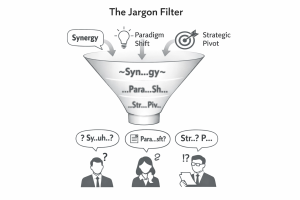
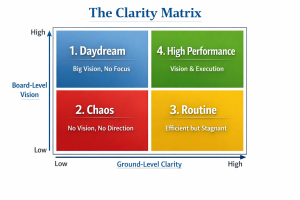
Vision alone fails because it remains abstract without a clear pathway to execution. Leaders often suffer from the “Strategic Alignment Illusion”—assuming their directives are understood throughout the organization when, in reality, teams are 50% less clear than their bosses on company strategy. This gap is exacerbated by jargon-heavy communication that creates organizational friction. Without translation into actionable, ground-level language, a compelling vision becomes little more than a corporate daydream.
What role do middle managers play in bridging the strategy-execution gap?
Middle managers serve as the critical bridge between boardroom strategy and frontline execution. They are uniquely positioned to translate abstract visions into concrete tasks, provide context, and motivate teams to achieve strategic goals. However, their effectiveness is often hampered by a lack of information or empowerment. When equipped with the right tools, training, and autonomy, middle managers become powerful catalysts for change, transforming strategic directives into daily operational reality.
How does organizational culture impact strategy execution?
As Peter Drucker famously stated, “Culture eats strategy for breakfast.” Even the most brilliant strategy will fail if it clashes with prevailing organizational culture. When culture through outdated practices, poor communication, or lack of accountability contradicts strategic goals, execution falters. Leaders must intentionally cultivate a culture that supports and reinforces strategic objectives by modeling desired behaviors, recognizing aligned outcomes, and establishing consistent accountability mechanisms.
What practical steps can leaders take to close the strategy-execution gap?
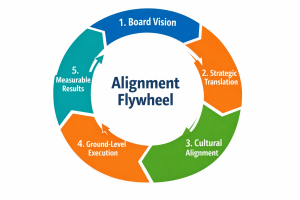
Leaders can close the gap by implementing several key practices:
-
Establish Reverse Visioning: Create robust feedback loops that invite insights from ground-level employees to inform strategic refinement.
-
Increase Transparency: Ensure strategy is accessible to all employees—currently only 27% have access to their company’s strategy.
-
Translate into Ground-Level Language: Move beyond abstract KPIs to craft narratives that connect daily tasks to strategic objectives.
-
Empower Middle Managers: Provide training and autonomy to those serving as the critical link between vision and execution.
-
Align Culture with Strategy: Intentionally shape organizational culture to support and propel strategic goals forward.

Conclusion: From Daydream to Reality
References