

Fintech Compliance: 9 Powerful Strategies for Regulatory Success in Digital Finance

Fintech Compliance: 9 Powerful Strategies for Regulatory Success in Digital Finance
Fintech compliance has become one of the most important priorities for banks, startups, payment providers, and digital financial platforms. As technology transforms financial services, regulators worldwide are tightening requirements around anti-money laundering (AML), cybersecurity, consumer protection, and digital asset governance.
From mobile banking apps to blockchain-powered payment systems, fintech firms must operate within strict legal frameworks while still delivering innovation and speed. Companies that fail to comply face hefty fines, reputational damage, and loss of customer trust.
Organizations now recognize that compliance is no longer just a legal obligation. It is a competitive advantage. Businesses that invest in strong compliance systems are more likely to attract investors, build customer confidence, and scale internationally.
Professionals seeking practical expertise in this area can benefit from specialized programs such as ForElite Training Institute and their Training on Regulatory and Compliance in Fintech and Blockchain, which covers AML, KYC, blockchain governance, and global fintech regulations.
Understanding Fintech Compliance
What Is Fintech Compliance?
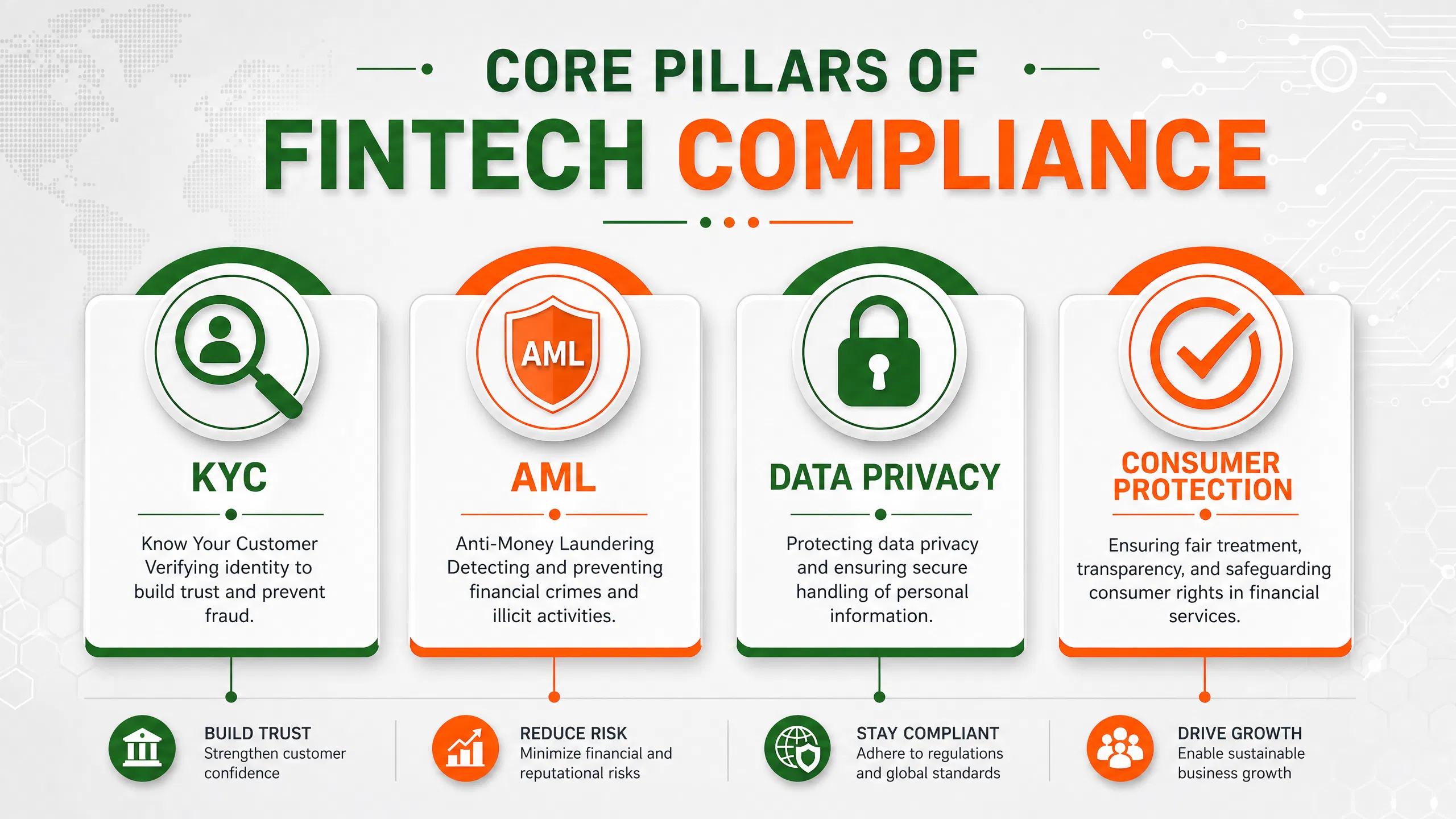
Fintech compliance refers to the processes, policies, and technologies financial technology companies use to comply with laws, regulations, and industry standards. These regulations are designed to protect customers, prevent financial crimes, and maintain market integrity.
Compliance areas commonly include:
- Anti-money laundering (AML)
- Know Your Customer (KYC)
- Cybersecurity
- Consumer protection
- Data privacy
- Fraud prevention
- Digital asset regulation
Fintech businesses must often comply with multiple regulatory bodies across different jurisdictions, making compliance increasingly complex.
Why Compliance Matters in Financial Technology
Compliance protects both businesses and consumers. Without proper controls, fintech systems could become vulnerable to fraud, hacking, or illegal financial activities.
Strong compliance programs help organizations:
- Avoid penalties and sanctions
- Improve customer trust
- Reduce operational risks
- Support sustainable growth
- Build investor confidence
Courses like Training on Financial Technology (FinTech) and Financial Innovation help professionals understand how innovation and compliance work together in modern finance.
Key Regulatory Frameworks in Fintech
AML and KYC Regulations
AML and KYC regulations are essential pillars of fintech compliance. Financial institutions must verify customer identities, monitor suspicious transactions, and report illegal activities.
These frameworks reduce risks related to:
- Money laundering
- Terrorist financing
- Identity theft
- Fraudulent transactions
Many fintech firms now use AI-powered identity verification systems to streamline KYC processes while maintaining regulatory standards.
Data Protection and Privacy Laws
Data privacy regulations such as GDPR and other regional laws require fintech firms to secure customer information and ensure transparency in data handling.
Key compliance obligations include:
- Obtaining user consent
- Protecting sensitive financial data
- Reporting data breaches
- Implementing cybersecurity controls
Cybersecurity training and governance programs offered by ForElite Digital Transformation Courses can help organizations strengthen compliance readiness.
Open Banking and PSD2
Open banking regulations encourage secure data sharing between banks and third-party providers. PSD2 in Europe introduced stricter authentication measures and customer protection requirements.
This has increased the need for:
- Secure APIs
- Multi-factor authentication
- Transaction monitoring
- Vendor risk management
Major Compliance Risks Facing Fintech Companies
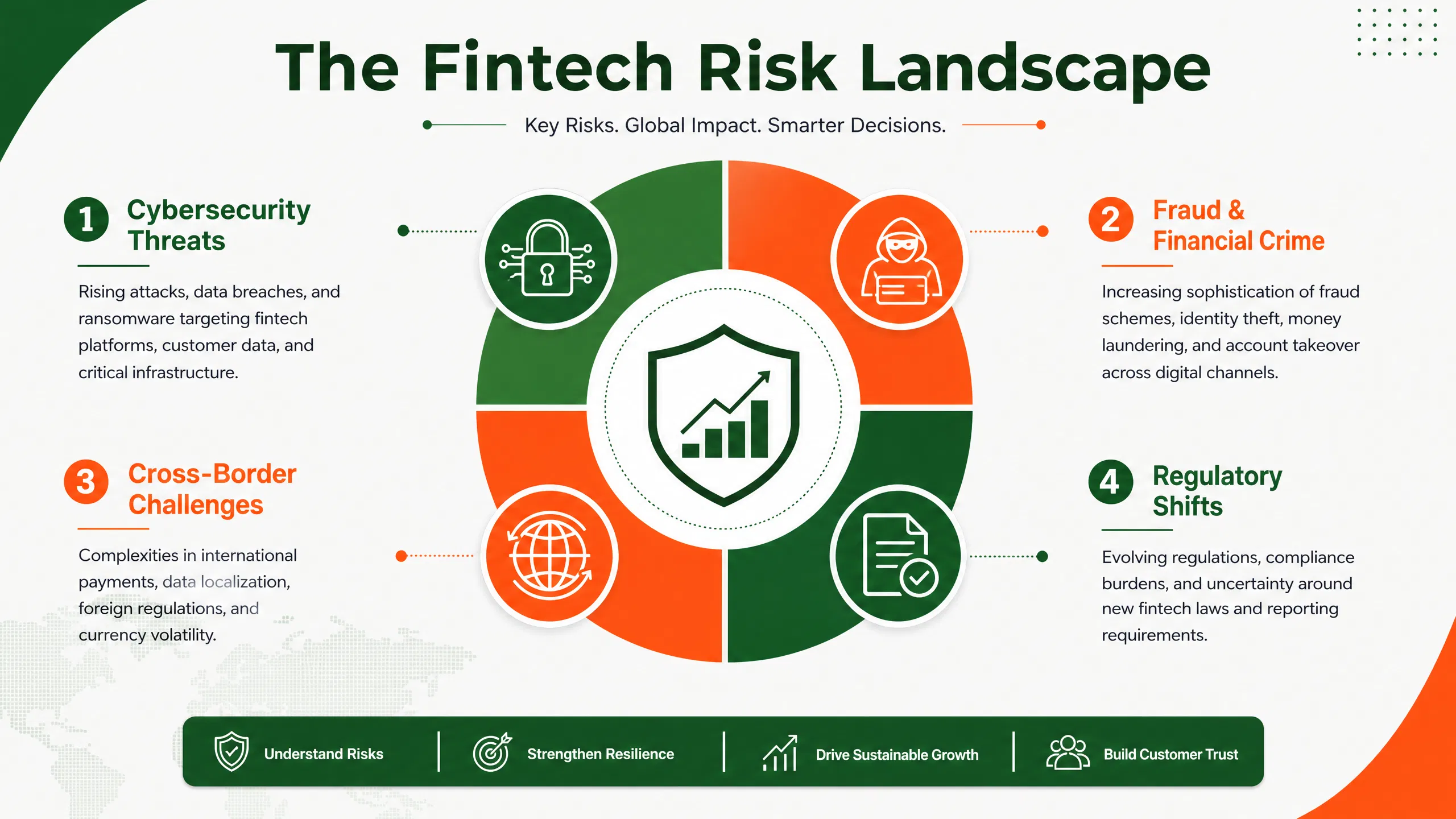
Cybersecurity Threats
Cyberattacks remain one of the biggest risks in fintech. Hackers target payment systems, customer databases, and digital wallets.
Common threats include:
- Phishing attacks
- Ransomware
- API vulnerabilities
- Insider threats
Fintech firms must invest heavily in security infrastructure and employee awareness training.
Fraud and Financial Crime
Fraud continues evolving alongside digital innovation. Criminals exploit weaknesses in onboarding systems and payment platforms.
Compliance teams use:
- Transaction monitoring systems
- AI-driven fraud detection
- Behavioral analytics
- Blockchain tracking tools
Cross-Border Regulatory Challenges
Fintech firms operating internationally face varying legal requirements across countries. What is allowed in one jurisdiction may be restricted elsewhere.
Challenges include:
- Licensing requirements
- Tax regulations
- Data localization laws
- Digital asset restrictions
Global regulatory awareness is critical for scaling fintech operations successfully.
Building an Effective Fintech Compliance Program
Compliance-by-Design Approach
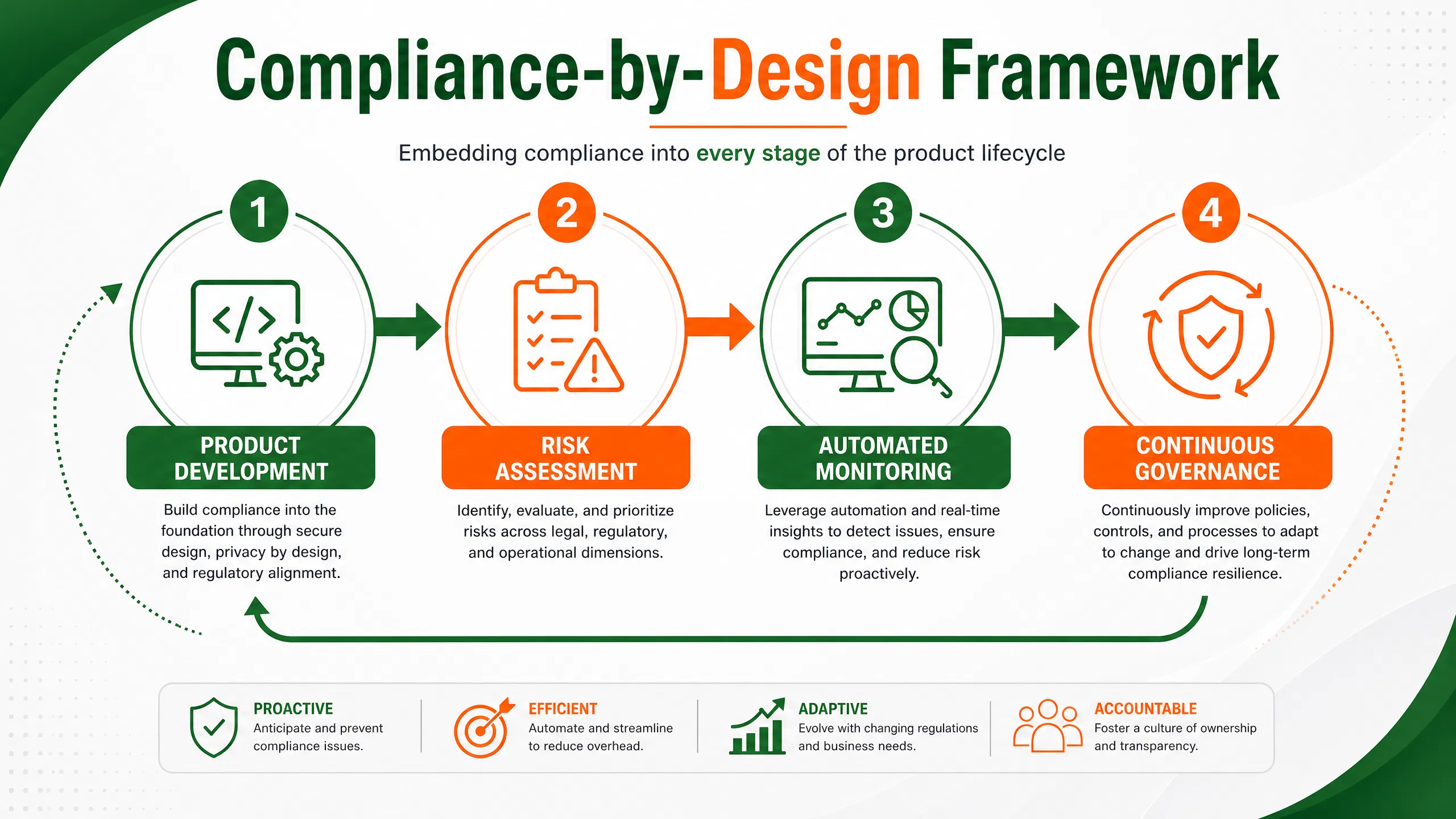
Modern fintech companies integrate compliance into product development from the beginning. This “compliance-by-design” model reduces future risks and avoids costly redesigns.
Benefits include:
- Faster regulatory approvals
- Reduced operational risk
- Improved audit readiness
- Better customer trust
The Regulatory and Compliance in Fintech and Blockchain Course emphasizes practical compliance-by-design strategies for fintech professionals.
Risk Assessment and Monitoring
Regular risk assessments help fintech firms identify vulnerabilities early. Monitoring tools can track unusual transactions and suspicious behaviors in real time.
Key monitoring areas include:
- Customer activity
- Payment flows
- Vendor risks
- System access controls
Internal Controls and Governance
Strong governance structures improve accountability and compliance effectiveness.
Important governance practices include:
- Independent compliance teams
- Internal audits
- Clear reporting lines
- Board oversight
Role of Technology in Fintech Compliance
AI and Automation in Compliance
Artificial intelligence is transforming fintech compliance by automating repetitive tasks.
AI helps with:
- Fraud detection
- Transaction screening
- Customer verification
- Regulatory reporting
Automation reduces human error while improving efficiency.
Blockchain for Transparency
Blockchain technology improves traceability and transaction transparency. Regulators increasingly explore blockchain-based compliance solutions for auditing and fraud prevention.
RegTech Solutions
RegTech combines regulatory expertise with technology solutions. These platforms help firms automate compliance tasks and manage changing regulations.
Popular RegTech functions include:
- Real-time monitoring
- Risk analytics
- Identity verification
- Compliance reporting
Fintech Compliance Training and Professional Development
Importance of Compliance Training
Compliance training ensures employees understand legal responsibilities and regulatory expectations.
Training improves:
- Risk awareness
- Regulatory understanding
- Ethical decision-making
- Operational consistency
Organizations that prioritize compliance education are better equipped to handle evolving regulations.
Best Fintech Courses for Professionals
Professionals looking to build expertise can explore programs such as:
- Training on Regulatory and Compliance in Fintech and Blockchain
- Training on Financial Technology (FinTech) and Financial Innovation
- Digital Transformation and Emerging Technologies Courses
- Cybersecurity and Data Protection Short Courses
- Blockchain and Web3 for Governance Short Courses
These programs focus on practical skills, regulatory frameworks, and real-world fintech compliance challenges.
Global Trends Shaping Fintech Compliance
Digital Asset Regulations
Governments worldwide are introducing stricter regulations for cryptocurrencies, stablecoins, and decentralized finance platforms.
Compliance areas include:
- Crypto exchange licensing
- Wallet monitoring
- Tax reporting
- Investor protection
Central Bank Digital Currencies
CBDCs are becoming a major focus for regulators and financial institutions. These digital currencies may reshape payments, banking, and monetary policy.
ESG and Sustainable Finance Compliance
Environmental, social, and governance (ESG) reporting is gaining importance in fintech. Investors increasingly expect transparency around ethical and sustainable business practices.
Challenges Startups Face with Fintech Compliance
Budget Constraints
Startups often struggle with limited resources. Building comprehensive compliance systems can be expensive.
However, ignoring compliance can cost far more through penalties and reputational damage.
Scaling Compliance Operations
As fintech companies grow, compliance operations become more complex. Scaling requires stronger systems, larger teams, and better governance frameworks.
Best Practices for Maintaining Regulatory Compliance
Continuous Monitoring
Regulations evolve constantly. Fintech firms should regularly update policies and systems to remain compliant.
Strong Documentation
Maintaining detailed records supports audits, investigations, and regulatory reporting.
Regulatory Collaboration
Working closely with regulators can help organizations understand evolving expectations and reduce compliance risks.
Frequently Asked Questions
What is fintech compliance?
Fintech compliance involves following laws and regulations related to digital financial services, including AML, KYC, cybersecurity, and consumer protection.
Why is fintech compliance important?
It protects businesses and consumers from fraud, legal penalties, cybersecurity threats, and reputational damage.
What are the biggest fintech compliance challenges?
Major challenges include changing regulations, cybersecurity risks, fraud prevention, and cross-border compliance requirements.
How does AML affect fintech companies?
AML regulations require fintech firms to monitor transactions, verify customer identities, and report suspicious activities.
What is RegTech?
RegTech refers to technology solutions designed to automate and improve regulatory compliance processes.
Where can professionals learn fintech compliance skills?
Programs like ForElite Training Institute Courses offer specialized fintech compliance and blockchain training.
Conclusion
Fintech compliance is no longer optional in today’s rapidly evolving digital economy. As regulators tighten oversight and consumers demand stronger protections, organizations must prioritize compliance, cybersecurity, and ethical governance.
Businesses that invest in proactive compliance strategies gain a competitive edge through improved trust, operational resilience, and global scalability. Whether dealing with blockchain regulations, AML requirements, or digital payment governance, compliance remains the foundation of sustainable fintech growth.
Professional training and continuous learning are critical for staying ahead of emerging regulations and technological shifts. Specialized programs from institutions like ForElite Training Institute provide valuable expertise for professionals seeking to strengthen fintech compliance capabilities.