The Future of Engineering: How AI and Machine Learning are Redefining the Industry in 2026

Introduction: Engineering’s AI-Native Evolution
The engineering landscape is undergoing an unprecedented transformation, shifting from a traditional, digital-first approach to an AI-native paradigm. This profound shift, driven by the rapid advancements in Artificial Intelligence (AI) and Machine Learning (ML), is not merely an incremental improvement but a fundamental redefinition of engineering practices across all sectors. From optimizing complex designs to predicting infrastructure failures and fostering sustainable solutions, AI and ML are becoming indispensable tools for the modern engineer. This article delves into the transformative impact of these technologies, explores their current and emerging applications, and highlights the critical need for continuous professional development to thrive in this evolving field.
Understanding the Core: AI vs. Machine Learning in Engineering
To fully grasp the revolution underway, it is essential to differentiate between Artificial Intelligence and Machine Learning, and understand their synergistic roles in engineering.
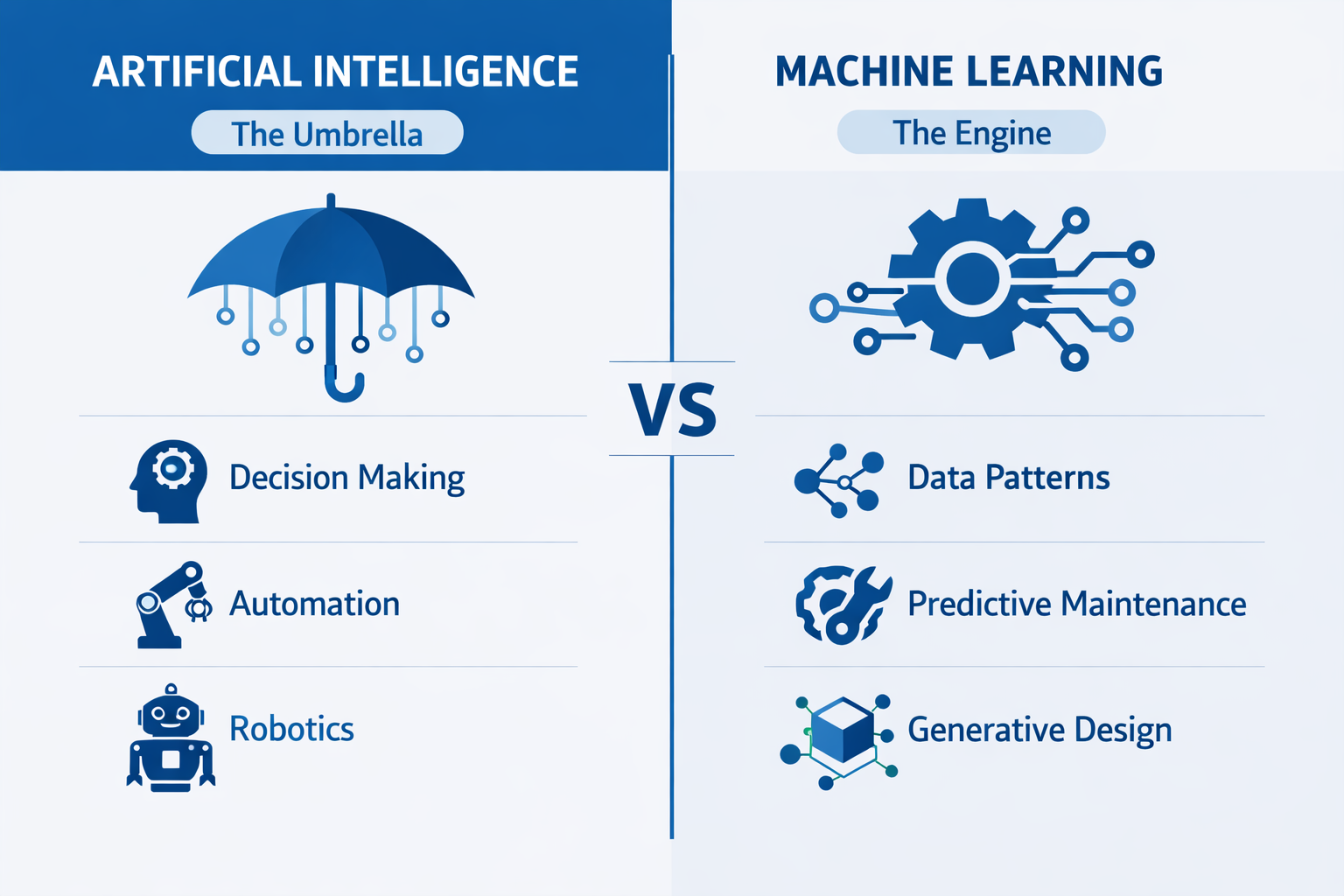
Artificial Intelligence (AI) encompasses machines designed to simulate human intelligence, enabling them to perform tasks that typically require human cognitive abilities such as decision-making, problem-solving, and automation. It’s the broader concept of creating intelligent machines that can reason, learn, and act autonomously.
Machine Learning (ML), a crucial subset of AI, empowers systems to learn from vast datasets, identify patterns, and improve their performance over time without explicit programming. In engineering, ML algorithms are the engine behind predictive analytics, generative design, and advanced automation, allowing systems to adapt and optimize based on experience.
Together, AI and ML enable engineers to analyze unprecedented volumes of data, automate repetitive tasks, and unlock innovative solutions that were previously unimaginable. The global AI engineering market, valued at an estimated $20.50 billion in 2025, is projected to surge to $26.51 billion in 2026 , underscoring the rapid adoption and economic significance of these technologies.
Generative Design and AI-Driven Simulation: Reshaping the Design Process
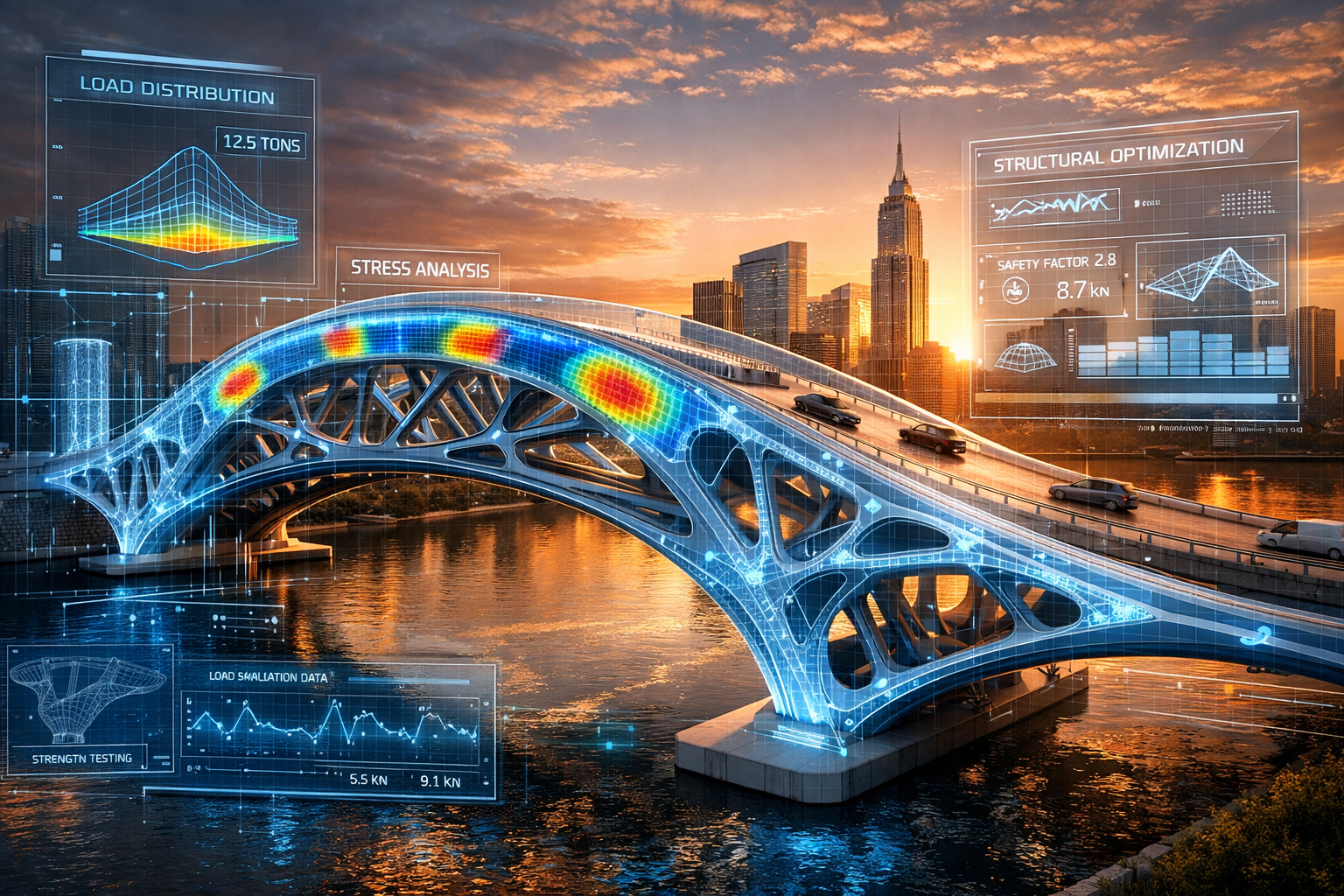
One of the most impactful applications of AI and ML in engineering is in the realm of design and simulation. Generative design, powered by AI algorithms, allows engineers to rapidly explore thousands, even millions, of design variations based on specified parameters such as material, manufacturing constraints, and performance requirements. This iterative process far surpasses human capabilities, leading to optimized, lightweight, and often counter-intuitive designs that enhance efficiency and reduce material waste.
For instance, in civil and mechanical engineering, AI-driven simulation tools can predict the performance of complex structures or components under various conditions with remarkable accuracy. This includes stress analysis, aerodynamic modeling, and thermal performance, significantly reducing the need for costly physical prototypes and accelerating the design cycle. The global generative AI in product design & engineering market is projected to reach $7.02 billion in 2026 , highlighting its growing importance.
Engineers seeking to master these cutting-edge design methodologies can significantly benefit from specialized training. Programs focusing on Building Information Modelling (BIM) and Computer-Aided Design (CAD) are crucial for integrating AI-powered tools into their workflows, ensuring they remain at the forefront of innovation.
Predictive Maintenance 2.0: From Sensors to Digital Twins
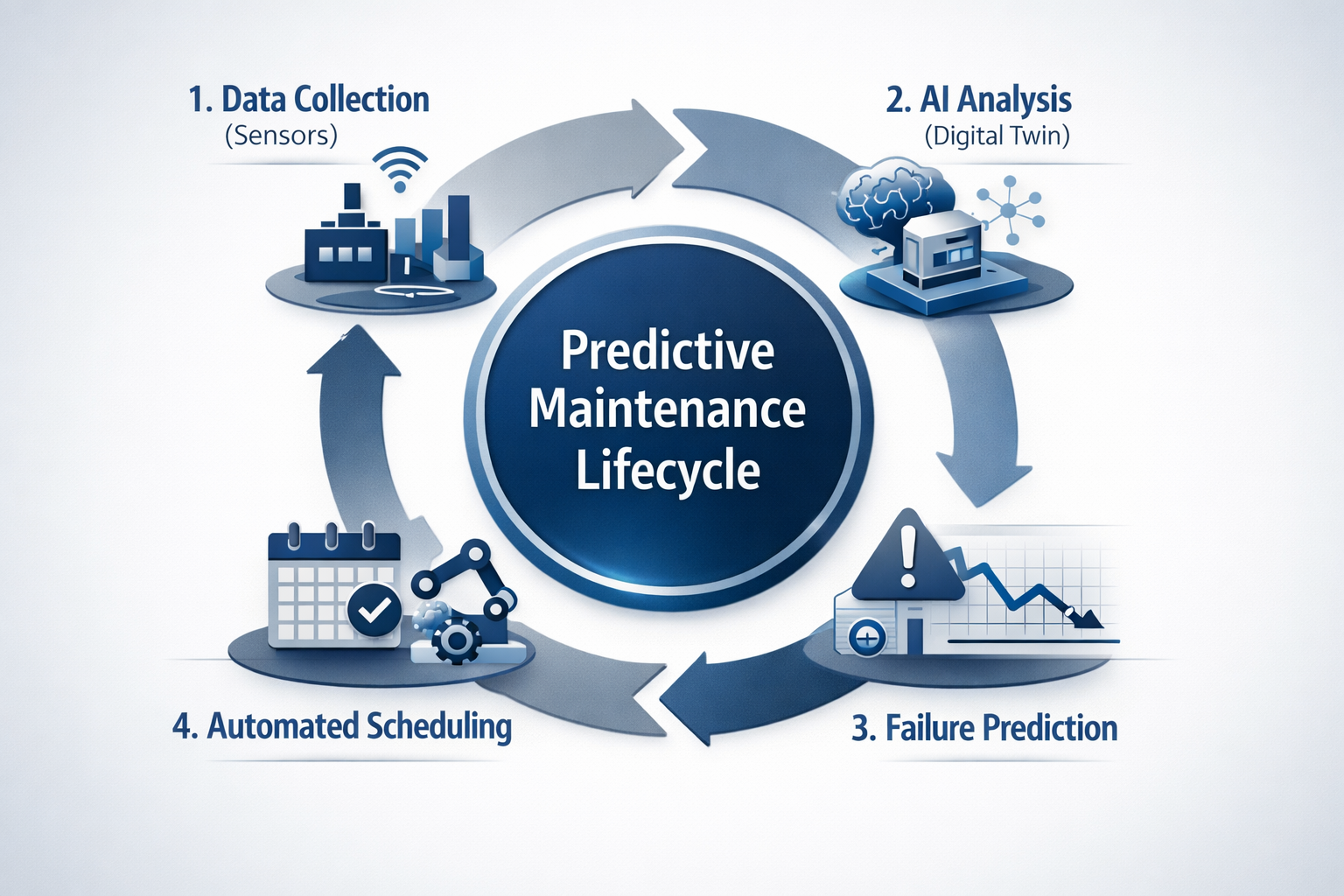
The evolution of predictive maintenance, driven by AI and ML, represents a paradigm shift from reactive or scheduled maintenance to proactive, data-driven interventions. By deploying an array of sensors on machinery and infrastructure, engineers can collect vast amounts of real-time operational data. ML algorithms then analyze this data to identify subtle anomalies and predict potential equipment failures long before they occur.
This advanced form of predictive maintenance often leverages digital twins – virtual replicas of physical assets. These digital twins are continuously updated with real-time sensor data, allowing AI models to simulate various scenarios, assess asset health, and forecast remaining useful life. The benefits are substantial: reduced downtime, optimized maintenance schedules, extended asset lifespan, and significant cost savings. For example, in manufacturing, AI-driven predictive maintenance can prevent costly production halts, ensuring continuous operation and maximizing output.
The Rise of Physical AI: Robotics in Construction and Manufacturing
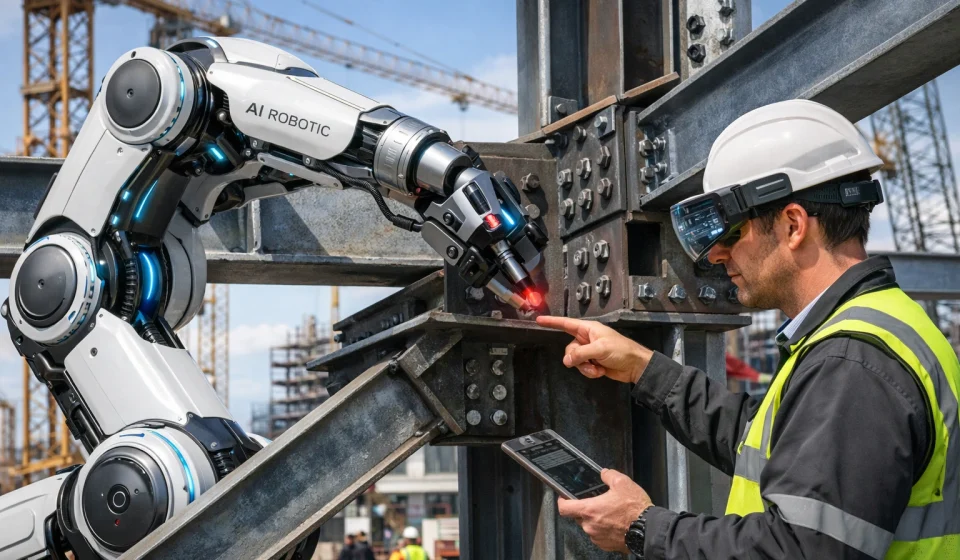
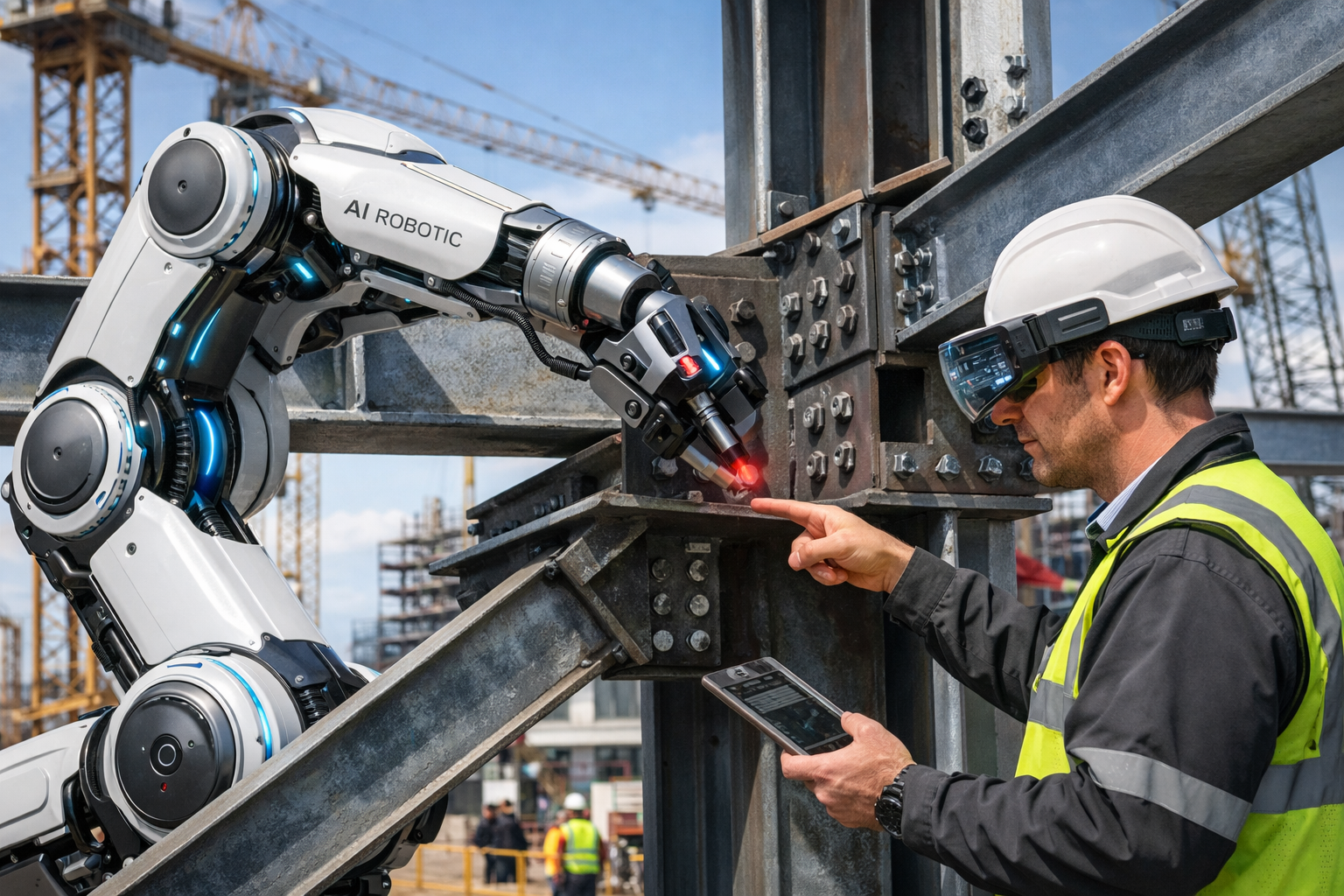
The concept of Physical AI is rapidly moving from theoretical discussions to tangible applications, representing the next frontier in engineering. Physical AI integrates advanced robotics with sophisticated AI algorithms, enabling machines to interact intelligently with the physical world, navigate complex environments, and perform tasks with unprecedented precision and autonomy. This goes beyond traditional automation, as Physical AI systems can learn, adapt, and make decisions in dynamic, unstructured settings.
In construction, Physical AI manifests as autonomous construction equipment, robotic bricklayers, and drones performing site inspections and progress monitoring. In manufacturing, collaborative robots (cobots) work alongside human engineers, handling intricate assembly tasks or heavy lifting with enhanced safety and efficiency. This collaboration between humans and intelligent machines is redefining productivity and safety standards across industries. As InfoQ’s 2025 report suggests, Physical AI is indeed the
“next frontier” for 2025-2026 .
Sustainability: AI as the Engine for Net-Zero Engineering
As the world grapples with climate change and resource scarcity, AI is emerging as a powerful ally in the pursuit of sustainable engineering. AI and ML algorithms can optimize resource utilization, minimize waste, and enhance the energy efficiency of systems and processes across various engineering disciplines. From smart grids that balance energy supply and demand to AI-driven material selection that prioritizes eco-friendly options, these technologies are instrumental in achieving net-zero goals.
In urban planning, AI can analyze vast datasets related to traffic patterns, energy consumption, and waste generation to design more sustainable cities. In manufacturing, AI optimizes production lines to reduce energy usage and material scrap. The ability of AI to process complex environmental data and identify optimal solutions makes it an indispensable tool for engineers committed to building a more sustainable future. Embracing Digital Transformation and Emerging Technologies is crucial for engineers looking to leverage AI for environmental impact.
The Skills Gap: Why Professional Development is Non-Negotiable
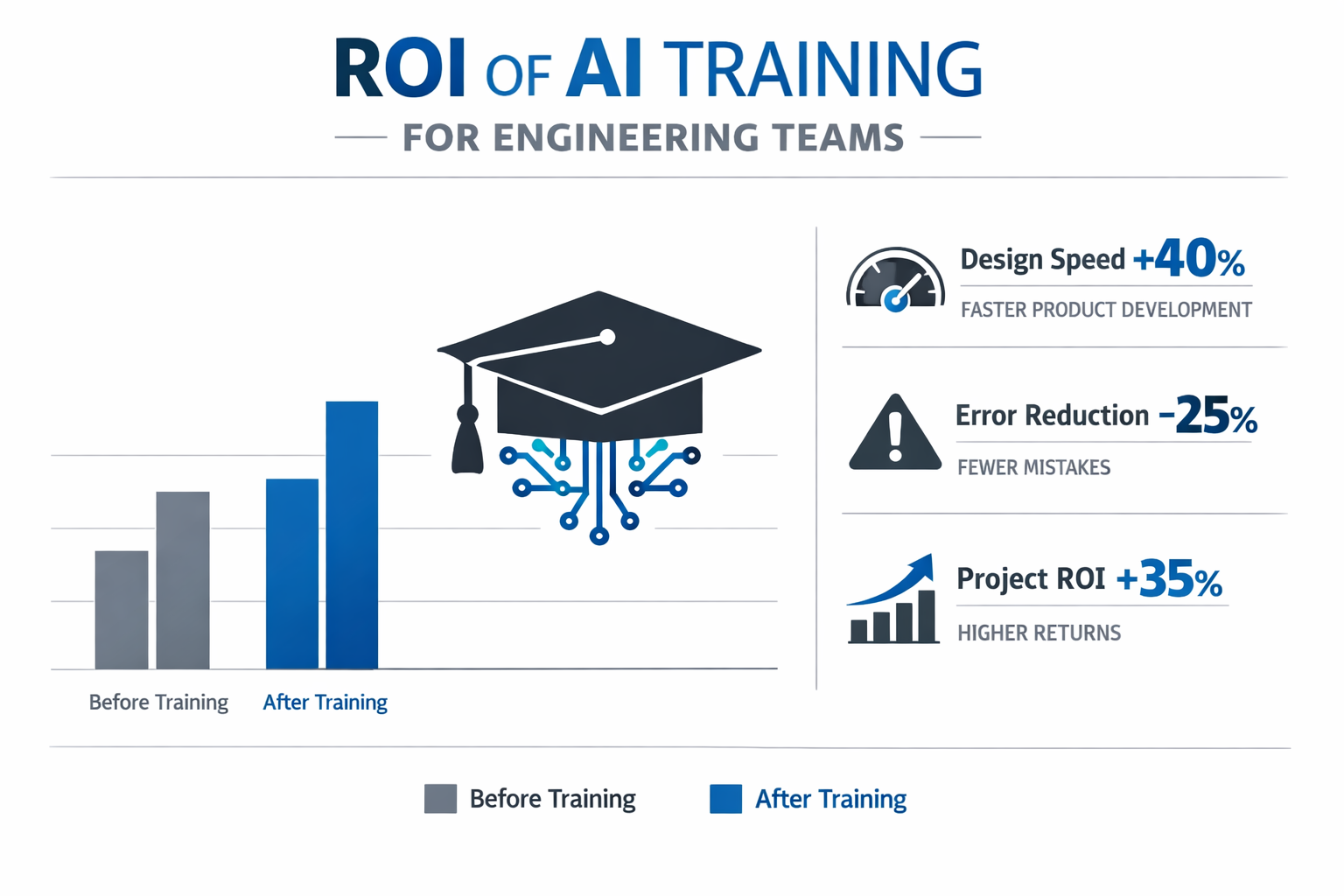
The rapid integration of AI and ML into engineering has created a significant skills gap. While AI promises substantial efficiency gains—with companies predicting up to 38% efficiency improvements if employees are equipped with the right skills —the demand for AI-proficient engineers far outstrips the current supply. In fact, AI skills have officially become the most difficult to find in the job market, surpassing traditional IT and engineering roles .
This evolving landscape necessitates a proactive approach to professional development. Engineers must continuously update their skill sets to remain relevant and competitive. Training programs that cover the fundamentals of AI, data science, and machine learning, particularly with practical applications in engineering, are becoming essential. Forelite Training offers comprehensive programs such as the Introduction to AI, Data Science & Machine Learning with Python course, designed to equip engineers with these critical competencies.
Furthermore, the shift towards AI-augmented teams, with Gartner predicting that 80% of organizations will evolve large software engineering teams into smaller, AI-augmented teams by 2030 , underscores the importance of adapting to new collaborative models where humans and AI work in synergy. Engineers must not only understand AI but also learn how to effectively integrate it into their daily workflows.
Frequently Asked Questions (FAQs)
What is the primary difference between AI and Machine Learning in an engineering context?
Artificial Intelligence (AI) is the broader concept of creating machines that can simulate human intelligence to perform tasks like decision-making and problem-solving. Machine Learning (ML) is a subset of AI that focuses on enabling systems to learn from data patterns and improve performance without explicit programming. In engineering, AI provides the overarching intelligent system, while ML often serves as the engine for predictive analytics, generative design, and adaptive automation within that system.
How is AI transforming traditional engineering design processes?
A2: AI is revolutionizing engineering design through generative design and AI-driven simulation. Generative design algorithms rapidly explore countless design variations based on specified parameters, leading to optimized, innovative, and efficient solutions. AI-driven simulation tools accurately predict component performance under various conditions, significantly reducing the need for physical prototypes and accelerating the design cycle.
What is ‘Physical AI’ and why is it important for the future of engineering?
A3: Physical AI integrates advanced robotics with sophisticated AI algorithms, allowing machines to interact intelligently with the physical world. It’s important because it enables autonomous systems to navigate complex environments, perform tasks with precision, and adapt to dynamic situations. This leads to advancements in areas like autonomous construction equipment, collaborative robots in manufacturing, and intelligent infrastructure, enhancing productivity and safety.
What skills are most critical for engineers to acquire to thrive in an AI-driven industry?
A4: To thrive in an AI-driven engineering industry, critical skills include a strong understanding of AI and Machine Learning fundamentals, data science, programming (especially Python), and expertise in AI-powered tools like advanced CAD and BIM software. Additionally, skills in data interpretation, problem-solving, and continuous learning are essential, as the field is rapidly evolving. The ability to collaborate effectively with AI systems is also becoming paramount.
How can engineers stay updated with the rapid advancements in AI and ML?
A5: Engineers can stay updated through continuous professional development, including specialized training courses, workshops, and certifications in AI, Machine Learning, and related emerging technologies. Engaging with industry publications, attending conferences, and participating in online learning platforms are also crucial. Organizations like Forelite Training offer programs such as “Introduction to AI, Data Science & Machine Learning with Python” and “Digital Transformation and Emerging Technologies” to help engineers acquire and refine these essential skills.
Conclusion: Navigating the AI-Powered Engineering Horizon
The future of engineering is undeniably intertwined with the advancements in Artificial Intelligence and Machine Learning. These technologies are not just tools; they are fundamental drivers of innovation, efficiency, and sustainability across the industry. From generative design and predictive maintenance to the rise of physical AI and its role in sustainable practices, the impact is profound and far-reaching.
For engineers, this era presents both challenges and immense opportunities. Staying ahead requires a commitment to continuous learning and adaptation. Investing in professional development, such as specialized courses in AI, ML, BIM, and CAD, is no longer optional but a strategic imperative. By embracing these powerful technologies and acquiring the necessary skills, engineers can not only navigate but also actively shape the AI-powered engineering horizon, driving progress and delivering solutions that benefit society as a whole.
References