


Introduction to Non Profit Contract Management
What is Non Profit Contract Management?
Non profit contract management refers to the structured process of creating, executing, monitoring, and closing agreements between NGOs and stakeholders such as donors, suppliers, and implementing partners. It ensures that all parties fulfill their obligations effectively.
In donor-funded environments, contract management is not just administrative, it’s strategic. Organizations must ensure compliance, transparency, and accountability while delivering impactful results.
Importance in Donor-Funded Projects
Nonprofits rely heavily on donor funding, making compliance and reporting critical. Effective contract management helps organizations:
- Ensure proper use of funds
- Maintain donor trust
- Avoid legal disputes
- Achieve project objectives
Training programs like Training on Contract Management for NGOs and Donor-Funded Projects emphasize that strong contract management improves accountability, reduces fraud risks, and enhances project delivery outcomes.
Key Components of Contract Management
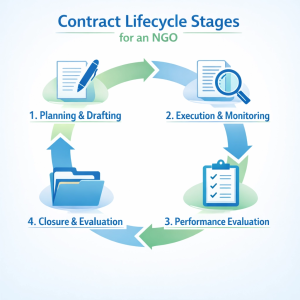
Contract Lifecycle Stages
Planning and Drafting
This stage involves defining scope, deliverables, timelines, and responsibilities. Contracts must include clear clauses such as:
- Payment terms
- Deliverables
- Termination conditions
Execution and Monitoring
Once signed, contracts must be actively managed. Monitoring ensures that vendors and partners meet agreed obligations.
Closure and Evaluation
After completion, contracts are reviewed for performance, compliance, and lessons learned.
Legal Framework and Compliance
Regulatory Requirements
Nonprofits must adhere to both local laws and international regulations. This includes procurement policies and financial reporting standards.
Donor Compliance Standards
Donor agencies such as the UN, World Bank, and EU have strict guidelines. According to this NGO contract management training, understanding these frameworks is essential for avoiding penalties and ensuring smooth audits.
Risk Management in Non Profit Contracts
Common Risks in NGO Contracts
- Delayed deliverables
- Fraud and mismanagement
- Budget overruns
- Non-compliance
Risk Mitigation Strategies
- Conduct risk assessments
- Include penalty clauses
- Monitor performance regularly
- Maintain proper documentation
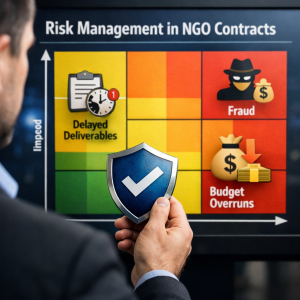
Effective training such as contract risk management modules helps professionals identify and mitigate these risks early.
Procurement and Vendor Management
Supplier Selection Criteria
Choosing the right vendor is critical. Consider:
- Experience
- Cost-effectiveness
- Compliance history
Vendor Relationship Management
Strong relationships improve performance and reduce disputes. Regular communication and clear expectations are key.
Performance Monitoring and Evaluation
KPIs and Reporting
Key Performance Indicators (KPIs) help track contract success. Examples include:
- Delivery timelines
- Quality standards
- Budget adherence
Tools for Monitoring Contracts
Organizations use dashboards, reports, and audits to monitor contracts. According to contract performance monitoring training, structured reporting ensures transparency and accountability.
Technology in Contract Management
Digital Contract Systems
Modern NGOs use software to manage contracts efficiently. These systems:
- Store documents securely
- Track deadlines
- Automate workflows
Automation Benefits
Automation reduces human error and improves efficiency. It also ensures timely compliance with donor requirements.

Best Practices for Effective Contract Management
Transparency and Accountability
Transparency builds trust with donors and stakeholders. Clear documentation and reporting are essential.
Documentation and Record Keeping
Maintaining accurate records ensures compliance and simplifies audits. Training like NGO contract documentation practices highlights the importance of organized record-keeping systems.
Challenges in Non Profit Contract Management
Multi-Donor Complexity
Managing multiple donors with different requirements can be challenging.
Limited Resources
Many NGOs operate with limited staff and budgets, making contract management more difficult.
Training and Capacity Building
Importance of Professional Training
Investing in training improves staff skills and organizational performance.
Programs such as NGO contract management certification course provide practical knowledge in compliance, risk management, and performance monitoring.
Recommended Courses
- NGO contract management
- Procurement and compliance
- Risk assessment
These courses equip professionals with real-world skills for managing contracts effectively.
Case Studies in NGO Contract Management
Real-World Examples
Many NGOs have improved efficiency by adopting structured contract management systems. For example:
- Improved donor compliance
- Reduced fraud risks
- Better vendor relationships
Training programs often include real-life case studies to demonstrate best practices.
Future Trends in Contract Management
AI and Data Analytics
Technology is transforming contract management. AI helps analyze risks, predict outcomes, and automate processes.
FAQs on Non Profit Contract Management
1. Why is non profit contract management important?
It ensures compliance, accountability, and effective use of donor funds.
2. What are the key stages of contract management?
Planning, execution, monitoring, and closure.
3. How can NGOs ensure compliance?
By following donor guidelines, maintaining records, and monitoring performance.
4. What are common risks in NGO contracts?
Fraud, delays, budget overruns, and non-compliance.
5. What skills are needed for contract management?
Risk assessment, negotiation, compliance knowledge, and reporting.
6. Are there training programs available?
Yes, programs like this contract management training for NGOs offer practical skills and certification.
Conclusion
Non profit contract management is essential for ensuring transparency, compliance, and successful project delivery. By implementing best practices, leveraging technology, and investing in training, NGOs can significantly improve their operational efficiency and donor relationships.
Organizations that prioritize structured contract management not only reduce risks but also enhance their credibility and impact in the development sector.