

Human resources play a critical role in every organization. From hiring the right people to maintaining employee satisfaction, HR professionals ensure businesses run smoothly and efficiently. An HR management course equips learners with the practical and theoretical knowledge needed to succeed in this growing field.
Today’s organizations need skilled HR professionals who can manage talent, improve workplace culture, and align employees with business goals. Whether you are a student, entrepreneur, manager, or job seeker, enrolling in an HR management course can open doors to exciting career opportunities.
In this guide, you will learn everything about HR training, including benefits, course topics, career paths, and how to choose the right program for your future.
Introduction to HR Management
Human Resource Management (HRM) focuses on managing employees within an organization. HR professionals handle recruitment, training, employee relations, payroll, compliance, and workplace development.
Modern businesses understand that employees are their most valuable asset. Because of this, HR departments have become more strategic than ever before. Companies now rely on HR teams to improve productivity, employee engagement, and long-term organizational success.
An HR management course helps individuals understand these responsibilities and develop the skills required to manage people effectively.

What Is an HR Management Course?
An HR management course is a professional training program designed to teach learners about workforce management and organizational behavior. The course combines leadership principles, labor laws, communication techniques, and employee management strategies.
Many institutions offer beginner, intermediate, and advanced HR programs. Some focus on practical skills, while others emphasize strategic HR leadership.
You can explore professional HR training opportunities through programs like the Forelite Training Institute, which provides career-focused learning solutions for modern professionals.
Core Objectives of HR Training
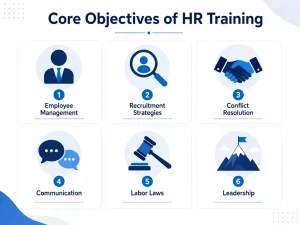
The main objectives of an HR management course include:
- Understanding employee management
- Learning recruitment strategies
- Managing workplace conflict
- Improving organizational communication
- Understanding labor laws and ethics
- Building leadership abilities
These objectives prepare learners for real-world HR challenges.
Why HR Skills Matter in Modern Businesses
Every successful company depends on strong teamwork and employee satisfaction. HR professionals help businesses:
- Hire qualified employees
- Reduce workplace conflicts
- Improve employee retention
- Increase productivity
- Maintain legal compliance
Without proper HR systems, organizations often struggle with low morale and high turnover.
Key Topics Covered in an HR Management Course
A comprehensive HR management course covers multiple areas of workforce management.
Recruitment and Talent Acquisition
Recruitment is one of the most important HR functions. Learners discover how to:
- Create job descriptions
- Conduct interviews
- Assess candidates
- Hire top talent
- Build employer branding
Effective hiring reduces turnover and improves business performance.

Employee Relations and Conflict Resolution
Employee relations focus on maintaining healthy workplace interactions. HR professionals learn strategies for:
- Handling grievances
- Solving disputes
- Promoting teamwork
- Encouraging positive communication
Conflict resolution skills are essential in every workplace.
Compensation and Benefits
Employees expect fair salaries and benefits. HR training teaches learners how to manage:
- Payroll systems
- Bonuses and incentives
- Employee insurance
- Compensation structures
This knowledge helps organizations remain competitive in the job market.
Training and Development
Businesses grow when employees improve their skills. HR specialists coordinate:
- Employee onboarding
- Workshops and seminars
- Leadership training
- Performance improvement plans
Professional development increases motivation and productivity.

HR Analytics and Technology
Modern HR departments use technology for data-driven decisions. Many courses now include:
- HR software systems
- Performance analytics
- Digital recruitment tools
- Workforce planning
You can also explore specialized business and management programs at Forelite Training Courses to expand your professional knowledge.
Benefits of Taking an HR Management Course
Enrolling in an HR management course offers many personal and professional advantages.
Career Growth Opportunities
HR is a rapidly growing field with opportunities across industries. Completing a recognized course improves your qualifications and employability.
Professionals with HR certifications often earn higher salaries and advance faster in their careers.
Improved Leadership Skills
HR professionals guide employees and influence organizational culture. Training improves:
- Communication
- Leadership
- Negotiation
- Decision-making
These abilities are valuable in almost every profession.
Better Understanding of Employment Laws
Labor laws protect both employees and employers. HR training teaches compliance with workplace regulations, reducing legal risks for organizations.
Increased Organizational Productivity
A strong HR department creates efficient systems that improve performance and employee satisfaction.
Organizations with skilled HR teams usually experience:
- Higher retention rates
- Better teamwork
- Improved morale
- Increased productivity
Who Should Enroll in an HR Management Course?
An HR management course is suitable for many individuals.
Students and Fresh Graduates
Students can gain practical skills that improve employability and career readiness.
Business Owners and Entrepreneurs
Business owners need HR knowledge to manage employees effectively and create healthy work environments.
Managers and Team Leaders
Managers benefit from understanding employee motivation, conflict management, and leadership strategies.
Professionals looking to strengthen management abilities can also explore leadership and management courses for advanced workplace skills.
Online vs Offline HR Management Course
Both online and classroom-based HR courses offer valuable learning experiences.
Advantages of Online Learning
Online HR programs provide:
- Flexible schedules
- Affordable tuition
- Self-paced learning
- Access from anywhere
These benefits make online education popular among working professionals.
Benefits of Classroom Training
Traditional classroom training offers:
- Face-to-face interaction
- Networking opportunities
- Real-time discussions
- Immediate instructor feedback
Some learners prefer in-person engagement for better understanding.
Essential Skills You Gain from an HR Management Course
HR professionals require a diverse set of soft and technical skills.
Communication Skills
Strong communication helps HR teams:
- Conduct interviews
- Resolve disputes
- Train employees
- Improve workplace relationships
Problem-Solving Abilities
HR specialists solve organizational challenges daily. Courses help learners think critically and make effective decisions.
Decision-Making and Leadership
Leadership training prepares HR professionals to guide teams and support organizational goals.
You can strengthen these abilities through professional development programs like professional courses at Forelite Training.
Career Opportunities After Completing an HR Management Course
Completing an HR management course can lead to multiple career paths.
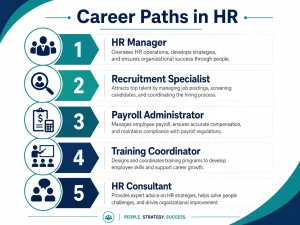
HR Manager
HR managers oversee employee operations, recruitment, and workplace policies.
Recruitment Specialist
Recruiters identify and hire qualified candidates for organizations.
Payroll Administrator
Payroll professionals manage employee salaries, deductions, and benefits.
Training Coordinator
Training coordinators organize workshops and employee development programs.
Additional HR-related opportunities include:
- Talent acquisition specialist
- HR consultant
- Employee relations officer
- Compensation analyst
- Organizational development specialist
How to Choose the Best HR Management Course
Selecting the right HR management course is essential for career success.
Accreditation and Certification
Choose programs from reputable institutions with recognized certifications.
Course Content and Practical Exposure
Look for courses that include practical case studies, internships, and hands-on projects.
Trainer Experience
Experienced instructors provide valuable industry insights and mentorship.
For industry-relevant training solutions, visit Forelite Training Institute to learn more about their professional learning programs.
Importance of HR Certifications
Professional certifications improve credibility and career prospects.
Popular HR certifications include:
- SHRM Certification
- HRCI Certification
- CIPD Programs
- HR Diploma Courses
Certified professionals often gain access to better job opportunities and leadership roles.
Challenges in Human Resource Management
HR professionals face many workplace challenges.
Common issues include:
| Challenge | Description |
|---|---|
| Employee Turnover | High resignation rates |
| Workplace Conflict | Disagreements between employees |
| Compliance Issues | Following labor laws |
| Employee Burnout | Managing stress and workload |
| Diversity Management | Creating inclusive workplaces |
An HR management course prepares learners to handle these challenges professionally.
Future Trends in Human Resource Management
The HR industry continues to evolve rapidly.
AI and Automation in HR
Artificial intelligence now supports:
- Resume screening
- Performance tracking
- Recruitment automation
- Employee analytics
Technology improves HR efficiency and decision-making.
Remote Workforce Management
Remote work has transformed business operations worldwide. HR professionals must now manage virtual teams effectively.
Diversity and Inclusion
Organizations increasingly prioritize inclusive workplaces that value diversity and equal opportunity.
These trends highlight the growing importance of skilled HR professionals.

Frequently Asked Questions
1. What is an HR management course?
An HR management course teaches learners how to manage employees, recruitment, payroll, leadership, and workplace relations.
2. Who should study HR management?
Students, managers, entrepreneurs, and professionals interested in employee management can benefit from HR training.
3. Is HR management a good career?
Yes. HR offers strong career growth, competitive salaries, and opportunities across industries.
4. How long does an HR management course take?
The duration varies from a few weeks to several months depending on the program level.
5. Can I study HR management online?
Yes. Many institutions offer flexible online HR management courses for working professionals.
6. What jobs can I get after completing an HR management course?
You can work as an HR manager, recruiter, payroll officer, training coordinator, or HR consultant.
Conclusion
An HR management course is an excellent investment for anyone interested in leadership, employee management, and organizational success. As businesses continue evolving, skilled HR professionals remain in high demand across industries.
Whether you are starting your career or advancing professionally, HR training helps you build communication, leadership, recruitment, and problem-solving skills that employers value greatly.
By selecting the right training institution and continuously improving your expertise, you can build a rewarding and successful career in human resource management.
For professional learning opportunities and career-focused training programs, visit Forelite Training to explore available courses and certifications.