
HSE Management: 17 Powerful Strategies to Boost Workplace Safety and Compliance

Introduction to HSE Management
HSE management is a structured approach used by organizations to ensure the health, safety, and environmental well-being of employees, stakeholders, and surrounding communities. In today’s fast-paced industrial world, accidents and environmental risks can have serious consequences. That’s why businesses are investing heavily in strong HSE systems.
At its core, hse management focuses on identifying risks, preventing accidents, and ensuring compliance with safety regulations. It’s not just about avoiding harm, it’s about creating a culture where safety comes first.
Organizations that implement strong HSE systems benefit from improved productivity, reduced legal risks, and enhanced employee morale. According to industry training programs, HSE management includes risk assessment, incident investigation, performance monitoring, and safety training.
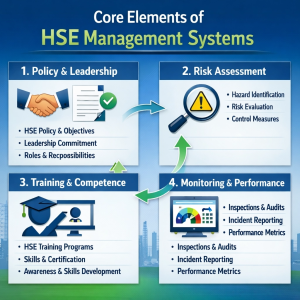
Core Elements of HSE Management Systems
Policy and Leadership Commitment
Every successful HSE system begins with leadership. Companies must establish clear safety policies and ensure top management actively supports them.
A strong policy:
- Defines safety goals
- Assigns responsibilities
- Demonstrates commitment to employee welfare
Risk Assessment and Hazard Identification
Risk assessment is the backbone of hse management. It involves identifying workplace hazards and determining their potential impact.
Steps include:
- Identifying hazards
- Evaluating risks
- Implementing control measures
Training and Competence Development
Proper training ensures employees understand safety procedures and responsibilities. Many organizations rely on professional courses like:
- Corporate Security Management Training
- Advanced Occupational Health & Safety Management Systems (OHSMS)
These programs teach how to design and maintain robust safety systems that protect people and assets.
Monitoring and Performance Evaluation
Monitoring ensures that safety systems are working effectively. This includes:
- Regular inspections
- Safety audits
- Performance tracking using KPIs
Key Principles of Effective HSE Management
Prevention over Reaction
The best strategy is to prevent incidents before they happen. This means proactive planning, regular training, and hazard control.
Continuous Improvement Culture
HSE management is not a one-time effort. It requires continuous updates and improvements based on new risks and technologies.
Legal Compliance and Standards
Organizations must comply with national and international safety standards. Training providers like Forelite Training Institute offer programs aligned with global standards to ensure compliance.
HSE Management Frameworks and Standards
ISO 45001 and Occupational Health
ISO 45001 is a globally recognized standard for occupational health and safety management systems. It helps organizations reduce workplace risks and improve safety performance.
Environmental Management Systems
Environmental protection is a key part of hse management. Companies must:
- Reduce pollution
- Manage waste responsibly
- Ensure sustainability
Benefits of Implementing HSE Management
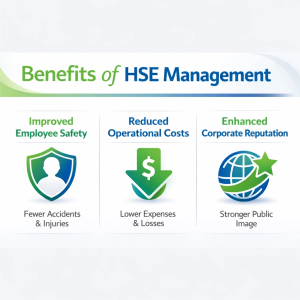
Improved Employee Safety
A well-implemented HSE system significantly reduces workplace accidents and injuries.
Reduced Operational Costs
Fewer accidents mean:
- Lower medical costs
- Reduced downtime
- Less compensation claims
Enhanced Corporate Reputation
Companies with strong HSE practices gain trust from clients, investors, and regulators.
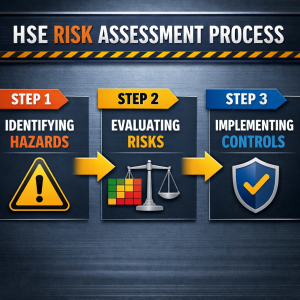
HSE Risk Assessment Process
Identifying Hazards
Hazards can include:
- Physical risks (machinery, heights)
- Chemical exposure
- Environmental factors
Evaluating Risks
Each hazard is assessed based on:
- Likelihood
- Severity
Implementing Controls
Controls may include:
- Engineering solutions
- Administrative procedures
- Personal protective equipment (PPE)
Role of Training in HSE Management
Training is essential for building competence and ensuring compliance.
Relevant programs include:
- Security and Risk Management Course Details
- OHSMS Training Schedule and Enrollment
- Explore All Professional Training Courses
These courses help professionals master:
- Risk management
- Crisis response
- Safety system design
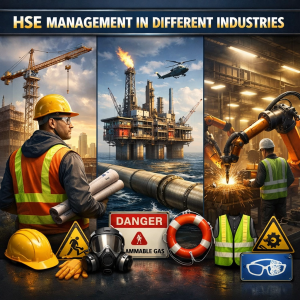
HSE Management in Different Industries
Construction Sector
High-risk environment requiring strict safety controls.
Oil and Gas Industry
Focus on hazard prevention and emergency response.
Manufacturing and Logistics
Emphasis on machinery safety and operational efficiency.
Technology in HSE Management
Digital Safety Systems
Modern tools help monitor safety in real time.
Data Analytics and Reporting
Data-driven decisions improve safety outcomes.
Challenges in HSE Management
Lack of Awareness
Employees may not fully understand safety protocols.
Poor Implementation
Even good systems fail without proper execution.
How to Build an Effective HSE Culture
Leadership Involvement
Leaders must set the example.
Employee Engagement
Encourage workers to report hazards and participate in safety programs.
HSE Management Best Practices
- Conduct regular audits
- Maintain proper documentation
- Implement incident reporting systems
- Provide continuous training
Future Trends in HSE Management
Sustainability and ESG Integration
Companies are aligning HSE with environmental and social goals.
AI and Automation
Smart systems are improving safety monitoring and prediction.
FAQs on HSE Management
What is HSE management?
It is a system that ensures workplace health, safety, and environmental protection.
Why is HSE important?
It reduces risks, protects employees, and ensures compliance with regulations.
What are the key components of HSE?
Policy, risk assessment, training, and monitoring.
How can I learn HSE management?
You can enroll in professional courses like those offered by Forelite Training.
What industries require HSE management?
Construction, oil & gas, manufacturing, and healthcare.
Is HSE management mandatory?
In many industries, it is legally required for workplace safety.
Conclusion
HSE management is no longer optional—it’s a critical part of modern business operations. By implementing strong safety systems, organizations can protect employees, reduce costs, and improve overall performance.
With the right training, tools, and commitment, any organization can build a safe and sustainable work environment.