

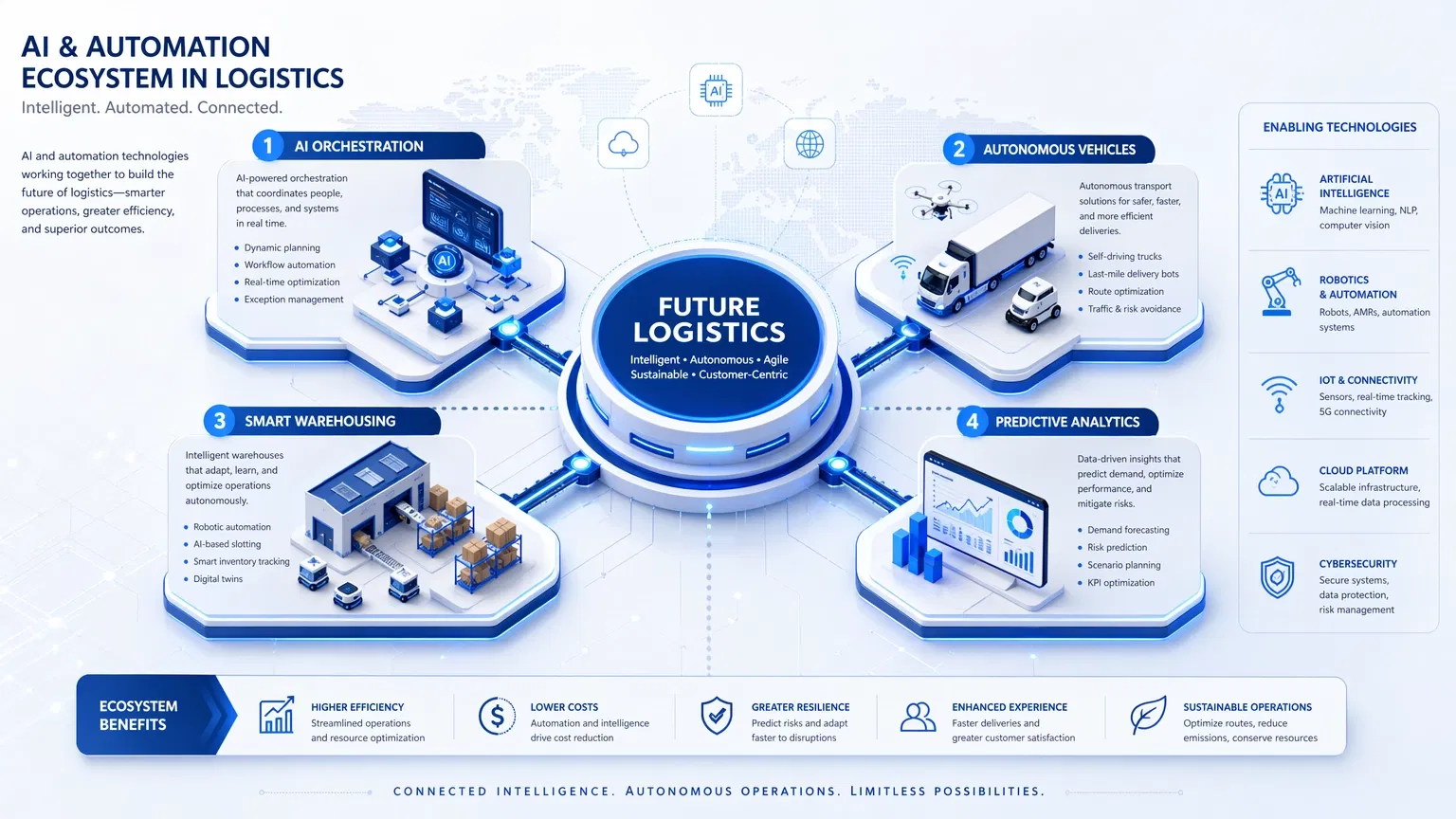
Figure 1: The interconnected ecosystem of AI, automation, autonomous vehicles, smart warehousing, and predictive analytics driving the future of logistics.
Beyond Automation: The Rise of Predictive Orchestration and Agentic AI
The traditional, reactive approach to supply chain management is rapidly giving way to predictive orchestration, a paradigm where AI-driven systems anticipate disruptions and proactively correct errors before they impact the bottom line [1]. This shift is powered by sophisticated machine learning algorithms that analyze vast datasets in real-time, enabling unprecedented levels of foresight and control. By 2026, the key trend will be the widespread adoption of such predictive models, transforming supply chains from vulnerable to self-healing entities.
Further pushing the boundaries is the emergence of Agentic AI. These autonomous AI agents are designed to evaluate complex tradeoffs and execute actions in real-time, drastically reducing decision latency from days to mere seconds [2]. This capability is crucial for navigating the volatile global market, allowing logistics operations to adapt with unparalleled speed and precision. Early adopters of generative AI, currently only about 10% of logistics companies, are already gaining a decisive competitive edge by leveraging these advanced capabilities [3].
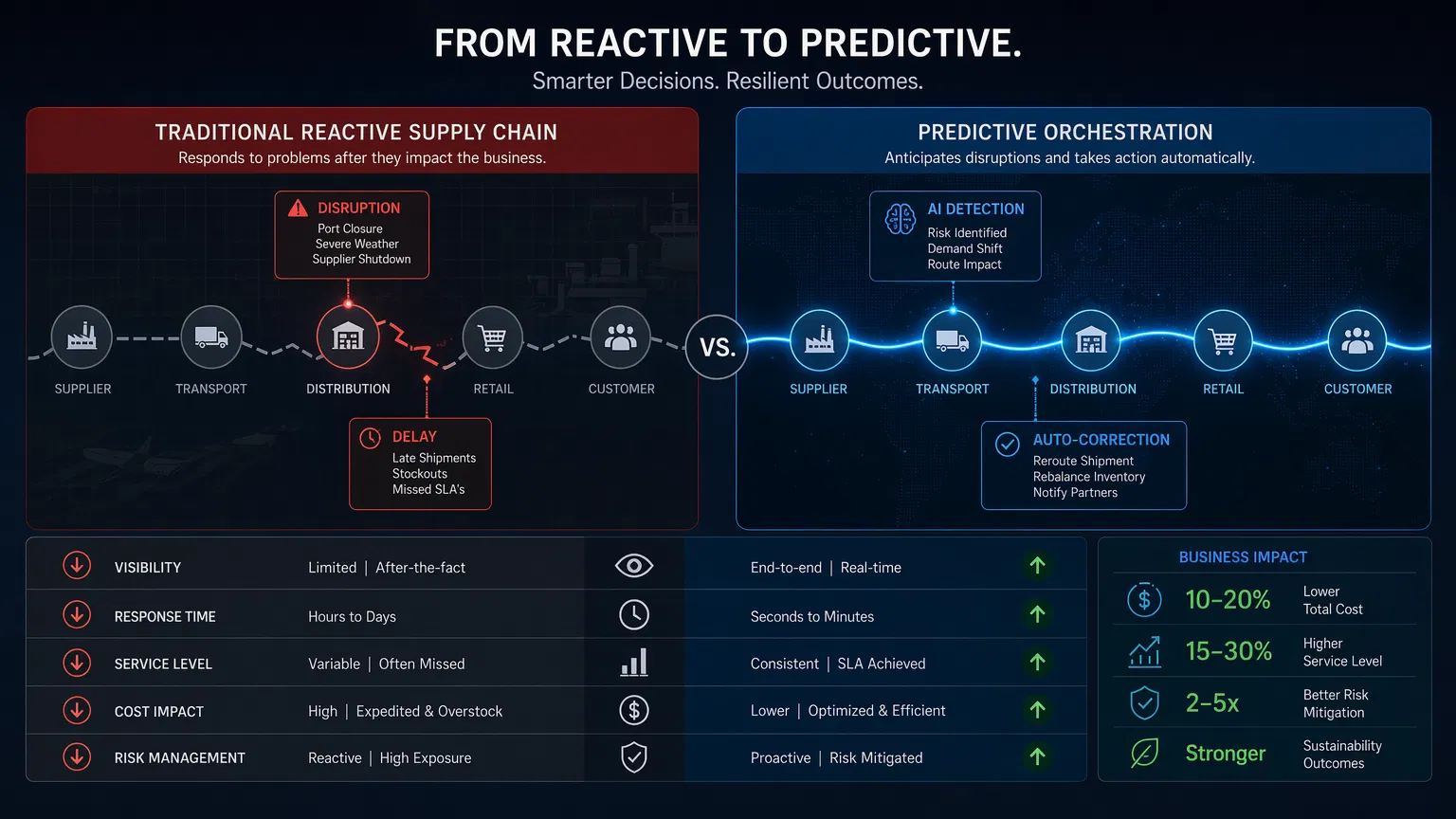
Figure 2: The transformation from reactive supply chain management to predictive orchestration, showing how AI detection and auto-correction improve visibility, response time, and service levels.
The Intelligent Warehouse: From Robotics to Self-Healing Systems
Warehouses, the nerve centers of the supply chain, are undergoing a radical metamorphosis. The integration of AI and robotics is leading to the development of smart warehousing solutions, characterized by self-healing and self-correcting Warehouse Management Systems (WMS) platforms [4]. These intelligent systems optimize everything from inventory placement and picking routes to automated restocking, minimizing human intervention and maximizing throughput.
Robotics-as-a-Service (RaaS) models are democratizing access to advanced automation, lowering the barrier to entry for smaller and medium-sized enterprises. This allows for flexible scaling of robotic fleets, performing tasks such as picking, packing, and sorting with enhanced speed and accuracy. The synergy between AI and robotics in warehouses not only boosts operational efficiency but also significantly reduces labor costs and human error. For those looking to master these advanced systems, specialized training in areas like Automated Warehouse and Stores Management Systems is becoming indispensable.
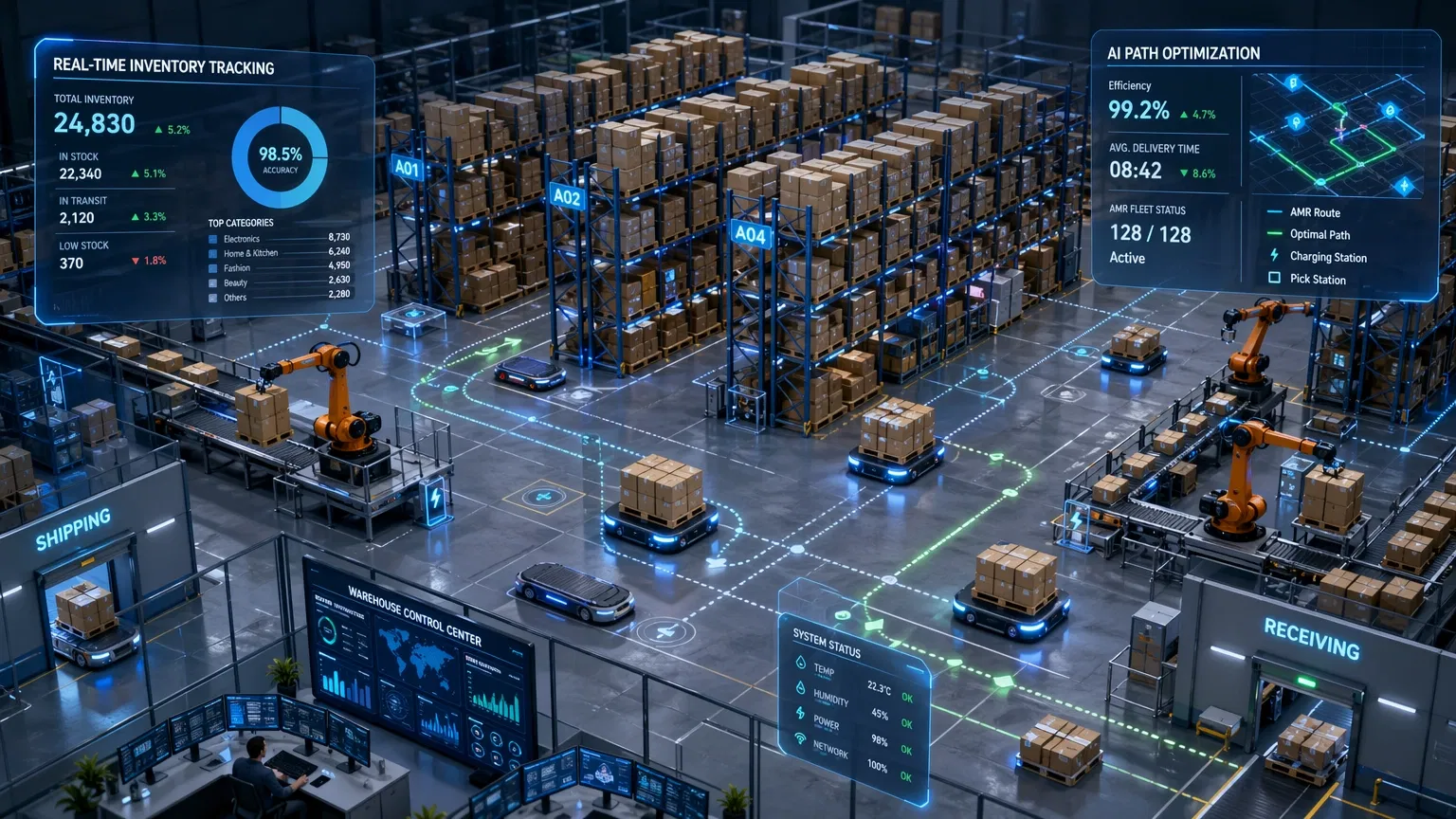
Figure 3: A modern smart warehouse featuring real-time inventory tracking, AI path optimization, robotic arms, and autonomous mobile robots (AMRs) working in perfect coordination.
Autonomous Frontiers: Self-Driving Trucks and the Drone Delivery Boom
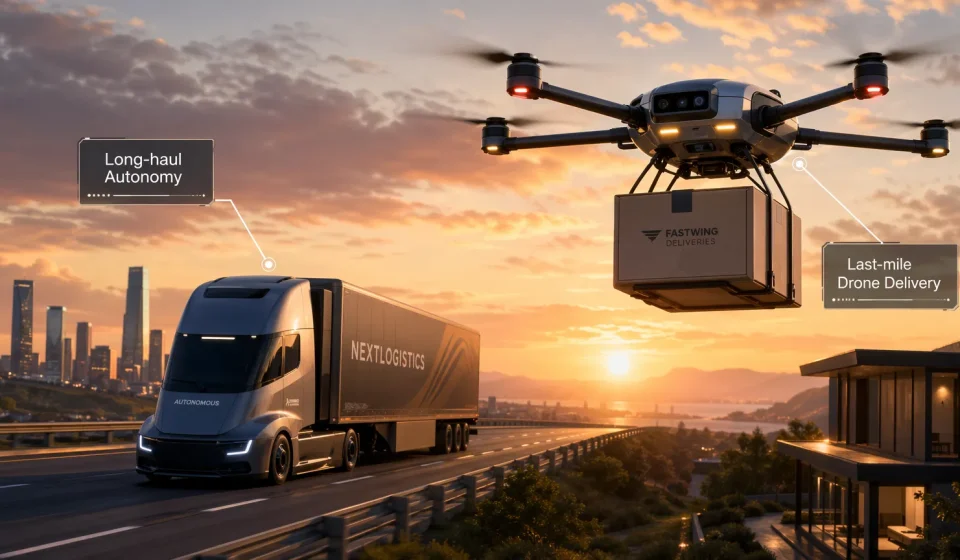
The movement of goods is being revolutionized by autonomous vehicles, promising significant reductions in costs, improved safety, and faster delivery times. Self-driving trucks are poised to play a critical role in long-haul logistics, operating 24/7 without the need for human drivers. This addresses the persistent driver shortage and mitigates human error, a major factor in accidents. These AI-powered trucks can navigate complex traffic scenarios, avoid obstacles, and adapt to changing road conditions autonomously.
In the realm of last-mile delivery, drones are rapidly gaining traction. Companies are experimenting with drone delivery systems that can swiftly transport packages directly to customers’ doorsteps, bypassing urban traffic congestion. The drone logistics market is projected to grow significantly, from $286.4 million in 2026 to $639.8 million by 2034, exhibiting a Compound Annual Growth Rate (CAGR) of 14.8% [5]. Similarly, the unmanned logistics vehicle market is expected to reach $35.1 billion by 2033 [6]. AI integration in drones optimizes flight paths, detects obstacles, and ensures efficient package handling, making them a cost-effective and highly efficient solution for e-commerce and retail logistics.
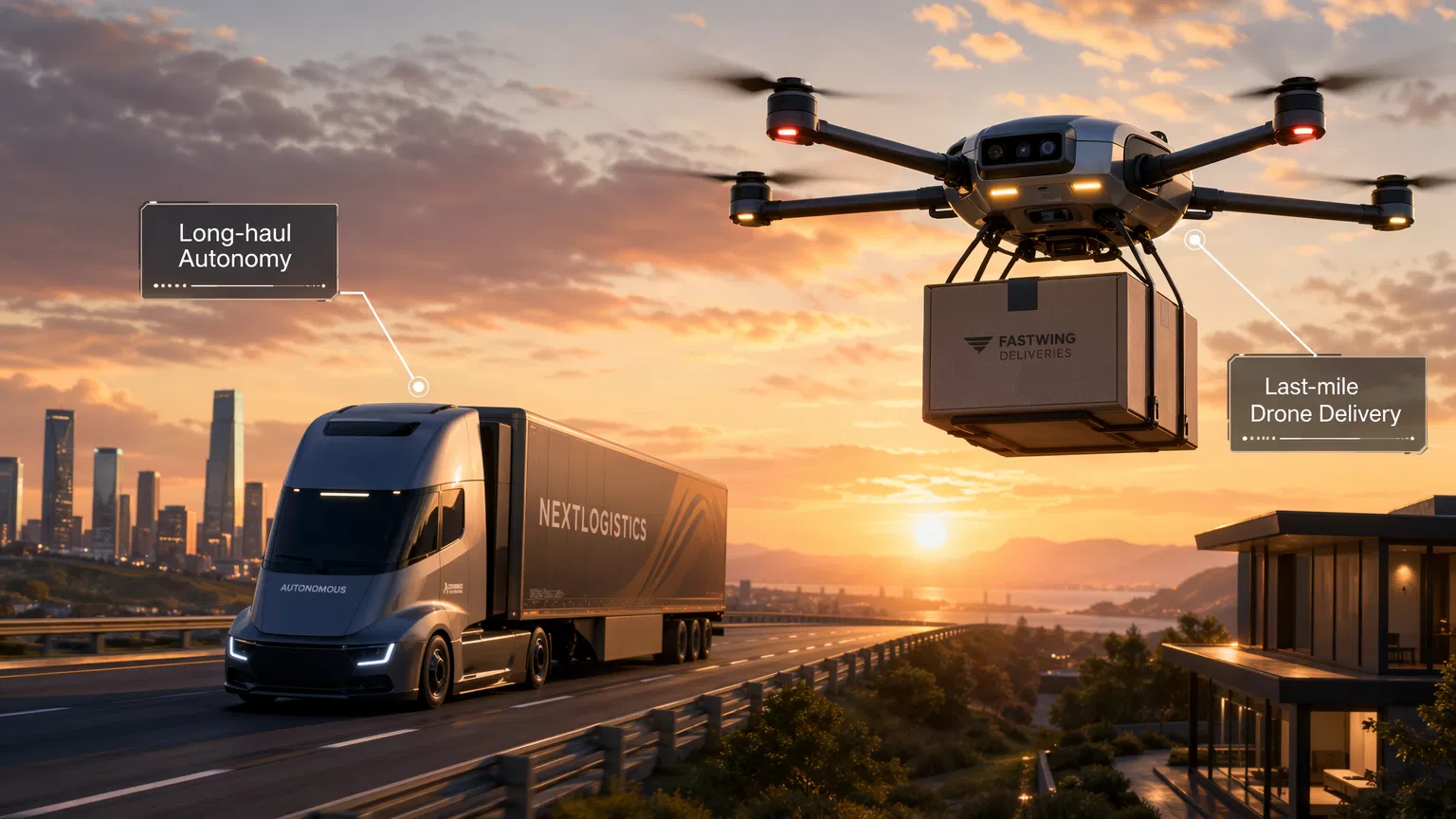
Figure 4: The future of delivery featuring autonomous long-haul trucks and drone delivery systems working in tandem to revolutionize last-mile and long-distance logistics.
The Human Element: Reskilling for an AI-Driven Supply Chain
While AI and automation bring immense benefits, they also necessitate a critical re-evaluation of the human workforce. The introduction of these technologies will inevitably lead to job displacement in certain manual and administrative roles. However, it also creates new opportunities for roles requiring advanced technical skills in AI management, data analytics, and robotics maintenance.
Logistics companies must proactively invest in reskilling and upskilling programs to help their workforce transition. This includes training in areas such as Machine Learning and Predictive Analytics to manage AI systems, or Supply Chain Risk and Resilience Management to navigate complex, AI-driven supply networks. The success of AI integration hinges not just on technology, but on the ability of organizations to align their people, processes, data, and governance with these new tools [7].
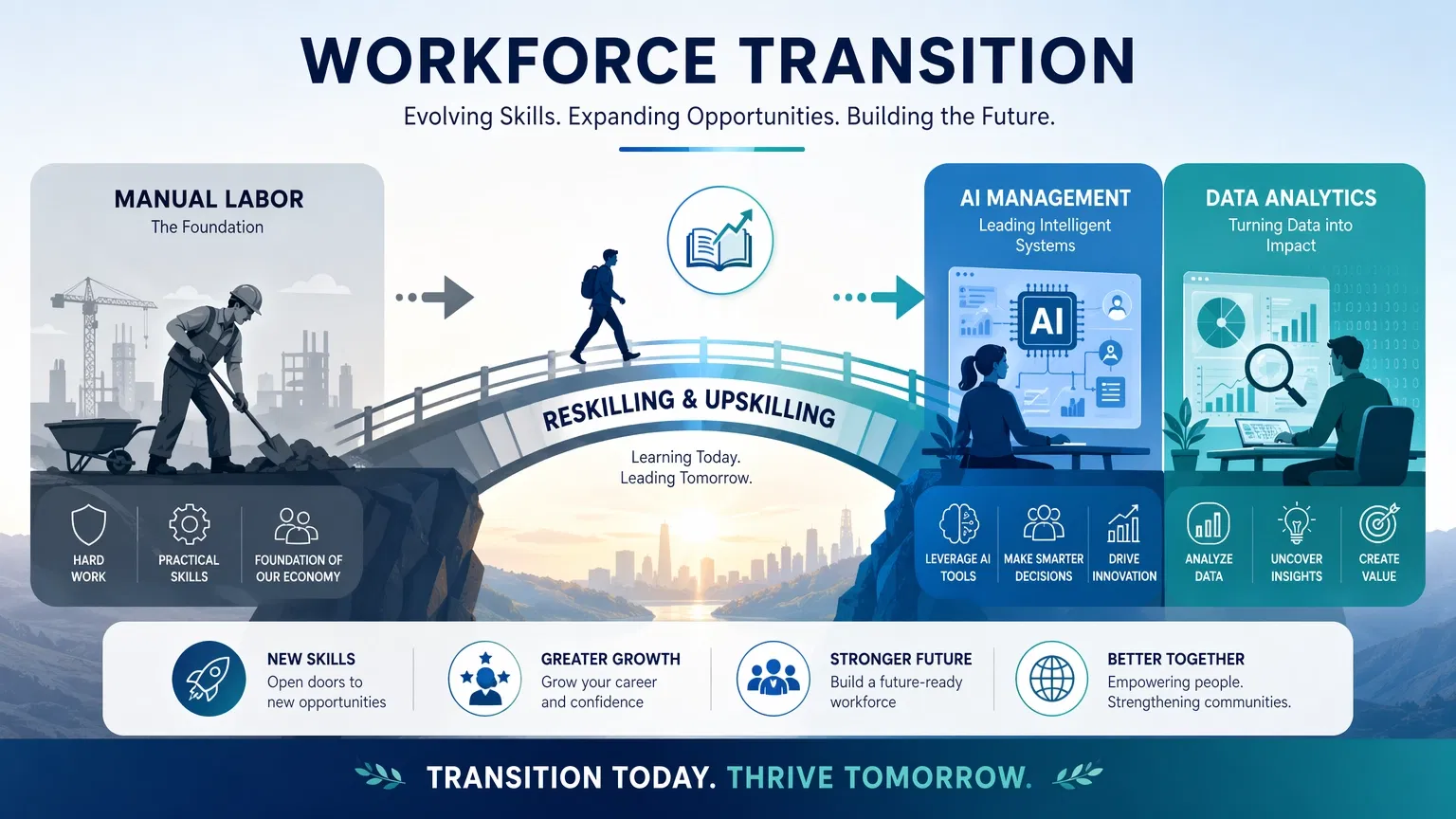
Figure 5: The workforce transition journey from manual labor to AI management and data analytics roles, emphasizing the importance of continuous reskilling and upskilling.
Sustainability and Green Logistics: AI as a Catalyst for ESG
Beyond efficiency and cost savings, AI is emerging as a powerful tool for driving sustainability in logistics. AI-driven route optimization algorithms can significantly reduce fuel consumption and emissions by identifying the most efficient delivery paths, considering factors like traffic, weather, and vehicle load. This directly contributes to environmental, social, and governance (ESG) goals, allowing companies to minimize their carbon footprint and operate more responsibly.
Furthermore, AI can optimize warehouse energy consumption, predict equipment maintenance needs to extend asset lifespans, and even manage reverse logistics more effectively, reducing waste and promoting circular economy principles. For organizations seeking to integrate these practices, training in areas like Lean Logistics for Supply Chain Operations can provide valuable insights into waste reduction and efficiency gains.
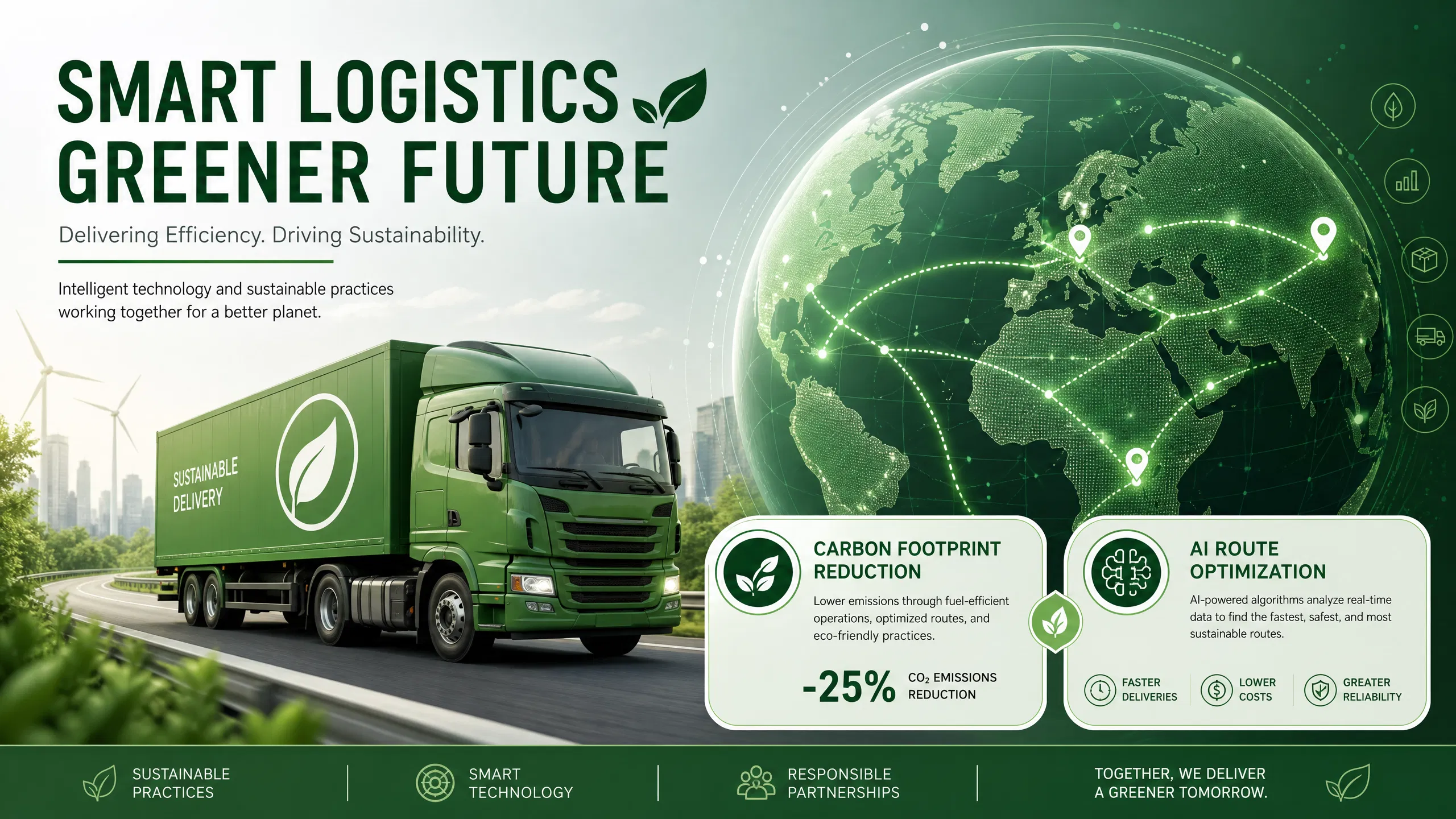
Figure 6: Smart logistics powered by AI route optimization and sustainable practices, demonstrating how technology drives carbon footprint reduction and environmental responsibility.
Conclusion: Building a Resilient, Future-Proof Supply Chain
The future of logistics is undeniably intertwined with the continuous evolution of AI and automation. From predictive orchestration and intelligent warehouses to autonomous vehicles and sustainable practices, these technologies are fundamentally reshaping how goods are moved, stored, and delivered. While challenges such as high initial investment and workforce transition remain, the long-term benefits of increased efficiency, reduced costs, enhanced customer experience, and improved sustainability far outweigh the hurdles.
Organizations that embrace this technological revolution, investing not only in the tools but also in the people and processes that underpin them, will be best positioned to thrive in the increasingly dynamic and competitive global supply chain landscape of 2026 and beyond. The journey towards a fully intelligent and automated logistics ecosystem is ongoing, but the path forward is clear: innovation, adaptation, and strategic investment in AI and automation are paramount for building a truly resilient and future-proof supply chain.
Ready to Transform Your Supply Chain? Explore comprehensive training programs in supply chain management, AI-driven logistics, and advanced warehouse systems at ForElite Training Institute to equip your team with the skills needed for the future.
References