
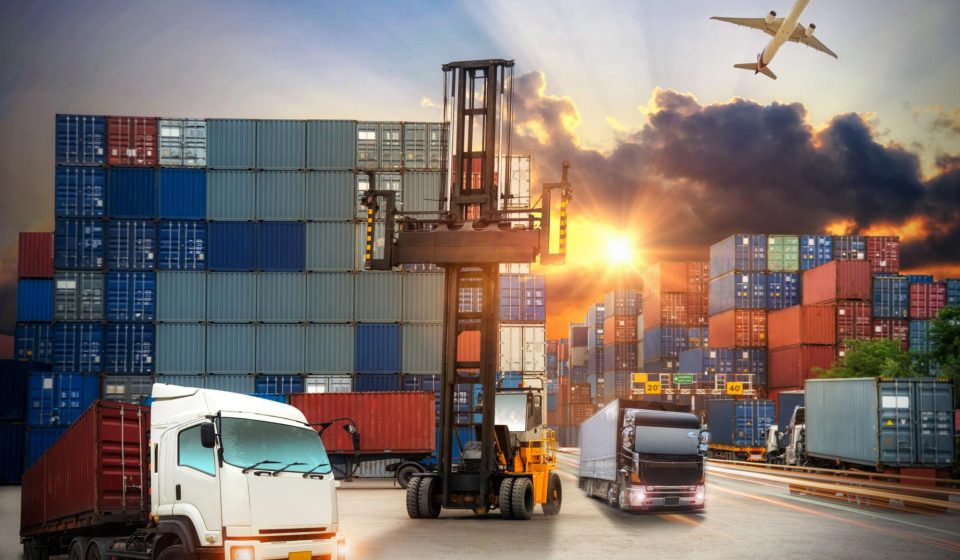


How Do Logistics Companies Work?
Logistics companies are the hidden engines behind modern trade and online shopping. Every time you order a product online, send a package, or see store shelves fully stocked, logistics professionals are working behind the scenes to move goods quickly and safely.
In simple terms, logistics companies manage the transportation, storage, and delivery of products from one place to another. They connect manufacturers, suppliers, retailers, and customers through organized supply chain systems.
Today, logistics is one of the most important industries in the world. Without it, businesses would struggle to deliver products on time, and customers would face delays and shortages.
The Best Transport and Logistics Training Courses for 2026: Navigating the Future of Supply Chains
What Is a Logistics Company?
A logistics company specializes in planning, managing, and transporting goods. Their main goal is to ensure products arrive at the right destination, at the right time, and in good condition.
These companies handle several important tasks, including:
- Transportation
- Warehousing
- Packaging
- Inventory management
- Shipping coordination
- Customs clearance
- Delivery tracking
Some logistics companies work locally, while others operate globally across multiple countries.
Popular logistics brands include DHL, FedEx, and UPS.
For more industry insights, visit DHL Official Website.
Why Logistics Matters in Everyday Life
Most people don’t notice logistics until something goes wrong. Yet logistics affects almost every product we use daily.
Here are a few examples:
- Grocery stores receive fresh food through logistics systems.
- Hospitals depend on medical supply deliveries.
- Online stores rely on shipping networks.
- Factories need raw materials transported on schedule.
Without logistics companies, global trade would slow down dramatically.
Main Types of Logistics Services
Transportation Management
Transportation is the core service provided by logistics companies. Goods are moved using trucks, ships, airplanes, and trains depending on speed, cost, and distance.
Warehousing and Storage
Many logistics companies operate warehouses where products are stored before delivery.

Warehouses help businesses:
- Store products safely
- Organize inventory
- Speed up deliveries
- Reduce supply chain delays
Inventory Management
Inventory management involves tracking stock levels and product movement. Logistics software helps companies know:
- What products are available
- Which items are running low
- Where products are located
Packaging and Distribution
Products must be packaged securely before shipping. Logistics companies ensure goods are protected from damage during transportation.
Step-by-Step Process of Logistics Operations
1. Order Processing
The process starts when a customer places an order. The logistics team receives shipping details and prepares the product for transportation.

2. Route Planning
Companies calculate the fastest and most cost-effective delivery route.
Modern route planning often uses:
- GPS systems
- AI-powered software
- Traffic analysis
- Weather forecasting

3. Shipment Tracking
Customers can usually track packages in real time. Tracking systems improve transparency and customer trust.
4. Final Delivery
The final stage is called “last-mile delivery.” This is when the package reaches the customer’s doorstep.

Different Transportation Methods
Road Freight
Road transport is commonly used for local and regional deliveries. Trucks provide flexibility and door-to-door service.
Air Freight
Air freight is the fastest shipping method. It is ideal for:
- Urgent shipments
- Medical supplies
- High-value products
However, it is usually more expensive.
Rail Freight
Rail transport is efficient for moving heavy goods over long distances.
Sea Freight
Sea freight handles large international shipments. Cargo ships transport:
- Electronics
- Vehicles
- Machinery
- Consumer goods
Although slower, sea freight is highly cost-effective.

Role of Technology in Logistics
Technology has transformed the logistics industry.

GPS Tracking
GPS systems help companies monitor vehicle locations in real time.

Artificial Intelligence
AI helps logistics companies:
- Predict demand
- Optimize routes
- Reduce fuel costs
- Improve warehouse efficiency

Automation and Robotics
Many warehouses now use robots for:
- Sorting packages
- Moving inventory
- Packing orders

Automation improves speed and reduces human error.
Benefits of Using Logistics Companies
Businesses benefit greatly from professional logistics services.
Cost Savings
Logistics companies reduce transportation and storage costs through efficient planning.
Faster Delivery
Efficient shipping systems help products reach customers quickly.
Better Customer Satisfaction
On-time delivery builds trust and improves customer experience.
Global Reach
Logistics companies make international trade easier.
Risk Reduction
Professional handling lowers the chances of damaged or lost goods.
Challenges Logistics Companies Face
Despite their importance, logistics companies face many challenges.
Some common issues include:
- Fuel price increases
- Traffic congestion
- Weather disruptions
- Labor shortages
- Customs delays
- Cybersecurity threats
To solve these problems, companies invest heavily in technology and supply chain optimization.
Logistics and eCommerce Growth
The rise of eCommerce has dramatically increased demand for logistics services.
Online retailers depend on logistics companies for:
- Fast shipping
- Returns management
- Inventory storage
- Same-day delivery
Companies like Amazon have pushed logistics innovation even further through automation and advanced fulfillment centers.
Future Trends in Logistics
The logistics industry continues to evolve rapidly.
Green Logistics
Many companies are adopting eco-friendly transportation methods and electric delivery vehicles.
Drone Deliveries
Some businesses are testing drones for faster package delivery.
Smart Warehouses
Future warehouses may rely almost entirely on automation and robotics.
Blockchain Technology
Blockchain can improve shipment security and transparency.
Frequently Asked Questions
1. What does a logistics company do?
A logistics company manages the transportation, storage, and delivery of goods.
2. How do logistics companies make money?
They charge businesses for transportation, warehousing, shipping, and supply chain services.
3. What is the difference between logistics and shipping?
Shipping is only one part of logistics. Logistics includes planning, storage, inventory, and delivery management.
4. Why are logistics companies important?
They keep products moving efficiently through supply chains and support global trade.
5. What industries use logistics services?
Retail, healthcare, manufacturing, food, automotive, and eCommerce industries all rely on logistics.
6. What technology do logistics companies use?
They use GPS tracking, AI software, robotics, warehouse systems, and automated inventory tools.
Conclusion
Logistics companies play a critical role in the modern economy. They connect suppliers, businesses, and consumers through organized transportation and supply chain systems.
From warehouses and trucks to AI-driven tracking systems, logistics operations ensure products move safely and efficiently across the globe. As technology continues to improve, logistics companies will become even faster, smarter, and more sustainable.
Understanding how logistics companies work helps businesses improve operations and gives consumers a better appreciation of the systems behind everyday deliveries.