
Training on Memorialization and Public Memory in Post-Conflict Societies
Course Overview
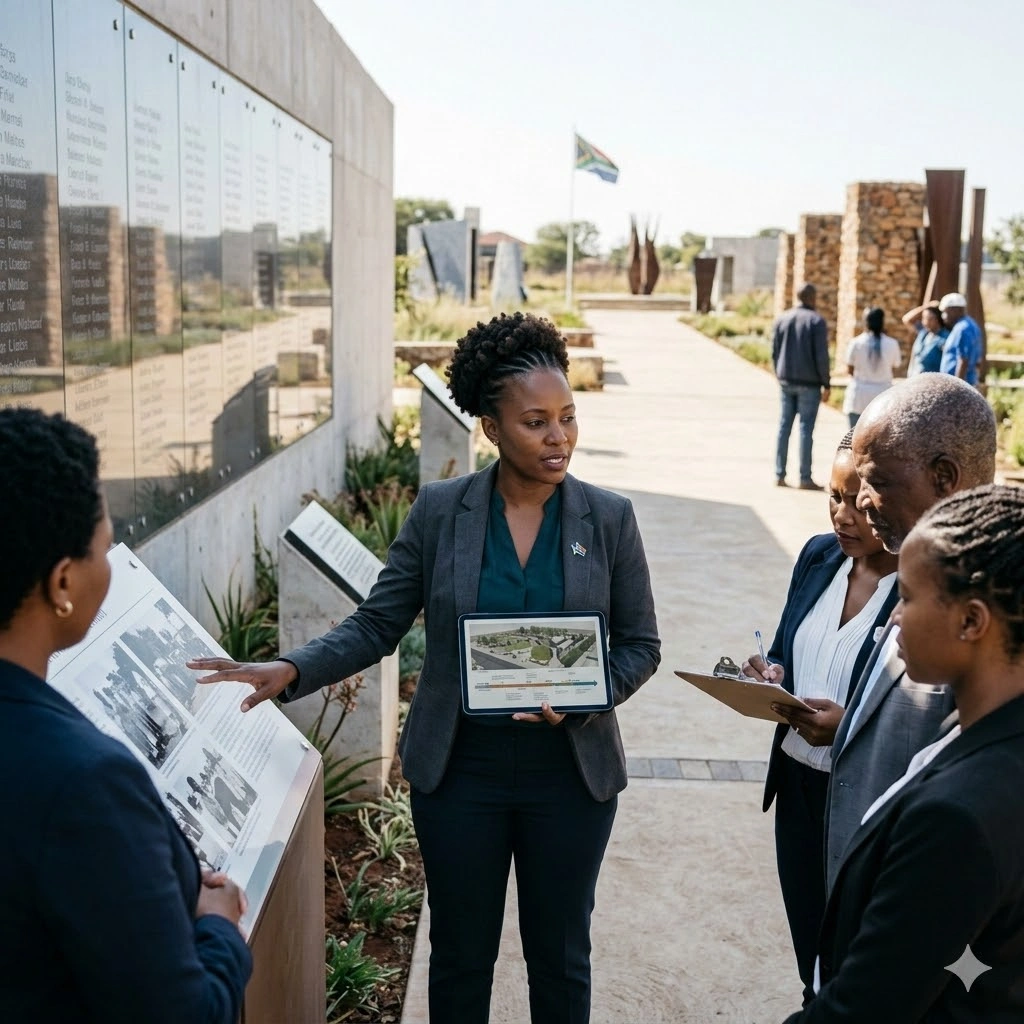
In post-conflict societies, how communities remember past violence and repression shapes healing, reconciliation, and social cohesion. Memorialization and public memory initiatives—including museums, monuments, archives, commemorations, and educational programs—play a critical role in acknowledging harm, honoring victims, preserving historical truth, and fostering societal trust. Poorly designed or politicized initiatives can reinforce divisions, while thoughtful approaches promote inclusion, dialogue, and long-term peace.
Across Africa and the Middle East, practitioners face challenges in balancing diverse narratives, engaging affected communities, safeguarding historical evidence, and ensuring sustainable implementation. This 10-day course equips participants with the practical skills to design and manage memorialization programs that are ethical, culturally sensitive, and socially impactful. Participants will explore methods for documenting histories, consulting stakeholders, planning and implementing memorial projects, integrating public memory into education, and measuring social outcomes.
Through case studies, interactive exercises, and applied project planning, learners will gain hands-on experience to translate memorialization principles into actionable programs that foster healing, strengthen reconciliation, and preserve collective memory for future generations.
By the end of the program, participants will be able to develop and oversee memorialization initiatives that are inclusive, evidence-based, and transformative for post-conflict communities.
Duration
10 Days
Who Should Attend
- Government officials in culture, justice, and reconciliation programs
- Human rights commissions and transitional justice bodies
- Museum, heritage, and archival professionals
- Civil society and victim associations
- Educators and community leaders
- Development partners supporting post-conflict recovery
Course Impact
Individual Impact
-
Strengthen memorial project design skills
-
Improve community engagement capacity
-
Enhance historical documentation expertise
-
Build leadership in reconciliation initiatives
-
Develop ethical public memory management skills
Organizational Impact
-
Improve inclusivity and credibility of memorial initiatives
-
Strengthen reconciliation and social cohesion
-
Preserve historical truth effectively
-
Enhance public trust in institutions
-
Support sustainable peacebuilding efforts
Course Objectives
By the end of this course, participants will be able to:
-
Understand the role of memorialization in transitional justice
-
Design inclusive public memory initiatives
-
Engage diverse communities effectively
-
Manage memorial projects and institutions
-
Integrate history into education and policy
-
Evaluate social impact of memorialization
Course Outline
Module 1: Understanding Memorialization and Public Memory
-
Concepts of public memory
-
Role in post-conflict recovery
-
Global and regional experiences
-
Ethical considerations
Exercise: Mapping memory needs
Case Study: National memorial initiative
Module 2: Historical Documentation and Archives
-
Collecting testimonies
-
Preserving evidence
-
Digital archiving tools
-
Protection of sensitive materials
Practical: Archive design plan
Case Study: Truth documentation program
Module 3: Community Engagement and Inclusion
-
Participatory approaches
-
Managing diverse narratives
-
Trauma-sensitive practices
-
Youth and marginalized voices
Exercise: Stakeholder engagement plan
Case Study: Community-led memorial project
Module 4: Designing Memorial Spaces and Symbols
-
Memorial site planning
-
Cultural symbolism
-
Accessibility and inclusivity
-
Sustainability considerations
Practical: Memorial concept design
Case Study: National monument program
Module 5: Museums and Public Exhibitions
-
Storytelling techniques
-
Educational programming
-
Interactive displays
-
Long-term management
Exercise: Museum exhibit outline
Case Study: Post-conflict museum
Module 6: Public Commemorations and Rituals
-
National remembrance days
-
Community ceremonies
-
Media engagement
-
Healing-focused approaches
Practical: Commemoration event plan
Case Study: Annual remembrance initiative
Module 7: Education and Youth Engagement
-
Curriculum integration
-
School programs
-
Digital storytelling
-
Peace education approaches
Exercise: Education module design
Case Study: Memory in schools program
Module 8: Governance and Policy Frameworks
-
Legal protections
-
Institutional mandates
-
Funding models
-
Partnerships
Practical: Policy framework outline
Case Study: National memory institution
Module 9: Monitoring Impact and Social Outcomes
-
Measuring reconciliation outcomes
-
Community feedback
-
Program evaluation
-
Adaptive management
Exercise: Impact assessment plan
Case Study: Evaluated memorial program
Module 10: Sustainability and Future Generations
-
Long-term funding strategies
-
Institutional continuity
-
Digital preservation
-
Preventing historical erasure
Capstone Exercise: Memorialization strategy plan
Case Study: Sustainable memory initiative
Prerequisites
Course Administration and Investment
Whether you join us in a physical boardroom or through our virtual campus, we’ve designed every administrative detail for a seamless, professional experience.
Our fees are all inclusive during course hours.
- Covered: High level tuition, comprehensive materials (digital + physical), mid morning and afternoon refreshments, a full executive lunch, and any scheduled study visits or site tours.
- Not covered: Travel, visa fees, medical/travel insurance, personal expenses, and accommodation.
From registration to the classroom, we keep things clear and efficient.
- Registration: Find your preferred schedule, click “Register,” complete the form, and submit. Need help? Talk to us directly.
- Pre Course Assessment: After registering, you’ll receive a diagnostic survey to help facilitators tailor content to your needs.
- Joining Instructions: Once fees are paid, you’ll receive a Delegate Welcome Pack at least 7 days before the start date (venue maps, virtual access links, and pre reading materials).
We provide premium environments optimized for adult learning and networking.
- Physical Venues: Premium 4 star and 5 star executive boardrooms across our global host cities, with high tier catering.
- Virtual Instructor Led Training (VILT): High definition, interactive platforms featuring breakout rooms, digital whiteboards, and live technical support.
- NITA and Regulatory Compliance: Administrative processes align with national training authorities.
You’ll leave with tools that extend the course value far beyond the final day.
- ForElite Learner Kit: A physical or digital course manual, proprietary templates, and a curated toolkit of industry standard SOPs.
- On Site / In App Support: Dedicated course coordinators handle technical, dietary, or logistical inquiries in real time.
We validate your commitment to excellence with internationally recognized credentials.
- Attendance Tracking: Rigorous daily logging to meet corporate and regulatory accreditation requirements.
- Verifiable Credentials: Upon successful completion, you receive a certificate of course completion.
Our relationship with you doesn’t end when the course closes.
- Feedback & ROI Reporting: Detailed post course evaluations to give sponsors clear insight into training impact.
- Alumni Network Access: Every delegate joins the ForElite Alumni Network for ongoing peer to peer learning and exclusive webinars.
When is the next intake?
UpdatedWe offer customized training solutions tailored to your organization's specific needs (location, dates, content and team size).
Talk to us and we’ll guide you on the best schedule and format for your team.
Training Methodology
We turn knowledge into results. Using our P.E.A.K. Framework (Prepare, Engage, Apply, Know), every participant leaves with practical skills they can use immediately.
Proven Impact
In the last 12 months, over 1,200 professionals have applied the P.E.A.K. Framework to reduce onboarding time by an average of 30% and accelerate project delivery across 14 industries.
The outcome: Participants don’t just learn. They gain the tools, confidence, and strategy to drive measurable impact.
Tailor-Made Training and Customization
Off-the-shelf solutions rarely fit perfectly. At ForElite Training Institute, we built our Tailor-Made Training (TMT) service to embed our expertise directly into your unique strategy, culture, and operations.
We replace generic examples with scenarios from your sector (e.g., public sector, NGOs, financial services, or logistics).
Choose a format that fits your operations: intensive 3 day bootcamps or weekly sessions that minimize work disruption.
We teach directly from your actual templates, brand guidelines, or financial reports.
Host your bespoke training in any of our 21+ global cities, or we'll send facilitators to your office anywhere in the world.
Course Reviews
Share your experience to help others choose the right course.
Leave a Review
Your review will be published after verification.
Most Recent Reviews
Showing the most recent reviews.
Training on Memorialization and Public Memory in Post-Conflict Societies FAQs
Quick answers to common questions about this course
You May Also Be Interested In
Explore more courses in this category
 Intermediate
 Intermediate
 Intermediate
 Intermediate
Intermediate
Intermediate
Intermediate
Intermediate
Intermediate
Intermediate
Intermediate
Intermediate

SECURE YOUR COMPETITIVE ADVANTAGE TODAY.
Subscribe to the Premier Intel newsletter for weekly market insights and training updates.
About Us


ForElite Training Institute is a global institutional capacity-building and EdTech partner that empowers organizations and professionals with transformative, high-impact learning.
Explore
Mastery Tracks
More Mastery Tracks
